
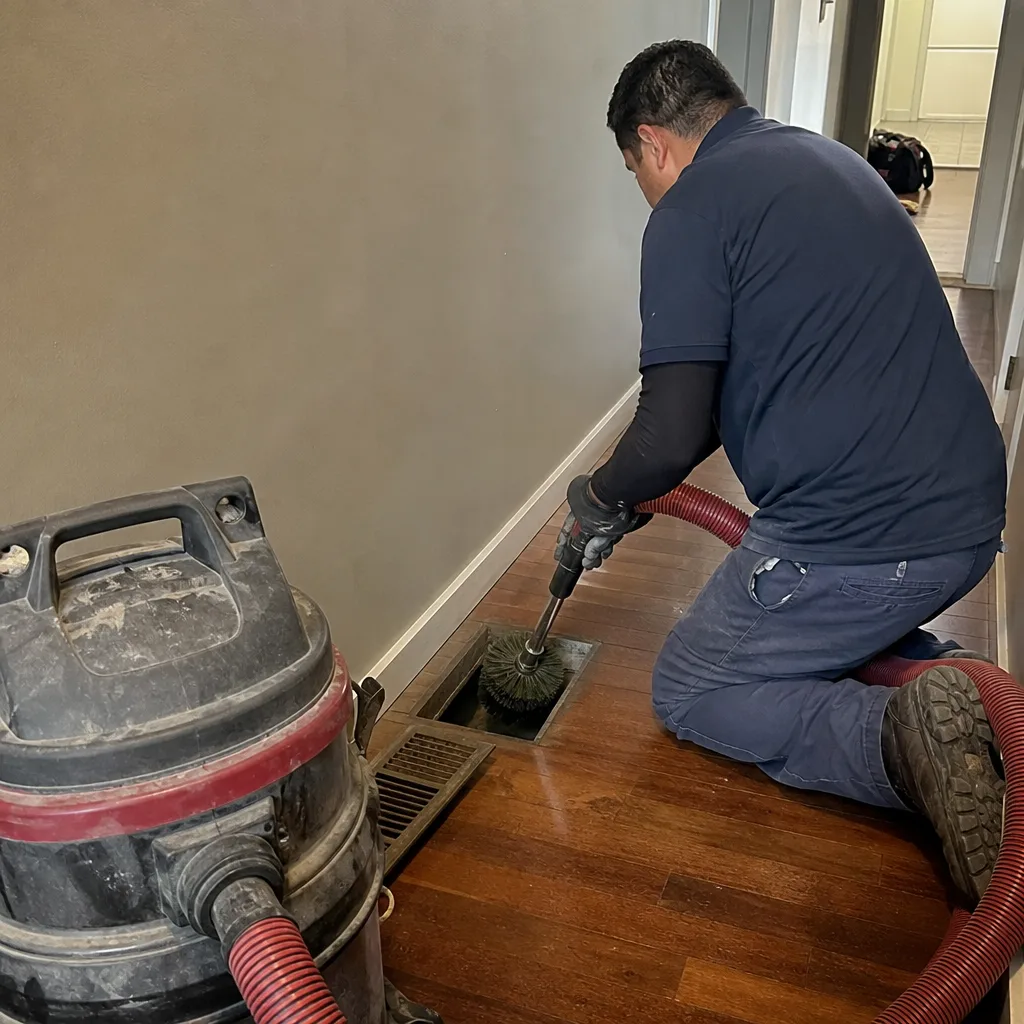
Last updated November 15, 2026
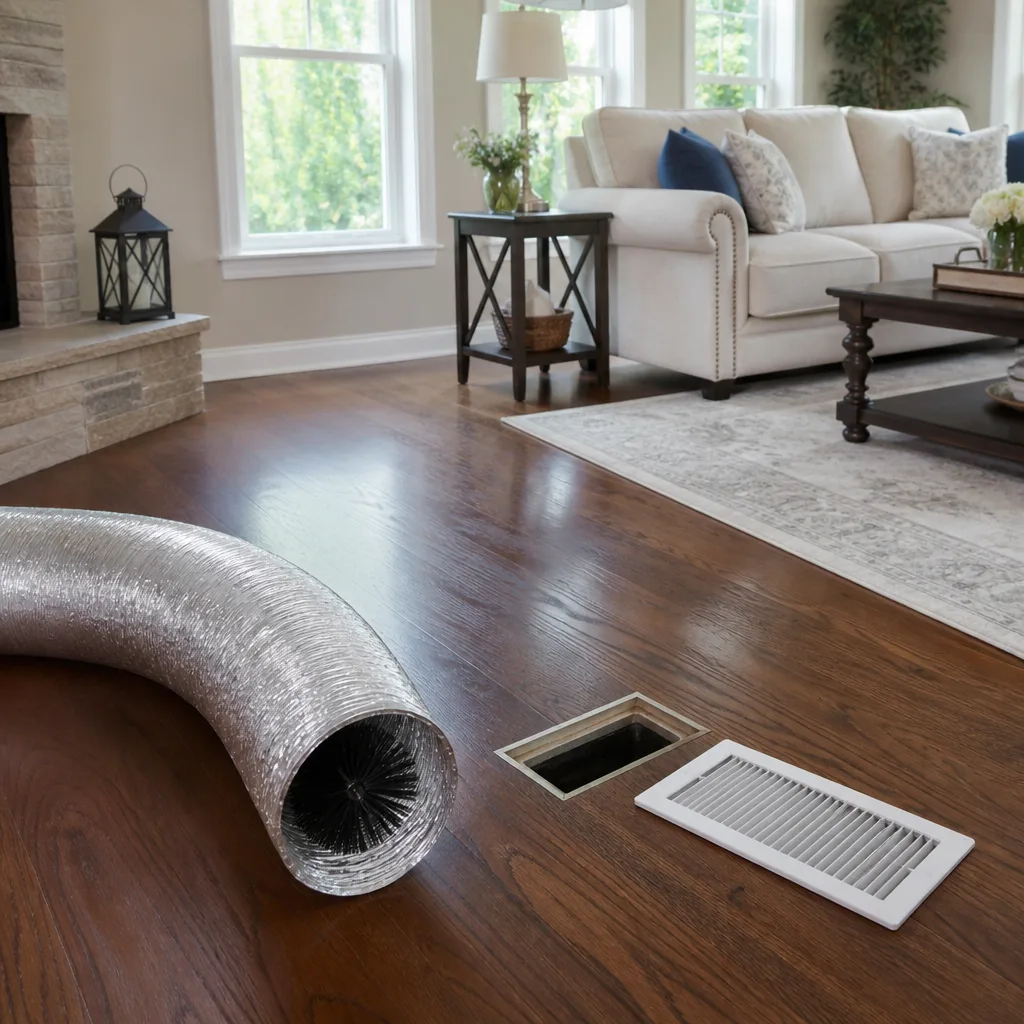 Whole-home duct cleaning
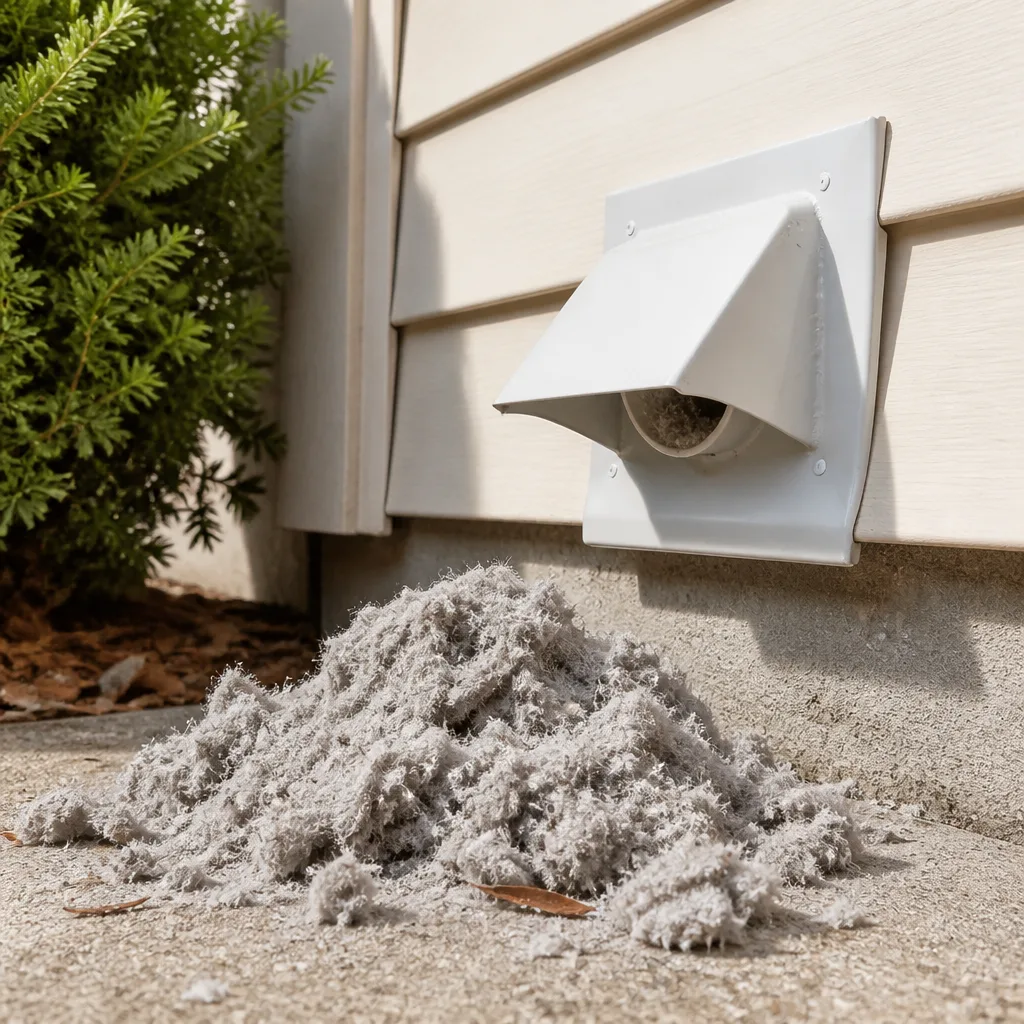 Dryer vent cleaning
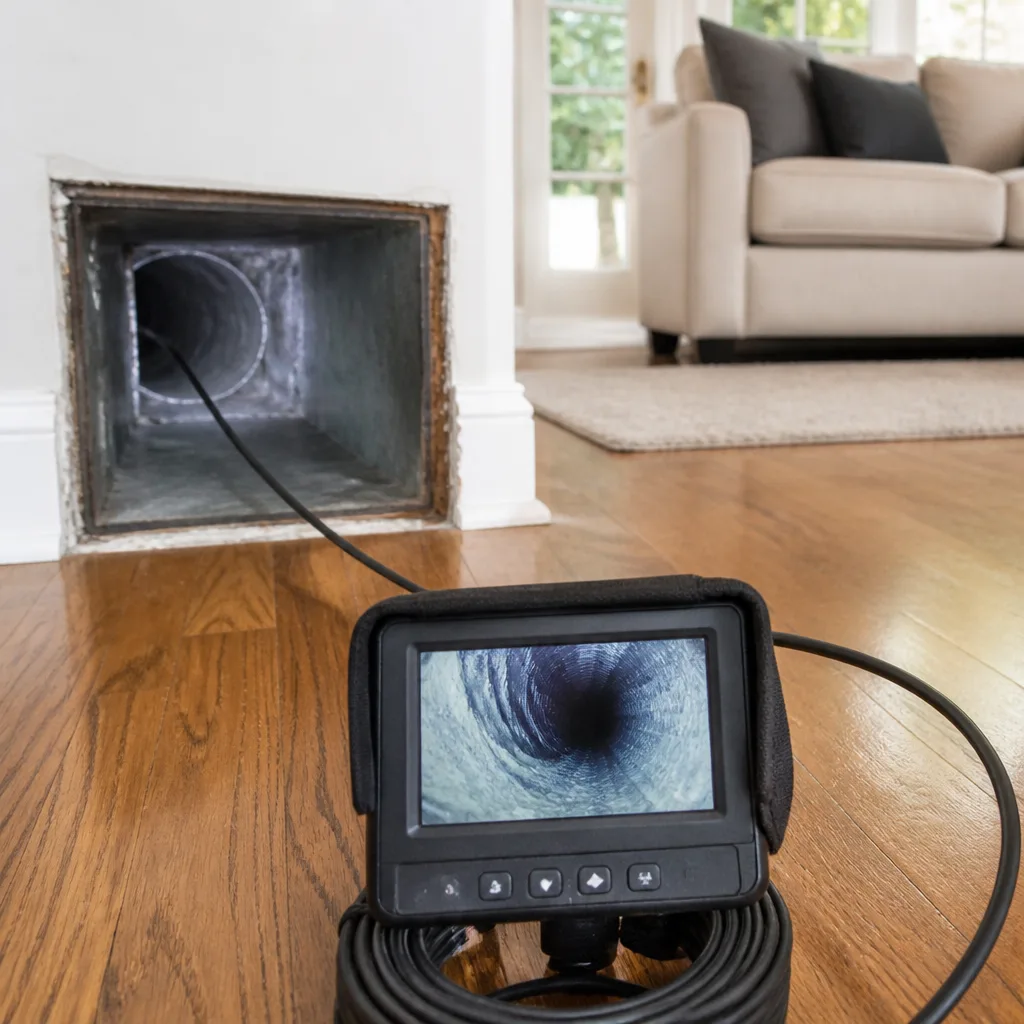 Camera inspection
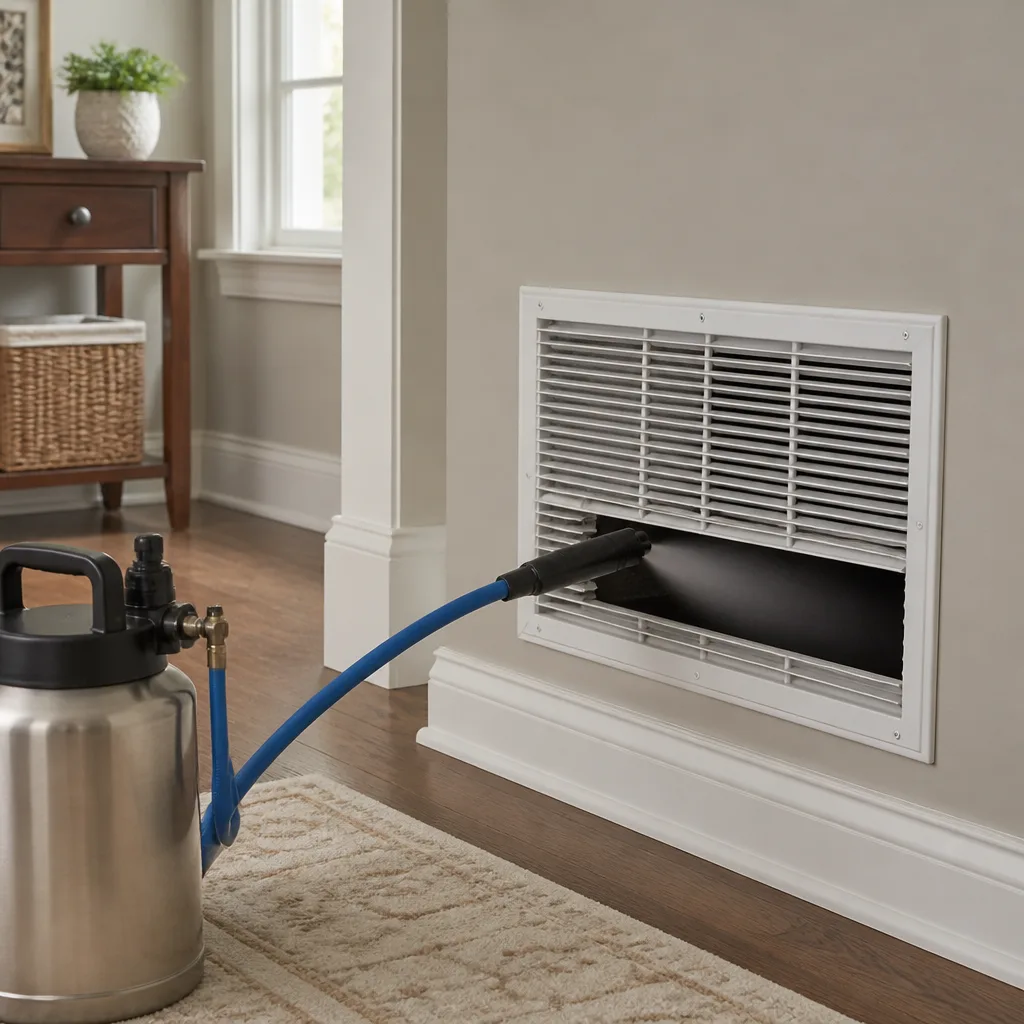 Sanitizing & deodorizing
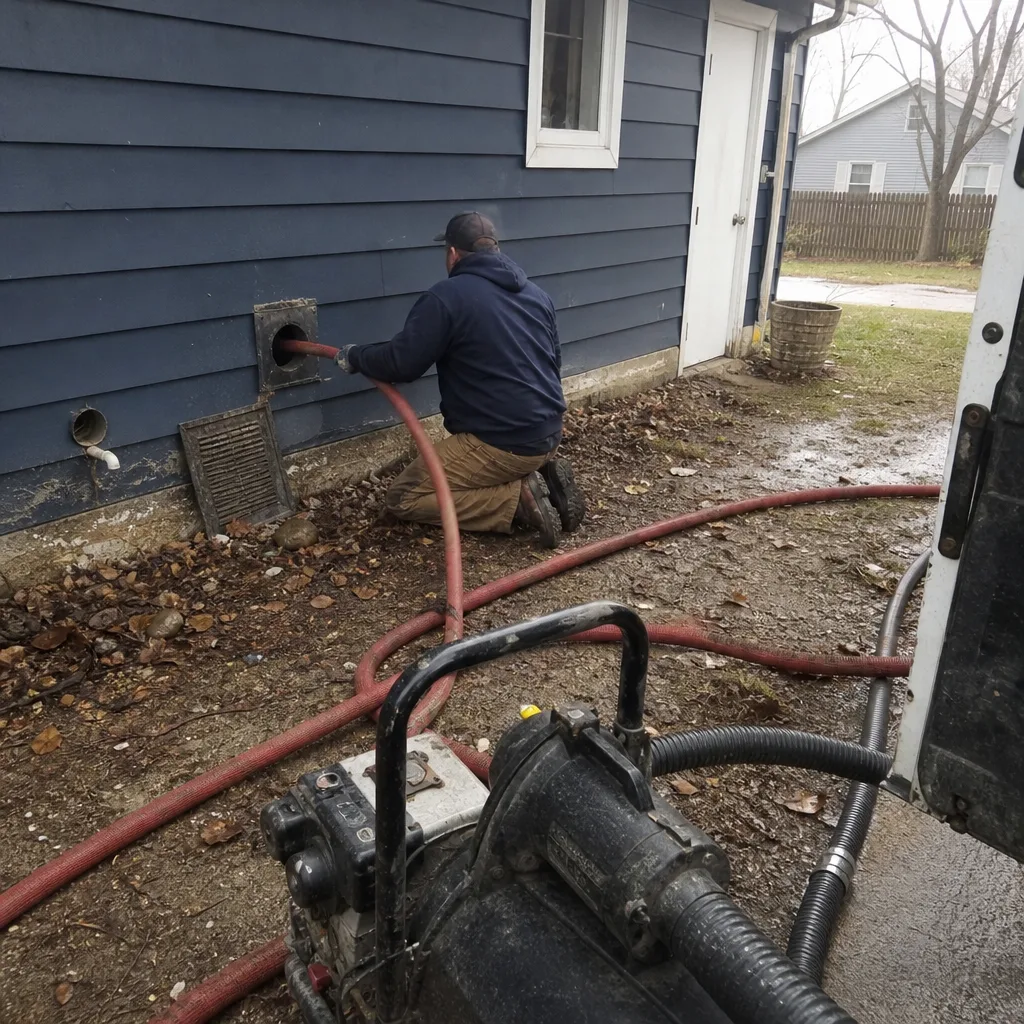
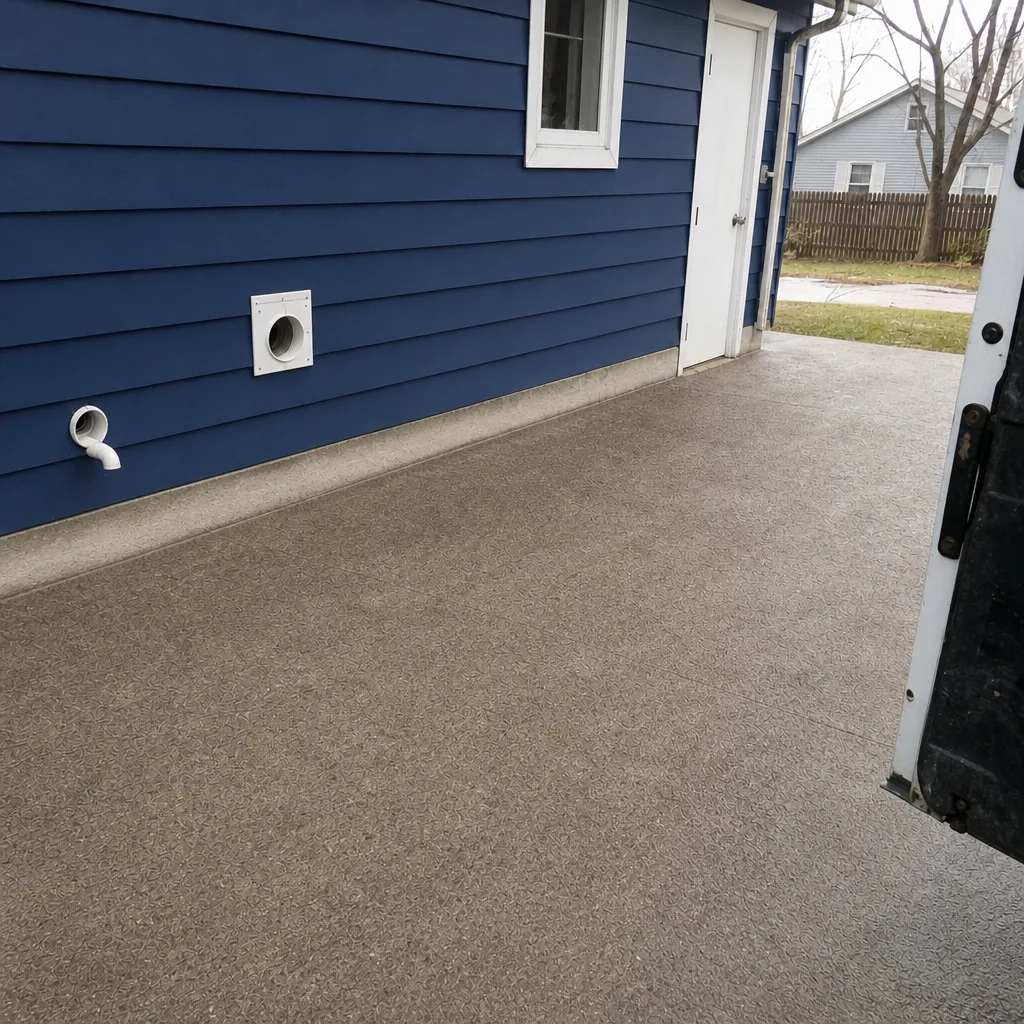
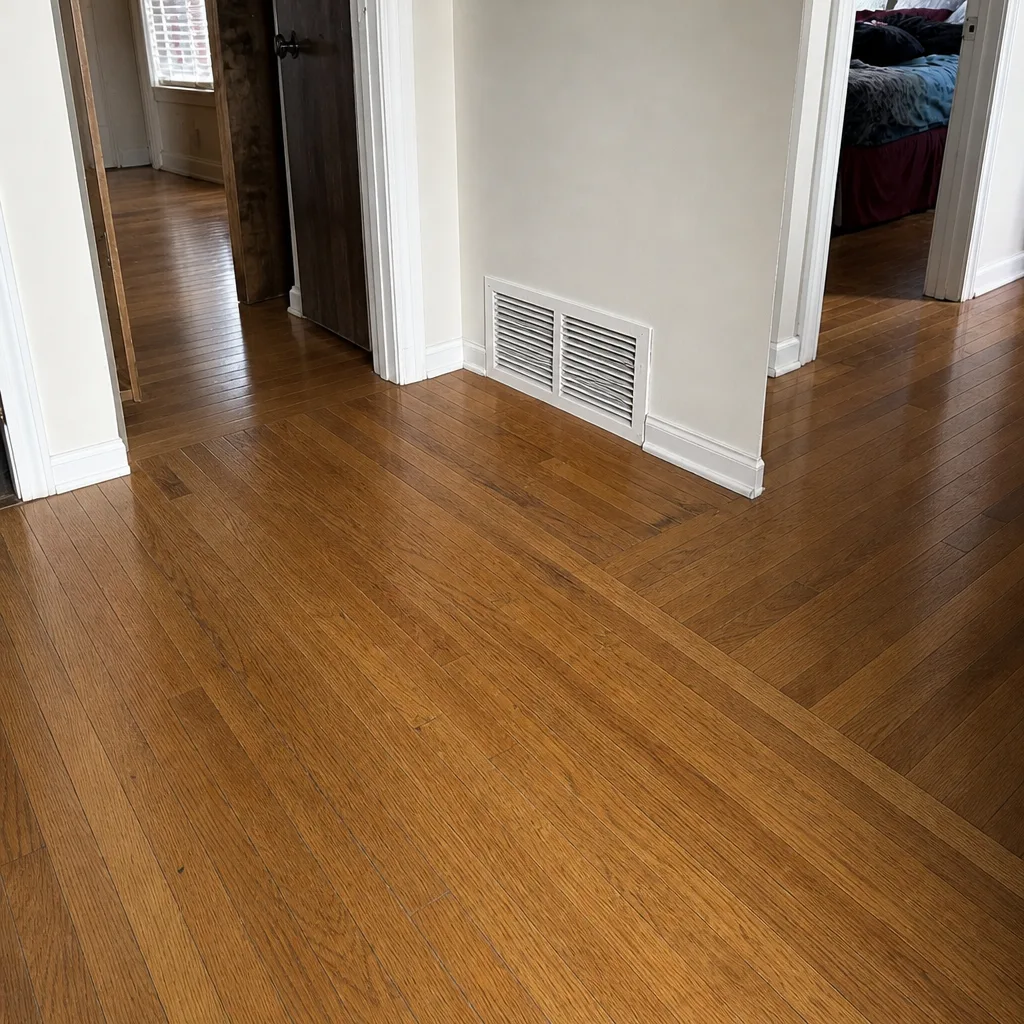
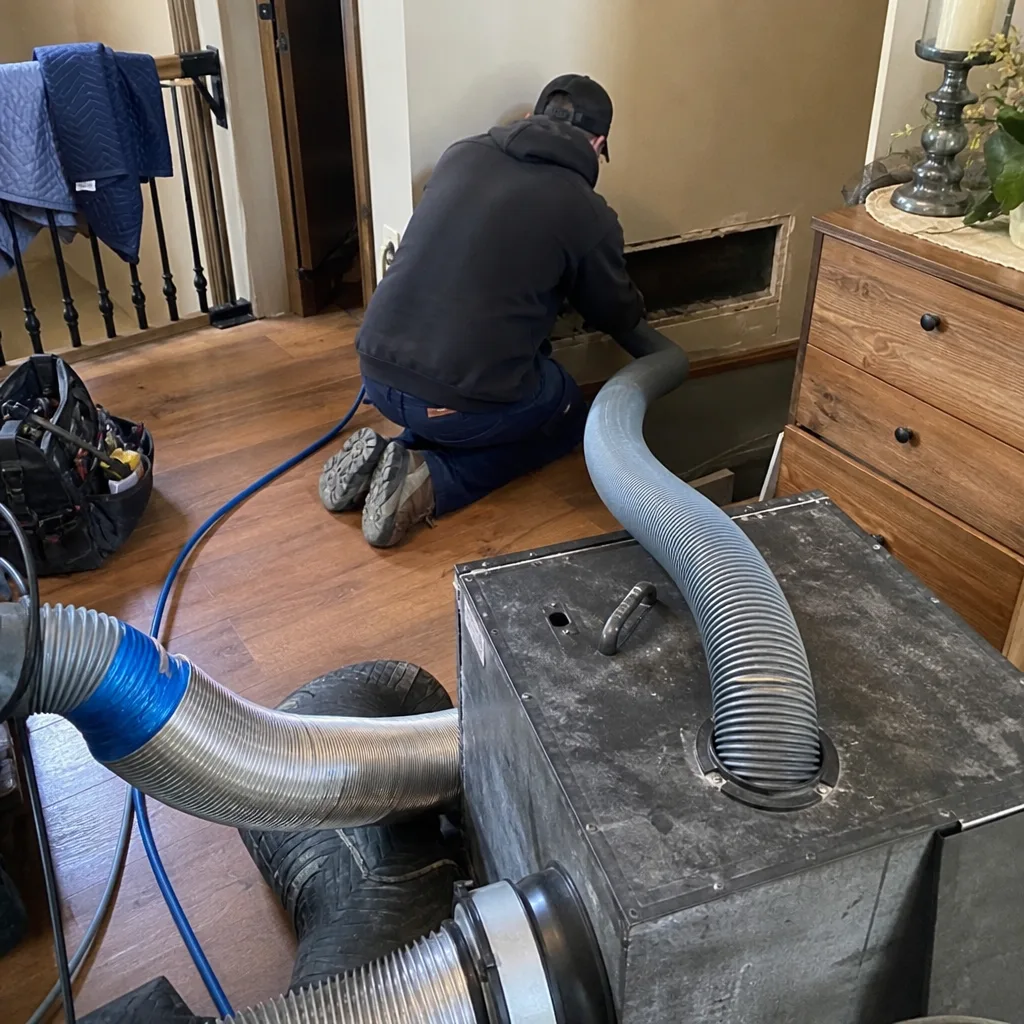
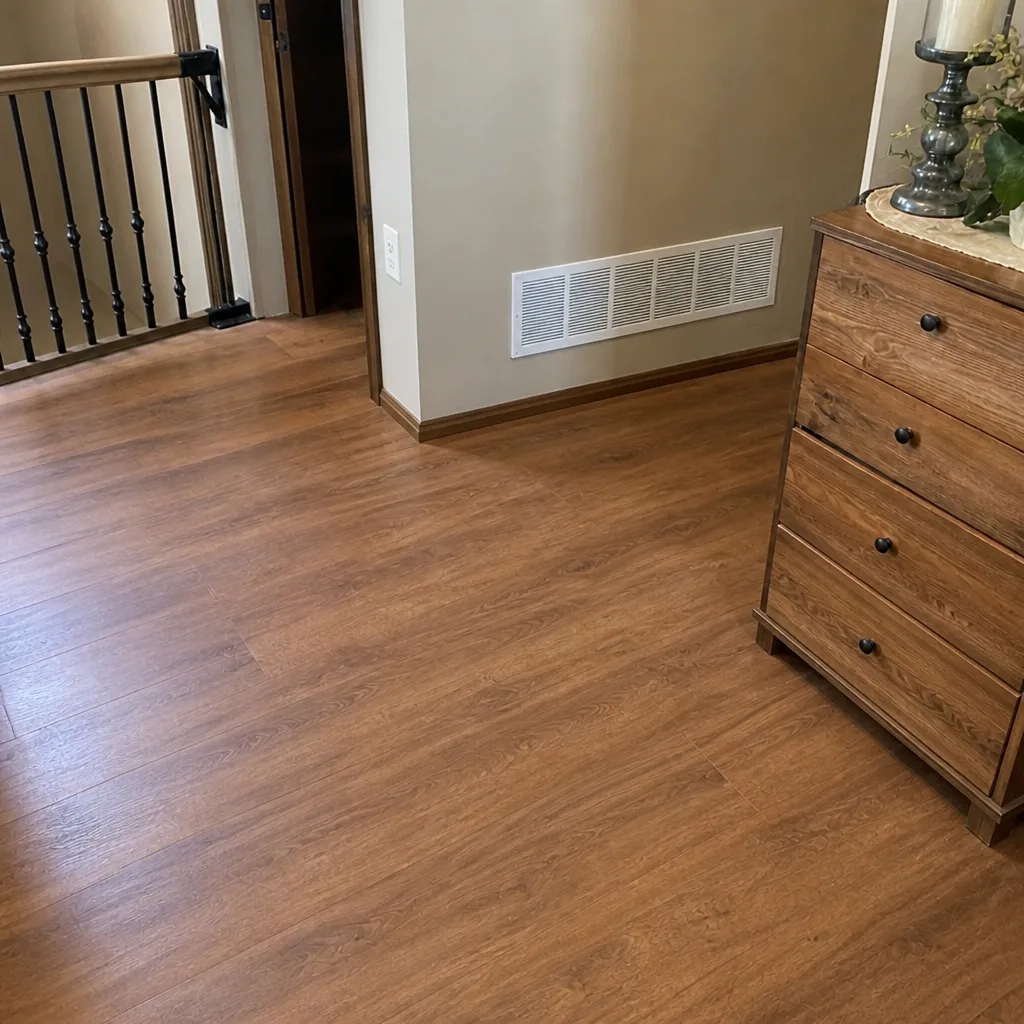
Whole-system duct and dryer vent check with before-and-after photos - you see exactly what came out of your vents
That "$99 whole-house special" is a bait ad - the real number appears once they are in your hallway, or the "clean" is a shop-vac at the register. We photograph the inside of your ducts before and after instead.
Air Duct Cleaning Warning Signs: An Aurora Homeowner’s Reference Guide
Dust blowing from your vents isn’t a warning sign. It’s confirmation that the problem has already been developing for months. The real warning signs happen long before anything is visible, and they’re quiet: a bedroom that never quite warms up, a filter that clogs too fast, a faint smell that only shows up when the furnace kicks on. Most Aurora homeowners notice these things and file them under “house stuff” until something bigger breaks.
This guide is built to change that. We’ll walk through the seven indicators that actually matter, how to tell a dirty-duct symptom from a duct-damage or equipment symptom, the Aurora-specific factors that speed up deterioration, and a simple triage protocol you can run before you call anyone.
Quick Answer
The most reliable air duct warning signs in an Aurora home are uneven room temperatures, filters that load up faster than they used to, allergy symptoms that flare indoors, a musty odor that appears only when the system runs, rising utility bills with no change in usage, audible airflow turbulence at registers, and visible condensation on duct surfaces. Visible dust at a vent is usually the last sign, not the first. Any two or more of these together are worth a professional inspection.
Styles & brands we work with
- Whole-home duct cleaning
- Dryer vent cleaning
- Camera inspection
- Sanitizing & deodorizing
Table of Contents
- The Seven Warning Signs Most Homeowners Miss
- Dirty Ducts vs. Duct Damage vs. Equipment Failure
- Aurora Risk Factors That Speed Up Duct Deterioration
- What a Musty Smell at Startup Really Tells You
- A Self-Triage Protocol for Aurora Homeowners
- Why Northern Illinois Heating and Cooling Seasons Matter
- Common Mistakes to Avoid
- When to Call a Professional
The Seven Warning Signs Most Homeowners Miss
These are the indicators we look for during an inspection in Aurora. They show up weeks or months before anything visible appears at a register. None of them alone proves a duct problem, but a pattern of two or more is a strong signal that the system deserves a look.
- Uneven room temperatures. A second-floor bedroom or a finished basement that runs a few degrees off from the rest of the house usually points to restricted airflow, disconnected duct runs, or poorly sealed joints. If you’ve adjusted dampers and it still won’t balance, the problem is inside the system.
- Filter loading speed. If your filter used to last three months and now it’s gray and loaded at four weeks, something is releasing more particulate into the return. That’s often a sign of accumulated debris being pulled back into circulation.
- Unexplained allergy flares. Symptoms that get worse indoors and improve when you’re away from home for a few days are worth noting. We don’t make health claims, but the correlation is one of the reasons people call us for air duct cleaning.
- Musty odor only when the system runs. A smell that appears minutes after the furnace or AC kicks on, then fades, tells you the source is in the airstream, not the air in the room.
- Rising utility bills without a usage change. A blower working harder to push air through a restricted system draws more power. If your habits haven’t changed and the bill has, look at airflow before anything else.
- Audible airflow turbulence. Whistling, rattling, or a whooshing sound at certain registers can indicate a loose joint, a collapsed section of flex duct, or an undersized return. Sound is airflow finding a new path.
- Visible duct sweating. Condensation on duct surfaces in a basement or crawlspace points to an insulation or vapor barrier issue that a cleaning alone won’t solve.
If any of these sound familiar, the next step is understanding which problem you’re actually looking at.
Dirty Ducts vs. Duct Damage vs. Equipment Failure
Here’s what separates a real diagnosis from a guess: the same symptom can come from three different root causes, and each one needs a different solution. Uneven heating in a bedroom could be dirty ducts restricting flow, a disconnected duct run dumping air into a wall cavity, or a failing blower. Cleaning fixes the first. Only air duct repair fixes the second. The third isn’t a duct problem at all.
We see this distinction scuffed all the time. A homeowner calls for a cleaning, the technician spends two hours on the system, and the cold bedroom is still cold because the real issue was a crushed flex run under a finished basement floor. That’s why a proper inspection comes first.
How to tell the three apart
- Dirty ducts usually show symptoms evenly across the house: general dust, a musty smell everywhere, filters loading fast. Airflow is reduced but not sharply localized.
- Duct damage usually shows up in one zone. A single room that’s off, a whistling register, a section of flex duct that’s come apart at a joint, or a run that was crushed during a renovation. The rest of the house is fine.
- Equipment failure shows up as a system-wide problem: the blower isn’t moving air at all, the AC isn’t cooling, the furnace short-cycles. Cleaning won’t touch it.
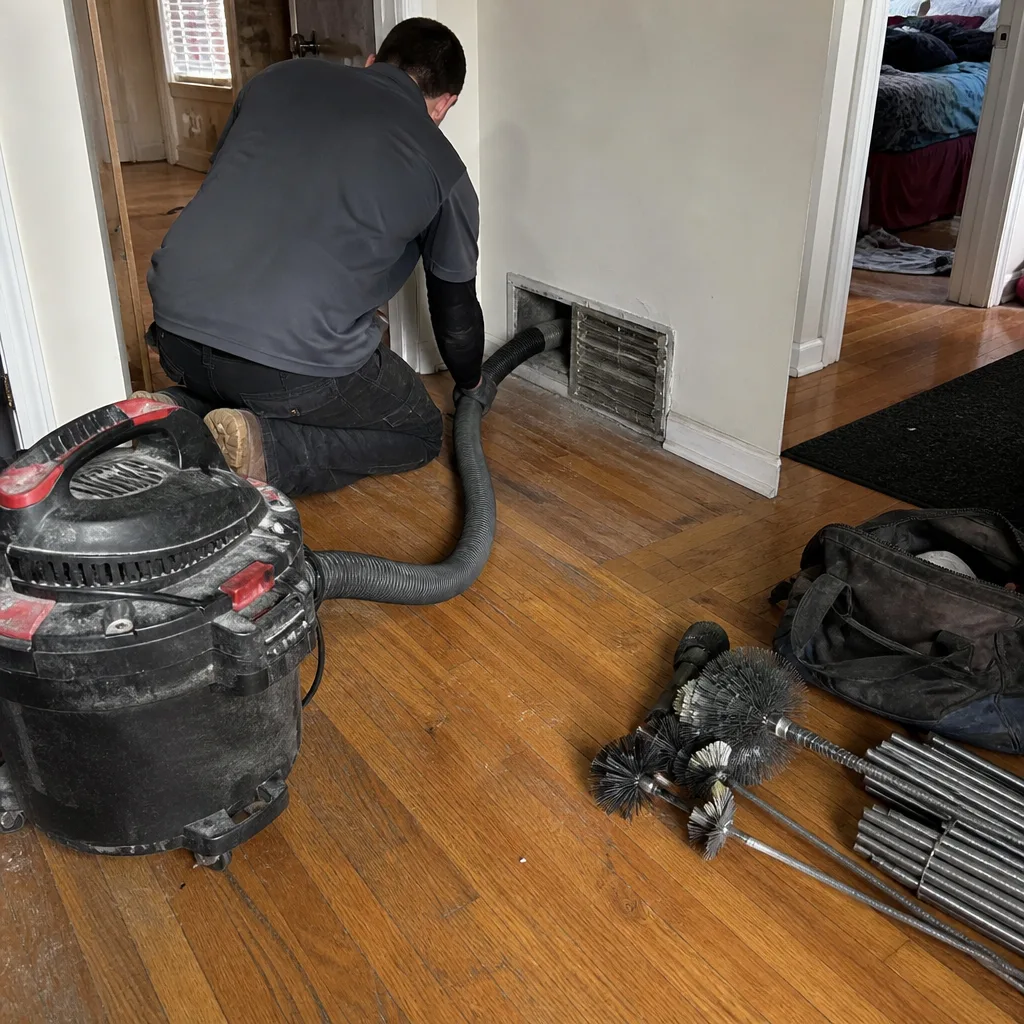
When we inspect a system, we use professional-grade equipment from Rotobrush and Nikro to see into the ductwork and document what’s there. If we find damage, we can fix it in the same relationship rather than sending you to a second contractor. That’s the practical difference between a clean-and-go service and a full-scope one.
Aurora Risk Factors That Speed Up Duct Deterioration
Not every house ages its ductwork the same way. In Aurora, we see three building patterns that show up again and again. If you live in any of these, treat the warning signs above with more urgency.
Older homes with original flex duct
A lot of Aurora homes built in the 1970s through 1990s were run with flexible duct, and much of it is still in place. Flex duct sags, collects dust at the low points, and the plastic inner liner degrades over time. The older the run, the more surface area there is for debris to cling to. In homes with original flex runs, a cleaning is often also a chance to identify where the liner has started to tear or separate.
Finished basements with poorly supported runs
When a basement gets finished, the duct runs above the ceiling often get reworked in a hurry. Runs get hung from a single strap, kinked around a beam, or squeezed between joists. Those runs move less air than they should, and they collect dust where the air slows down. If your finished basement has always run a couple degrees cold, the duct run above the ceiling is a strong place to look.
Homes with crawlspace HVAC returns
A crawlspace return pulls air from a space that’s often damp, dusty, and full of construction debris. Anything in the crawlspace can end up in the return air. Homes with this setup are the ones most likely to show the musty smell and the fast-loading filter. If you have a crawlspace return, it’s worth a specific look during inspection.
Renovation debris
Drywall dust, insulation fibers, and sawdust from a kitchen or bath remodel work their way into the return system through the open air of the house. That’s the environment where a higher-capability filtration setup matters, and it’s one reason we keep Abatement Technologies equipment on hand for post-construction and high-particulate jobs.
What a Musty Smell at Startup Really Tells You
A musty odor that only appears when the system runs is one of the most diagnostic signs a homeowner can report. It narrows the source to the airstream. But “musty smell” can come from three very different places, and each has a different fix.
Dust burn-off
When a furnace sits unused for months, dust settles on the heat exchanger. On the first few calls of the season, that dust burns off and produces a faint, hot smell that fades within minutes. This is normal and usually resolves itself after a few cycles. If the smell only shows up on the first cold snap and never returns, dust burn-off is the likely explanation.
Microbial growth on the evaporator coil
An AC coil that stays wet during the cooling season is a surface where microbial growth can develop. The smell shows up when the AC runs and usually fades when it doesn’t. Cleaning the ducts alone won’t fix this, because the source is on the coil, not in the duct. This distinction is why we ask so carefully about when the smell appears.
Growth inside duct liner material
Some duct systems are lined with an internal fibrous material. When moisture gets into that liner, it stays wet, and the smell becomes persistent and system-wide. This is the case where a cleaning has to be paired with a proper assessment of the liner itself. In our experience, this is the pattern most likely to have been missed by a previous low-bid service that only vacuumed the visible vents.
If you’re smelling something musty and you can’t tell which of the three it is, that alone is worth a professional look. We answer 24/7 at (888) 364-6081, and fast dispatch from 7am to 7pm runs Sunday through Friday.
A Self-Triage Protocol for Aurora Homeowners
Before you call anyone, you can sort what you’re observing into three rough categories. This isn’t a substitute for a professional inspection, but it helps you make a better call and describe your situation clearly.
- Write it down for two weeks. Note which rooms are off, how often the filter loads, when the smell appears, and whether the pattern is worse on heating or cooling days. Patterns teach more than any single observation.
- Check the basics. Confirm the filter is the right size and seated correctly. Make sure the return registers aren’t blocked by furniture. Look at the visible duct connections you can safely see from the outside of the system (don’t open panels, don’t reach into ductwork).
- Compare to last year. Was this room always cold? Did the filter always load this fast? If the answer is no, the change is your signal.
- Categorize the urgency. See the table below.
Urgency categories
- Monitor: One mild symptom, new within the last month, no health complaints. Keep the log for another 30 days and check again.
- Schedule an inspection: Two or more symptoms together, or any symptom that’s been present for months. Book a professional inspection in the next few weeks.
- Call now: Visible moisture or condensation inside ductwork you can see, sudden airflow loss across the whole house, a smell that’s escalated significantly, or a dryer vent that hasn’t been cleaned when there are signs of lint buildup. These are safety-adjacent situations that shouldn’t wait.
That last category overlaps with dryer vent cleaning, which we treat as a safety service rather than a comfort one. Lint-clogged vents are an NFPA-documented fire risk, and the signs (a dryer that takes two cycles, a hot dryer top, a lint screen that isn’t catching what it used to) are easy to check on your own.
Why Northern Illinois Heating and Cooling Seasons Matter
The Aurora climate works duct systems harder than it looks on paper. Winters here are long and cold, which means the furnace runs for months on end, moving air through the ducts continuously. A system that runs from late fall through early spring has more total air-hours through it than a system in a milder climate, and every hour is another chance for a joint to loosen or a run to sag under the weight of accumulated dust.
Summers are humid enough that AC coils stay wet for weeks. That’s the environment where microbial growth on the coil develops. It’s the same reason the crawlspace return issue matters more here than in dry climates: a damp crawlspace combined with a wet coil season and a long heating season gives the system every advantage it needs to hold on to moisture and particulate.
Spring and fall are what we call swing seasons, when the system runs on partly warm afternoons and cool evenings. Those transitions stress the duct connections as the metal and flex materials expand and contract. If you notice a new whistle or rattle in April or October, that’s often why.
Common Mistakes to Avoid
- Assuming dust at the vent is the first sign. It’s usually a sign the problem has been developing for months. The earlier indicators are the ones in the seven-signs list above.
- Booking the lowest advertised price without asking what it covers. The classic pattern in this trade is a teaser price that applies only to the visible vents, then an upsell once the technician is on site. Ask up front whether the quote covers the whole system, what equipment is used, and whether a written estimate is provided before work starts.
- Skipping the inspection on a repair call. If a technician fixes a broken duct without cleaning the system, the dust that caused the problem is still in the airstream. Repair and cleaning belong together.
- Treating a musty smell with a filter upgrade. A better filter can help, but it doesn’t fix a wet coil or a saturated duct liner. The smell is telling you to look at the source.
- Ignoring the dryer vent because the dryer “still works.” A dryer that takes longer to dry or runs hot is telling you the vent is restricted. That’s the safety signal, not the dryer’s efficiency.
- Assuming a cold room means a cleaning is needed. It might mean a crushed duct, a disconnected run, or a blower issue. A cleaning before a proper diagnosis can miss the actual problem.
- Hiring two contractors for one problem. If the duct cleaner finds damage and refers you out, the cleaning and the repair end up in different hands with different standards. We offer air duct repair alongside cleaning so the whole problem gets solved in one relationship.
When to Call a Professional
Call a professional if you’ve noticed two or more of the seven warning signs, if any single symptom has been present for months rather than weeks, if you smell something musty that only appears when the system runs, or if condensation is visible on duct surfaces. Also call if you’ve recently finished a renovation and the return system picked up drywall dust. And call if you have a crawlspace return and haven’t had the system inspected since you moved in.
Aurora Duct Cleaning offers free estimates in Aurora. We don’t quote per vent, we don’t run a teaser price, and we set one flat price per system by written estimate before any work starts. You see before-and-after photos of your own ducts. Call (888) 364-6081. We answer 24/7. Fast dispatch from 7am to 7pm, Sunday through Friday.
If you want to start with the basics of what a proper clean involves, our guide to Aurora Duct Cleaning explains the full process, and our air duct cleaning page covers the equipment and standards we work to.
See the difference
 Before
 After
 Before
 After
 Before
 After
Frequently Asked Questions
You need cleaning if you have a pattern of symptoms: fast-loading filters, a musty smell at startup, uneven temperatures that you’ve already tried to balance, or visible debris at a vent. You don’t automatically need cleaning just because a few years have passed. A professional inspection should be able to show you what’s in the ductwork before any work is quoted. Call (888) 364-6081 for a free estimate – you’ll get a written price before anything starts.
Because they often cover less. The low advertised price frequently applies to visible vents only, with the rest billed as an upsell once the technician is on site. Cheap quotes sometimes also reflect consumer-grade vacuums rather than professional duct cleaning systems. Ask what equipment is used, whether the quote covers the whole system, and whether you’ll get a written price before work begins. We set one flat price per system by written estimate so the number you hear is the number you pay.
There’s no single schedule that fits every home. Most homes go several years between cleanings; homes with pets, recent renovations, heavy allergy sufferers, or crawlspace returns tend to need it more often. The warning signs matter more than the calendar. If you’re seeing two or more of the indicators, that’s the trigger. Call (888) 364-6081 to talk through what you’re noticing.
Ask for before-and-after photos of your own ducts, not stock images. A professional service will also let you watch the process and won’t object to you looking inside a register before and after. We photograph the actual ductwork we work on. Call (888) 364-6081 for a free estimate and we’ll walk you through exactly what the inspection turned up.
We don’t make health claims, and you should be skeptical of anyone who does. What we can say is that duct systems move air through every room every day, and a system with accumulated dust, debris, or moisture holds particulate in the airstream. Whether that affects a specific person’s health is a question for their doctor. What we can address is the system itself.
Cleaning removes accumulated debris from a functioning system. Repair fixes physical problems like disconnected runs, crushed flex duct, or loose joints that cleaning can’t address. Most homes that need one benefit from the other being checked at the same time. We offer both, so you don’t need to hire a second contractor. Call (888) 364-6081 to schedule an inspection.
The Bottom Line
The lesson here is simple: visible dust is the last warning, not the first. Uneven temperatures, filters loading faster, a smell that only shows up when the system runs, rising bills without a usage change, audible turbulence, and condensation are the signals that arrive first. In Aurora, older flex duct, finished basements with squeezed runs, and crawlspace returns make those signals show up sooner.
Run the self-triage. Log the pattern for two weeks. If two or more signs stack up, get an inspection rather than a cleaning quote. One flat price per system, written before work starts, with before-and-after photos of your own ducts.
When you’re ready, call (888) 364-6081 for a free estimate. We answer 24/7. Fast dispatch from 7am to 7pm, Sunday through Friday.
Written by the team at Aurora Duct Cleaning.