
Last updated November 15, 2026
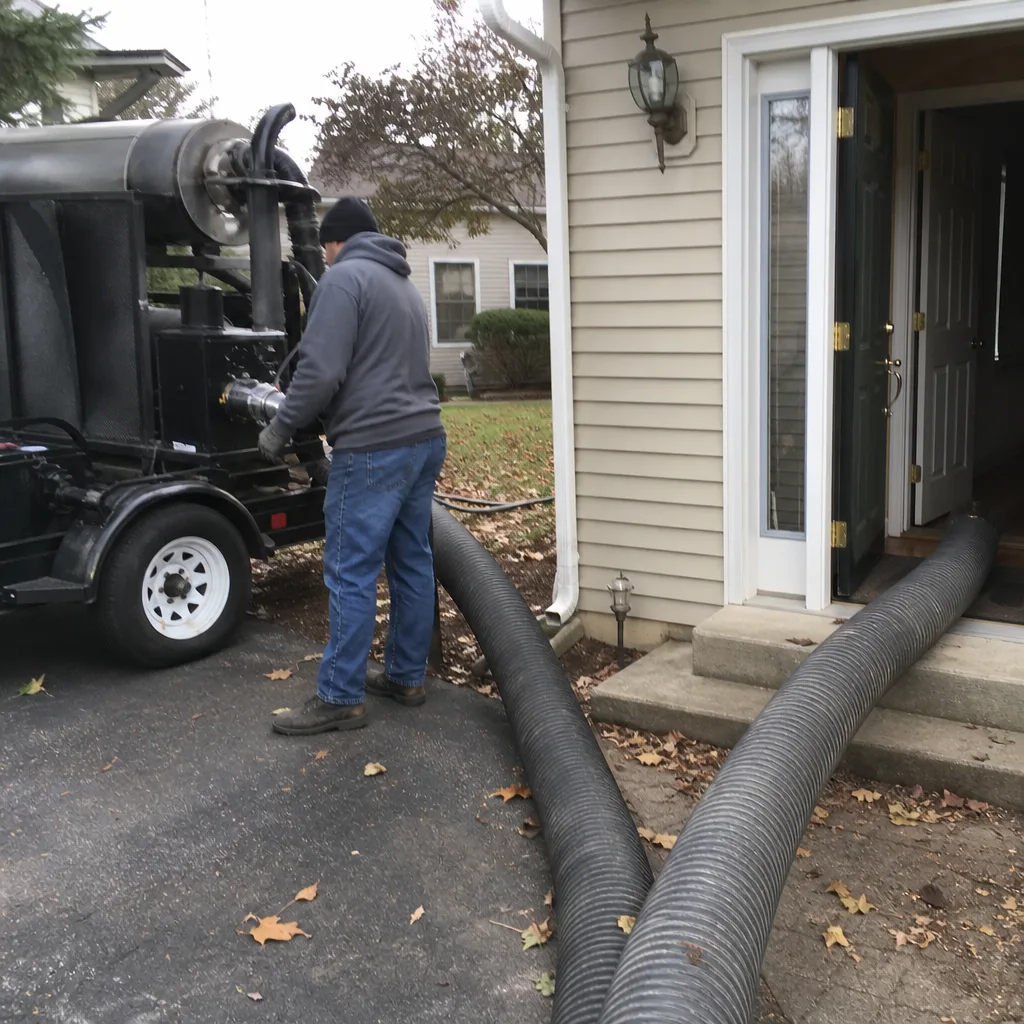
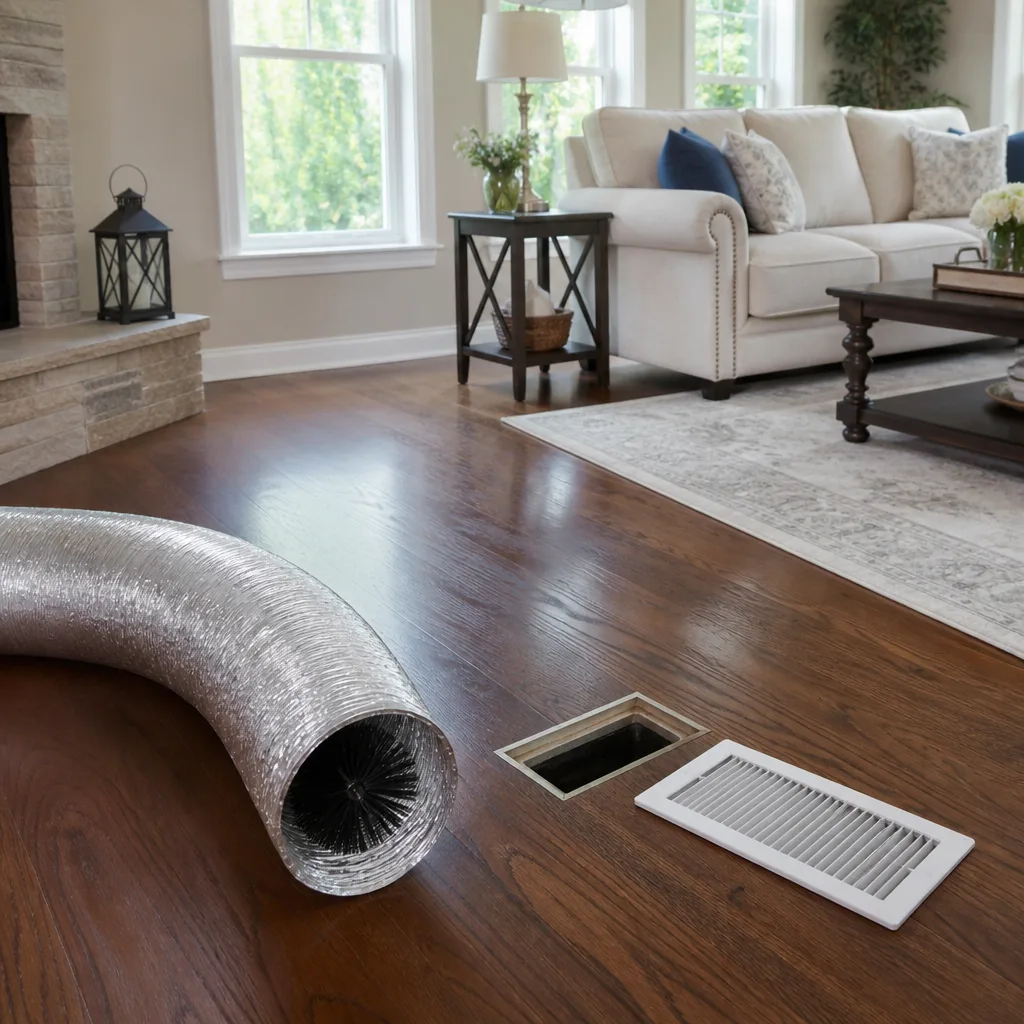 Whole-home duct cleaning
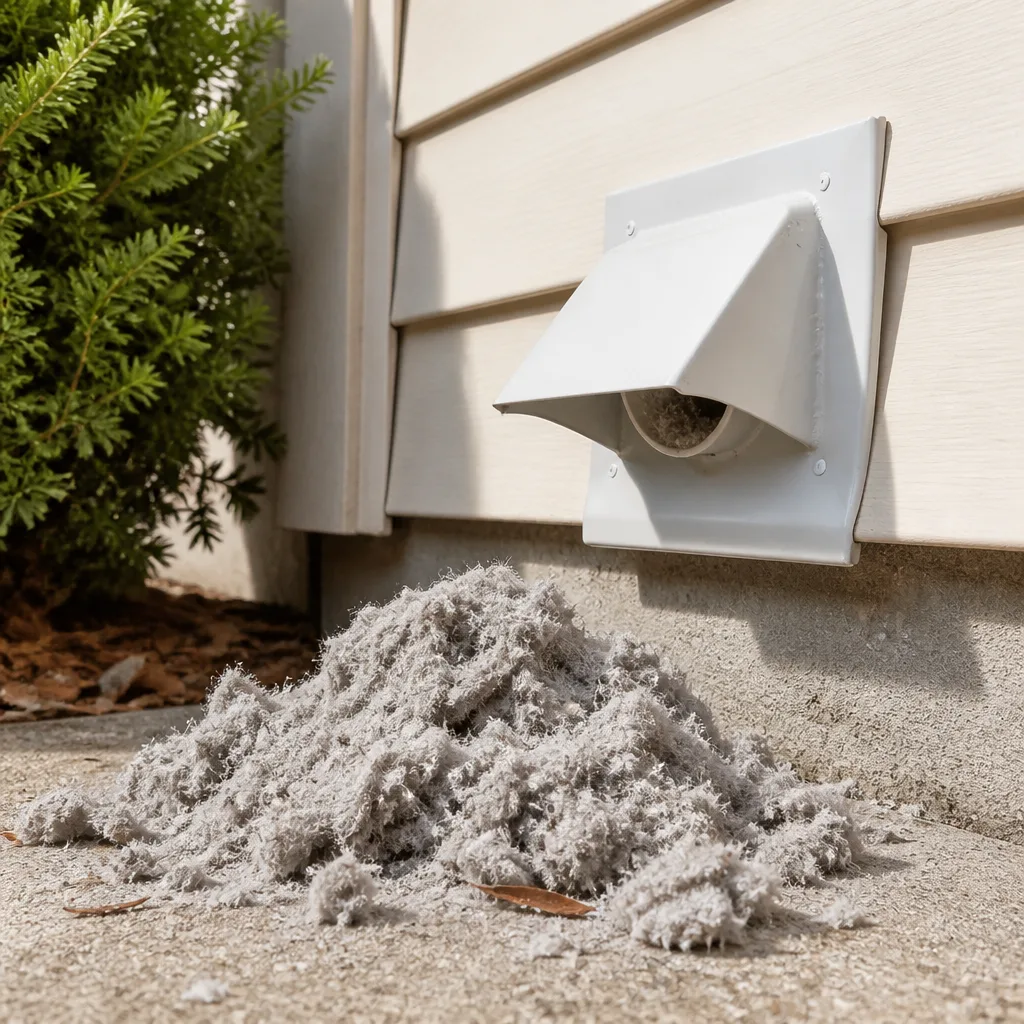 Dryer vent cleaning
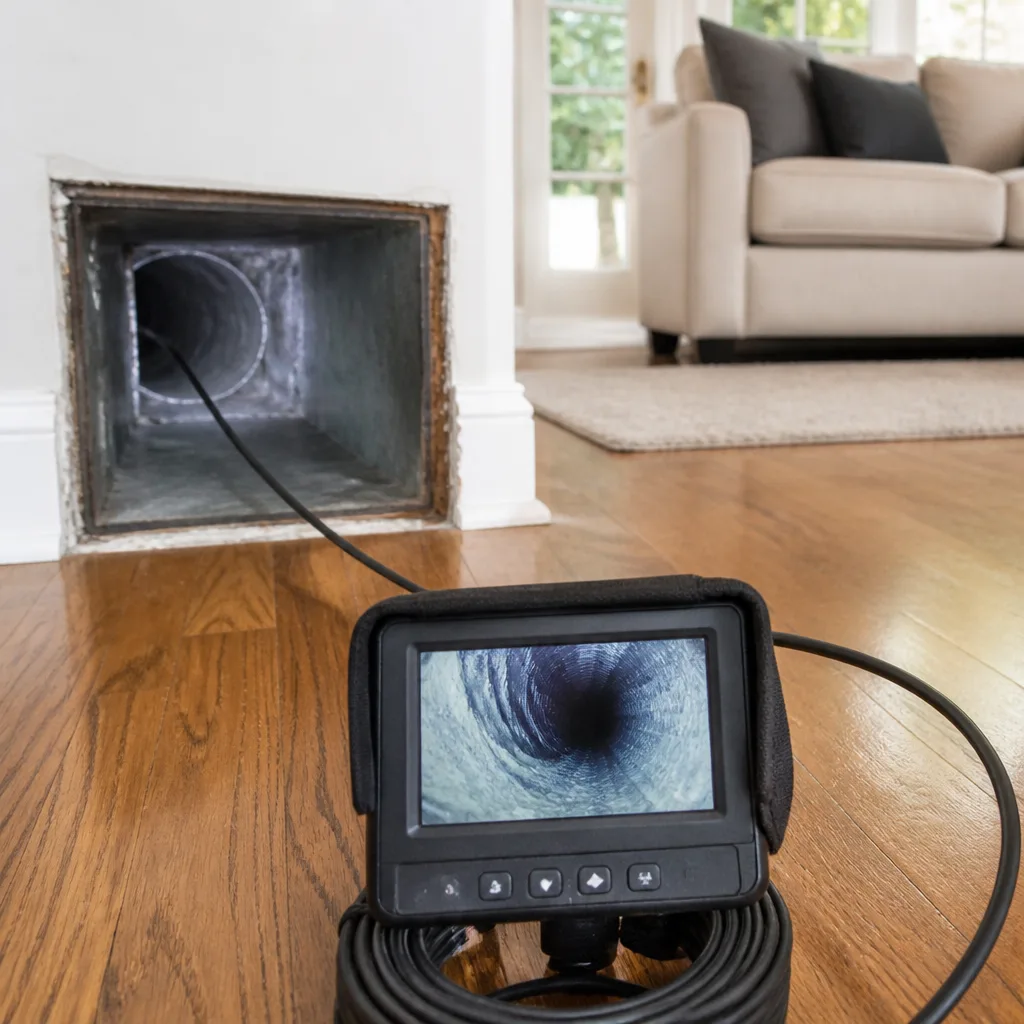 Camera inspection
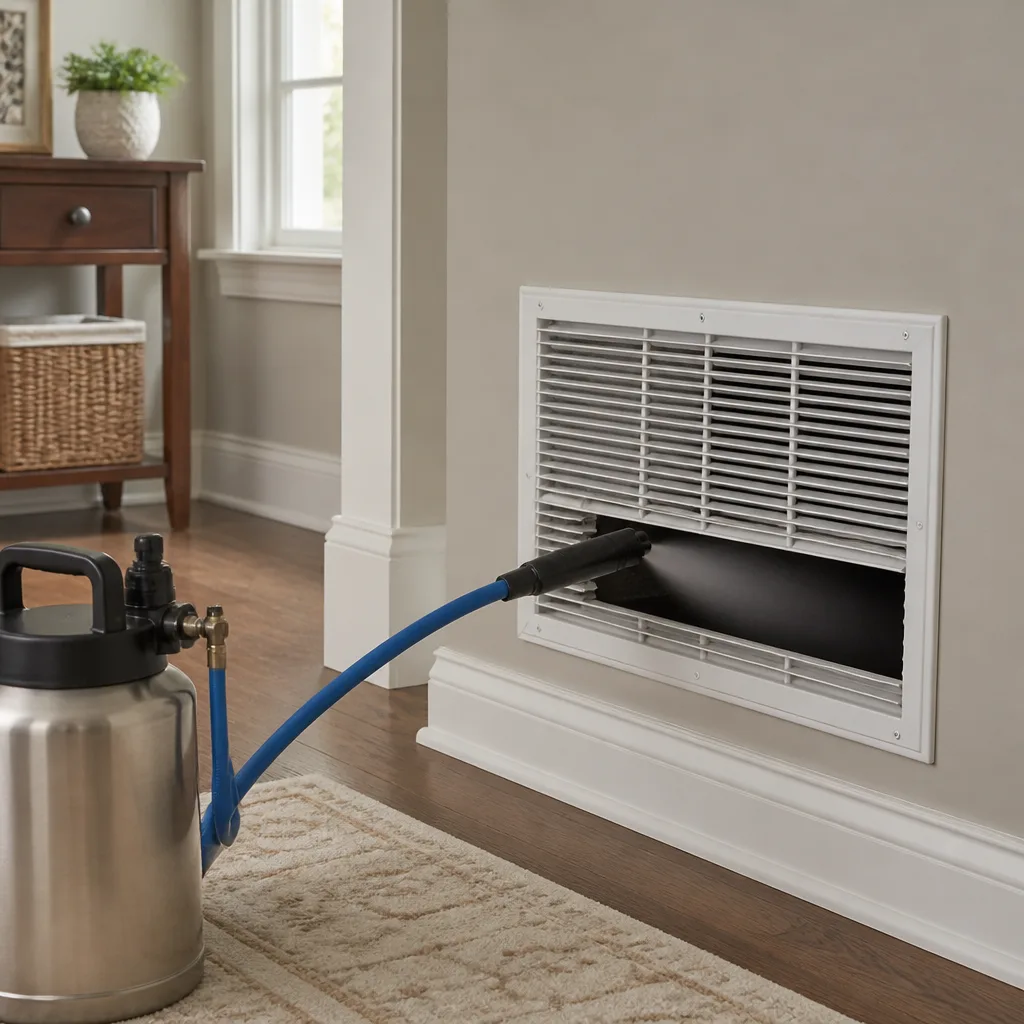 Sanitizing & deodorizing
Whole-system duct and dryer vent check with before-and-after photos - you see exactly what came out of your vents
That "$99 whole-house special" is a bait ad - the real number appears once they are in your hallway, or the "clean" is a shop-vac at the register. We photograph the inside of your ducts before and after instead.
Air Duct Cleaning Troubleshooting in Aurora: Common Problems and How to Fix Them
If your allergies spike only in certain rooms, your ducts aren’t just dirty. They’re telling you something specific about where the contamination lives and why. Most homeowners in Aurora assume a bad filter or an aging furnace is behind every stuffy room and musty hallway, but in our experience the clues usually sit inside the duct system itself. A single contaminated branch, a disconnected run behind a finished ceiling, a crushed flex line in a tight Bungalow crawlspace: each one produces its own pattern of symptoms. This guide teaches you to read those symptoms. You’ll learn to map which rooms misbehave, tell a dirty duct from a damaged one, and recognize when cleaning alone won’t solve the problem.
Quick Answer
Air duct problems in Aurora usually fall into four buckets: contamination (dust, debris, biological growth), physical damage (crushed, torn, or disconnected runs), airflow imbalance (blocked or undersized returns), and equipment issues at the air handler itself. You diagnose which one you’re dealing with by tracking symptoms room by room, by smell, and by season. Cleaning fixes contamination. Repair and sealing fix damage. If you skip the diagnosis, you can pay for a cleaning that never touches the actual cause.
Styles & brands we work with
- Whole-home duct cleaning
- Dryer vent cleaning
- Camera inspection
- Sanitizing & deodorizing
Table of Contents
- How to Map Your Symptoms Room by Room
- Dirty Duct vs. Damaged Duct: Why the Difference Matters
- What Musty, Burning, and No-Smell Problems Tell You
- Supply Ducts, Return Ducts, or the Air Handler: Locating the Source
- Localized Failures vs. System-Wide Issues
- When Repair or Sealing Has to Come Before Cleaning
- How Aurora’s Climate and Housing Shape Duct Problems
- Common Mistakes to Avoid
How to Map Your Symptoms Room by Room
Duct problems rarely hit every room equally. A whole-house contamination issue tends to show up as a general stuffiness, but a localized duct failure leaves a trail of clues pointing to one zone. The way to find that trail is to keep a simple room-by-room log for a week or two. Note which rooms feel stuffy, which ones have visible dust settling faster than others, and which ones trigger allergy symptoms at specific times of day.
Here’s the process we recommend to any Aurora homeowner who suspects duct trouble:
- List every room served by your system, including hallways, closets with registers, and finished basements.
- Check each register for airflow strength. Hold a thin tissue near the grille. Weak flow on one branch points to a blockage or a crushed or disconnected run behind the wall.
- Note dust patterns. Registers that collect dust faster than neighbors usually sit at the end of a branch that’s shedding debris or pulling from a dirty return.
- Track symptoms by season. Spring and summer spikes point to pollen or humidity-driven growth. Winter spikes often point to a dryer system and more airborne dust circulating.
- Compare rooms sharing the same trunk line. If a whole cluster of rooms shows the same symptom, the problem sits upstream of the branch that feeds them.
Aurora homes vary wildly by neighborhood. The tighter, older housing stock in areas near downtown Aurora often has shorter duct runs with more turns, which makes airflow problems show up fast in the rooms farthest from the furnace. Newer construction in the city’s western subdivisions tends to run longer flex lines through attics, where a single crushed section can kill airflow to an entire wing. Reading your rooms is the first diagnostic step, and it costs nothing. Our technicians have up to 10 years of experience doing exactly this kind of mapping on arrival, and it’s the part of the job most homeowners skip.
Dirty Duct vs. Damaged Duct: Why the Difference Matters
This is the single most common misdiagnosis we run into. Homeowners call for an air duct cleaning expecting a dirty system. Sometimes they’re right. But often the ducts are reasonably clean and the real problem is a torn flex run, a collapsed section, or a junction box that’s come loose. Cleaning a damaged duct doesn’t fix it. In fact, it can make the symptoms worse, because agitation pushes debris through the gap into a wall cavity or crawlspace.
Here’s how to think about the difference:
- Dirty ducts produce a consistent layer of dust and debris across the system. Airflow stays roughly even. Dust settles at the same rate everywhere. Cleaning resolves it.
- Damaged ducts produce uneven symptoms. One room is dusty while the next is clean. Airflow drops on a specific branch. You may hear rattling, whistling, or a fluttering sound at one register.
- Torn or disconnected dueling runs often pull air from unintended spaces: attics, crawlspaces, wall cavities, garages. That air is unfiltered and can carry insulation fibers, soil, or moisture.
- Collapsed flex lines show up as near-zero airflow at a register with no other obvious cause.
In Aurora, we’ve seen damage most often where flex duct runs through hot attics or tight floor cavities, and where older metal trunk lines have separated at joints. The good news is that this is fixable, and a full-scope ducts specialist can repair and clean in the same visit rather than sending you to hire a second contractor. If a technician tells you “it’s just dirty” without looking inside, that’s the sign to ask for a camera inspection of the runs before you agree to any work.
What Musty, Burning, and No-Smell Problems Tell You
Smell is one of the most reliable diagnostic clues in ductwork, and it’s the one homeowners mention most often. Each distinct odor points to a different underlying cause, and the absence of smell rules certain problems out. Here’s how we read them.
Musty, damp, or earth-smelling air
Musty smells almost always trace to moisture and biological growth inside the duct or in the air handler cabinet. The most common trigger is a humid cooling season in Aurora, where condensate pans, cooling coils, and damp returns become a home for microbial growth. If the smell concentrates in rooms near the air handler, the growth is probably on the coil or in the plenum. If it shows up in the farthest rooms, the contamination sits deeper in the branches. Cleaning removes the growth, but you also have to fix the moisture source, or it returns.
Burning, hot, or electrical smells
A burning smell coming from the vents is a stop-and-call problem, not a cleaning problem. In our experience these signals usually trace to the heating equipment or to failing electrical components near the blower. Turn the system off and have an HVAC contractor inspect it. Duct cleaning does not address this, and we won’t pretend it does. If the smell is more like hot dust at the start of heating season, that’s usually harmless residue burning off and it fades within a few cycles.
No smell at all
No smell is a good sign, but it doesn’t mean your ducts are clean. Most dust contamination has no noticeable odor. If your only symptom is visible dust or low airflow, the problem is still there. This is where an inside-the-duct inspection earns its value, because you can’t diagnose contamination you can’t smell.
Chemical or construction smells
Post-renovation smells, drywall dust, and odors from new materials travel through returns. If your ducts served as the home’s air path during a remodeling project, they’ve absorbed debris that needs professional extraction. High-contamination environments like this call for real equipment, not a shop vacuum. That’s the situation where our Abatement Technologies filtration capability matters, because it’s built for contamination-level work, not routine dusting.
Supply Ducts, Return Ducts, or the Air Handler: Locating the Source
Once you’ve logged symptoms, the next question is which part of the system is failing. Supply, return, and air handler each produce their own signature, and knowing which one you’re looking at tells you what kind of fix to expect.
Supply duct symptoms
Supply ducts carry conditioned air from the furnace or air handler out to your rooms. Problems here show up as:
- Weak airflow at one or more registers
- Visible debris blowing out of the vent when the system starts
- Uneven temperature room to room
- Dust settling mostly on furniture directly under registers
A single weak register almost always points to a supply-side blockage or damage upstream of that register. Multiple weak registers on the same side of the house point to a trunk problem.
Return duct symptoms
Returns pull air back to the air handler. When returns are compromised, the whole house suffers because the system can’t move the volume of air it was designed for. Signs include:
- Whistling or whooshing sounds at return grilles
- A stuffy house overall with the system running constantly
- Dust settling faster near the returns than elsewhere
- Pressure problems in distant rooms, where doors don’t close easily, or where airflow reverses
Returns in Aurora homes are frequently undersized in older construction, especially when a finished basement was added without upgrading the return path. That’s a design issue, and it’s worth flagging to your ducts specialist.
Air handler symptoms
The air handler is where contaminated air gets filtered and conditioned. If the problem sits here, you’ll notice:
- A musty smell strongest near the furnace or air handler cabinet
- A filter that darkens much faster than usual
- Visible dust buildup on the blower wheel or the coil
- Humidity that won’t drop, or a condensate pan that stays wet
If your home uses a whole-home IAQ system, this is where familiarity with brands like Honeywell and Aprilaire pays off, because we can trace how the ducts connect to the air purifier or humidifier instead of treating the ducts in isolation.
Localized Failures vs. System-Wide Issues
The single most useful distinction in duct troubleshooting is whether your problem is localized or systemic. It determines how you should think about the fix, and it also predicts how much disruption to expect.
Localized problems affect one or two rooms, or one branch of the system. Symptoms include one weak register, one dustier room, or a smell that’s only noticeable in a single spot. Causes range from a blocked branch to a disconnected run to a loose junction. Localized issues usually resolve with a targeted repair and a clean of that zone. In Aurora’s older neighborhoods, localized problems are common where flexible runs have sagged or been pinched during a past insulation or plumbing job.
Systemic problems affect the whole house. Symptoms include general stuffiness, dust in every room, weak airflow everywhere, or a persistent smell throughout. Causes include a badly contaminated return, a failing blower, an undersized system, or widespread mold growth. Systemic issues usually need a full-system clean plus a look at whether the equipment and duct design match today’s house.
One practical test: turn the system on with every register open and every interior door propped open. Walk the house slowly. If only one room is off, you’re dealing with a localized failure. If half the house feels flat, it’s systemic. Write down what you find and keep it with your symptom log. When a technician arrives, that log shortens the diagnostic time.
When Repair or Sealing Has to Come Before Cleaning
Here’s the rule we follow, and it saves Aurora homeowners money: never clean a damaged duct, fix it first. Cleaning a torn, disconnected, or collapsed duct pushes debris into the very cavity the duct is supposed to keep out of your air. That debris finds its way back into the system within weeks.
These are the situations that require repair or sealing before a clean:
- Torn or disconnected flex runs. A visible gap, a duct pulled off a register boot, or a flex line collapsed at a turn. Seal or replace, then clean.
- Loose joints on metal trunk lines. Duct-tape that’s dried and peeled, especially on the oldest Aurora housing stock. Mechanical fastening plus proper sealing compound, then clean.
- Crushed or pinched sections. Common in attics and floor cavities. Cut out and re-run the section, then clean.
- Missing or damaged junction boxes. A box that’s pulled loose leaks air into the wall or attic cavity. Reattach and seal, then clean.
- Register boots pulling away from drywall. Small gap, big consequence: unfiltered air is drawn into the system every time the blower runs.
We offer air duct repair as a service precisely because we find these problems on most jobs where the system is over ten years old. It’s the part of the work that separates a real ducts specialist from a vacuum service. Our technicians use Rotobrush and Nikro systems, which are purpose-built for ductwork, not adapted from consumer tools, and they can identify and fix damage in the same visit rather than requiring a second contractor. If a company quotes you a clean without inspecting the runs first, ask why. The inspection is not optional.
One more note: Aurora has a lot of homes where previous owners have added finished basements, extra returns, or new flex lines. That legacy work is where we find the most damage, because it wasn’t always done to current standards. If your ducts were touched by a previous renovation, expect the inspection to look closely at those runs.
How Aurora’s Climate and Housing Shape Duct Problems
Aurora’s climate is a real diagnostic factor. Long, cold winters and humid summers put the system through wide swings, and that cycle stresses ductwork in specific ways.
Winter drives two things inside your ducts: dry air that makes dust more mobile, and a large temperature differential between the heated air inside the ducts and the cold attic air outside. That differential encourages condensation at metal joints, which loosens sealant over time. Homes with ducts running through unconditioned attics are the most vulnerable, and Aurora’s newer west-side subdivisions lean heavily on attic flex runs.
Summer brings the opposite problem: high humidity in return air, which encourages microbial growth in the cooling coil, the condensate pan, and any damp section of duct. If you notice a musty smell in late June that fades by September, that’s the seasonal pattern. Cleaning alone helps, but sealing the system and fixing the moisture source is the permanent fix.
Spring brings pollen into the return, which accelerates filter loading. Fall is when we see the most “why is my house suddenly dusty?” calls, because leaves, debris, and small animals find their way into outdoor-air intakes and disconnected runs. The combination of four distinct seasons means a year-round maintenance habit pays off, and a diagnostic clean once every few years keeps the system honest.
Common Mistakes to Avoid
- Hiring on price alone. A coupon price that grows into a much larger invoice once the technician is on site is the classic bait-and-switch pattern in this trade. Ask for a flat price per system, agreed before work starts, and no per-vent pricing.
- Assuming a clean fixes airflow. If your problem is a damaged duct, cleaning makes symptoms worse by agitating debris through the tear. Insist on an inspection of the runs before cleaning begins.
- Skipping the air handler. Cleaning the ducts but ignoring the blower wheel, coil, and condensate pan leaves the biggest contamination source untouched in Aurora’s humid summers.
- Leaving a musty smell unaddressed. Odor that comes back a few weeks after a clean usually means a moisture problem wasn’t fixed. Clean and seal, then find the source.
- Treating a burning smell as a duct issue. Burning smells trace to heating equipment or electrical components, not ductwork. Turn the system off and call an HVAC contractor.
- Believing a system-wide problem is localized. If the whole house feels stuffy, no single-room fix will solve it. Read the symptom log honestly.
- Trusting “no smell” as a clean bill of health. Most contamination has no odor. Visible dust is the more reliable signal, and a camera inspection settles it.
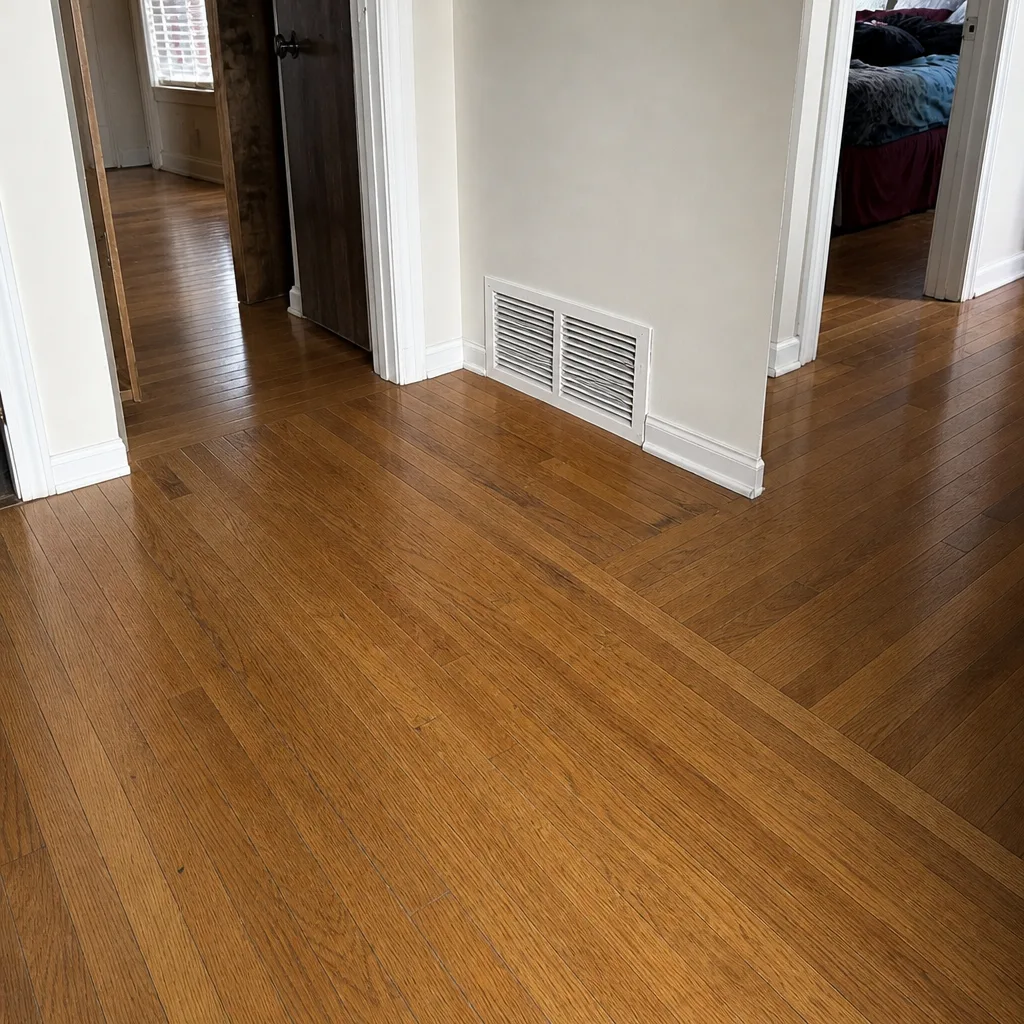
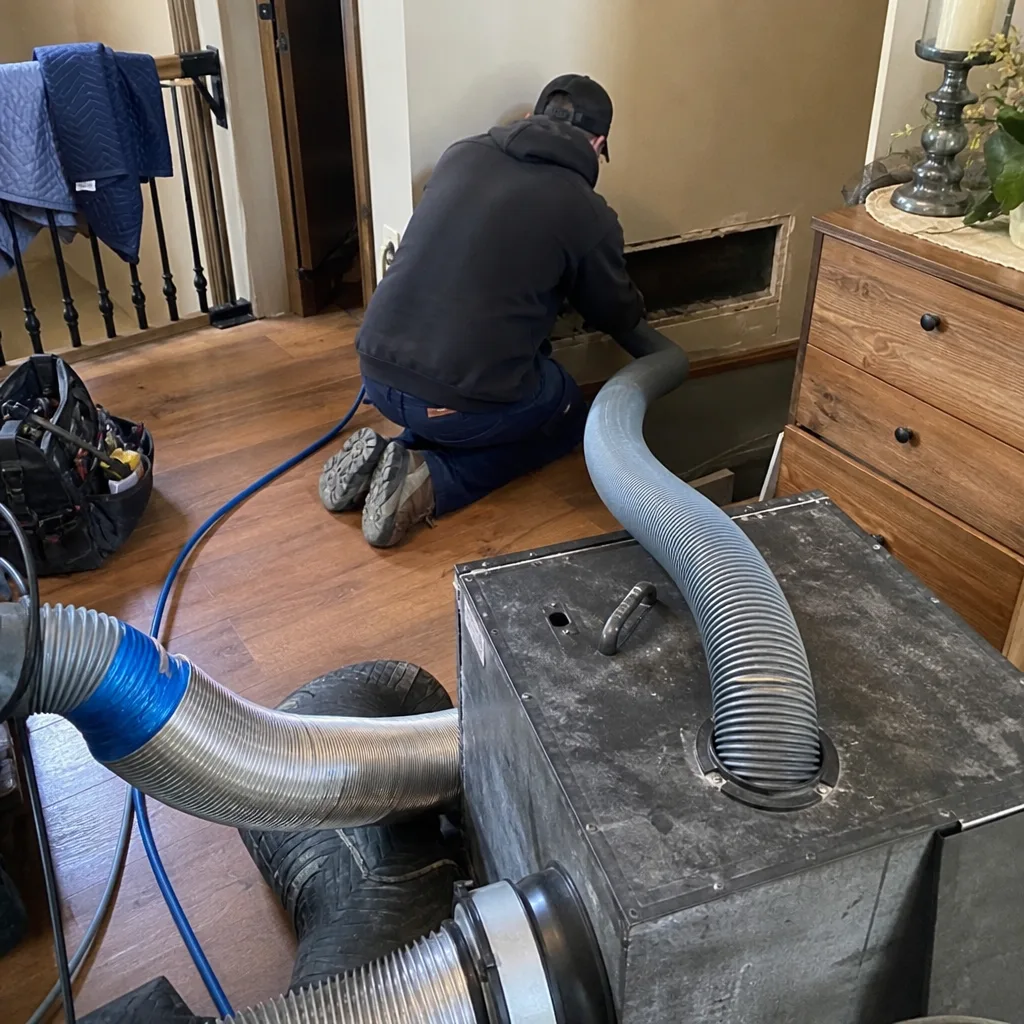
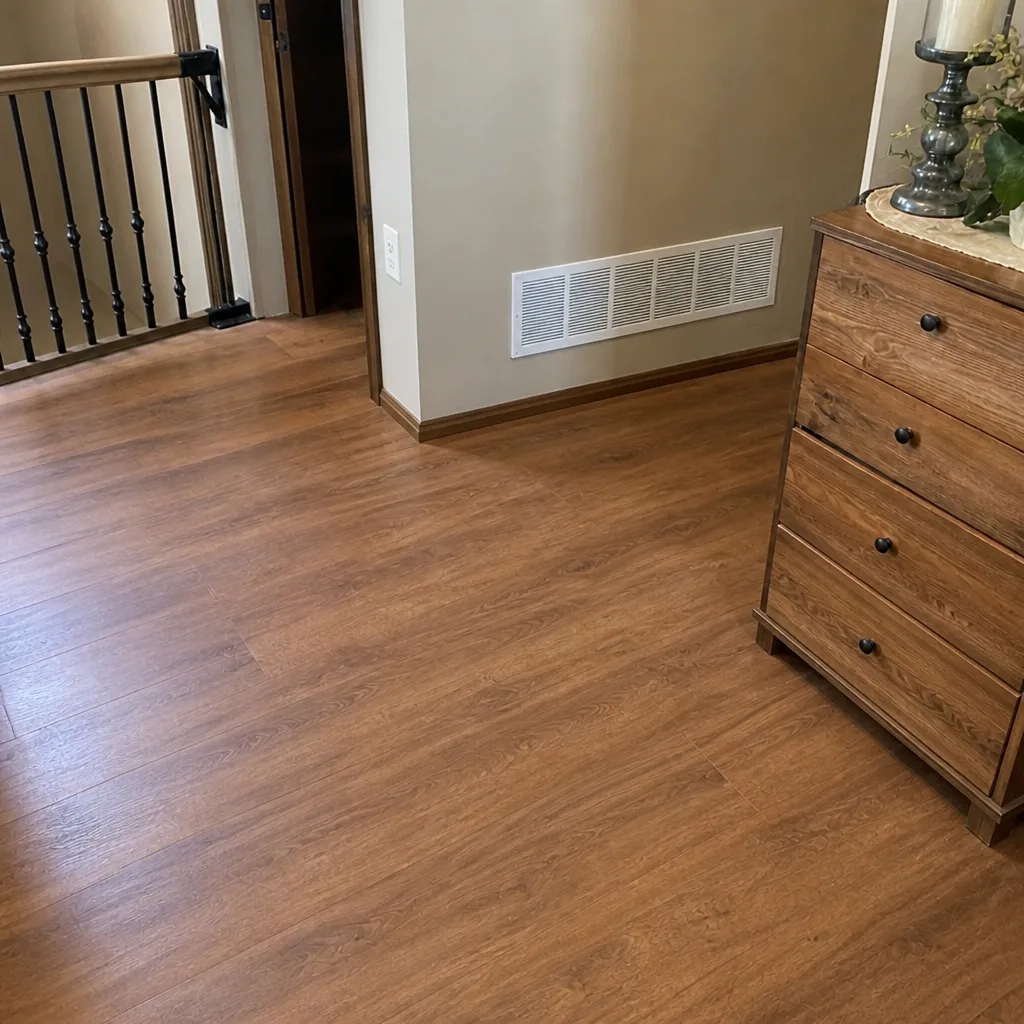
See the difference
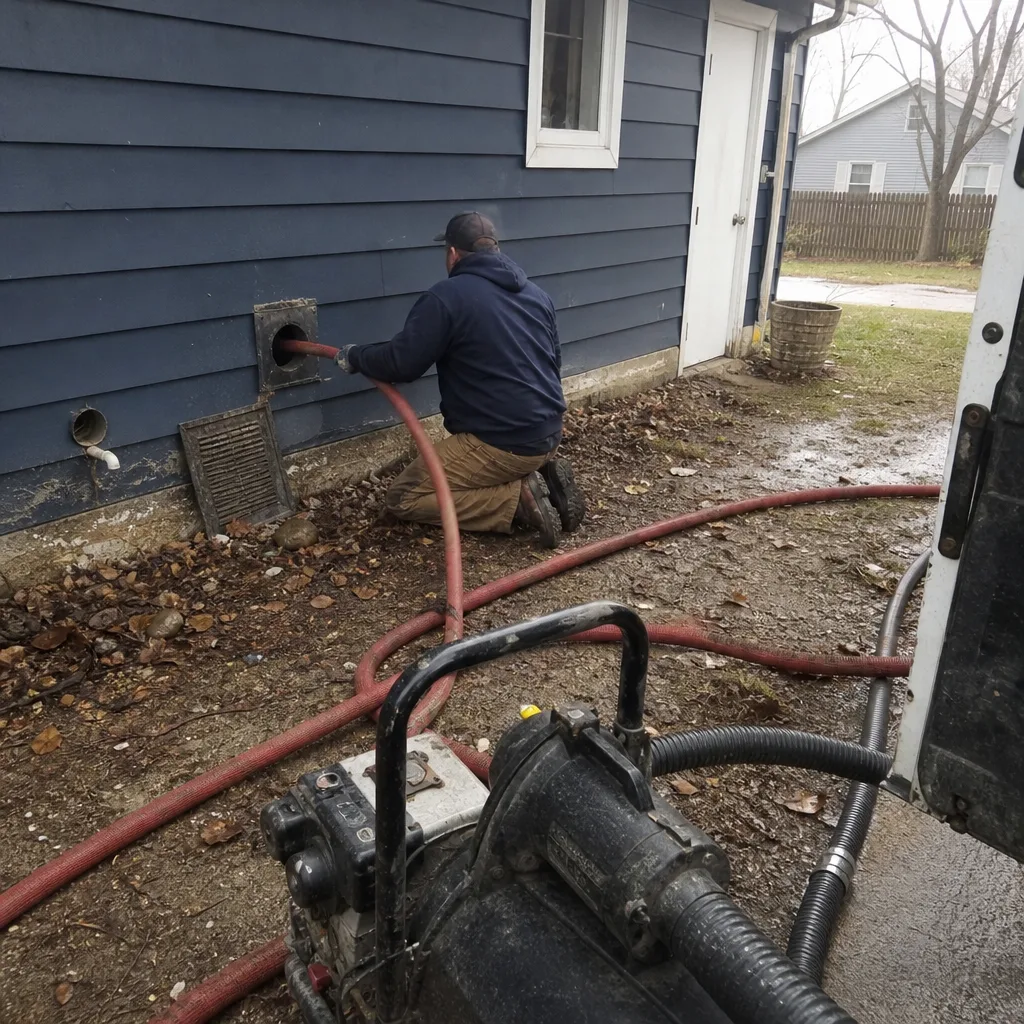 Before
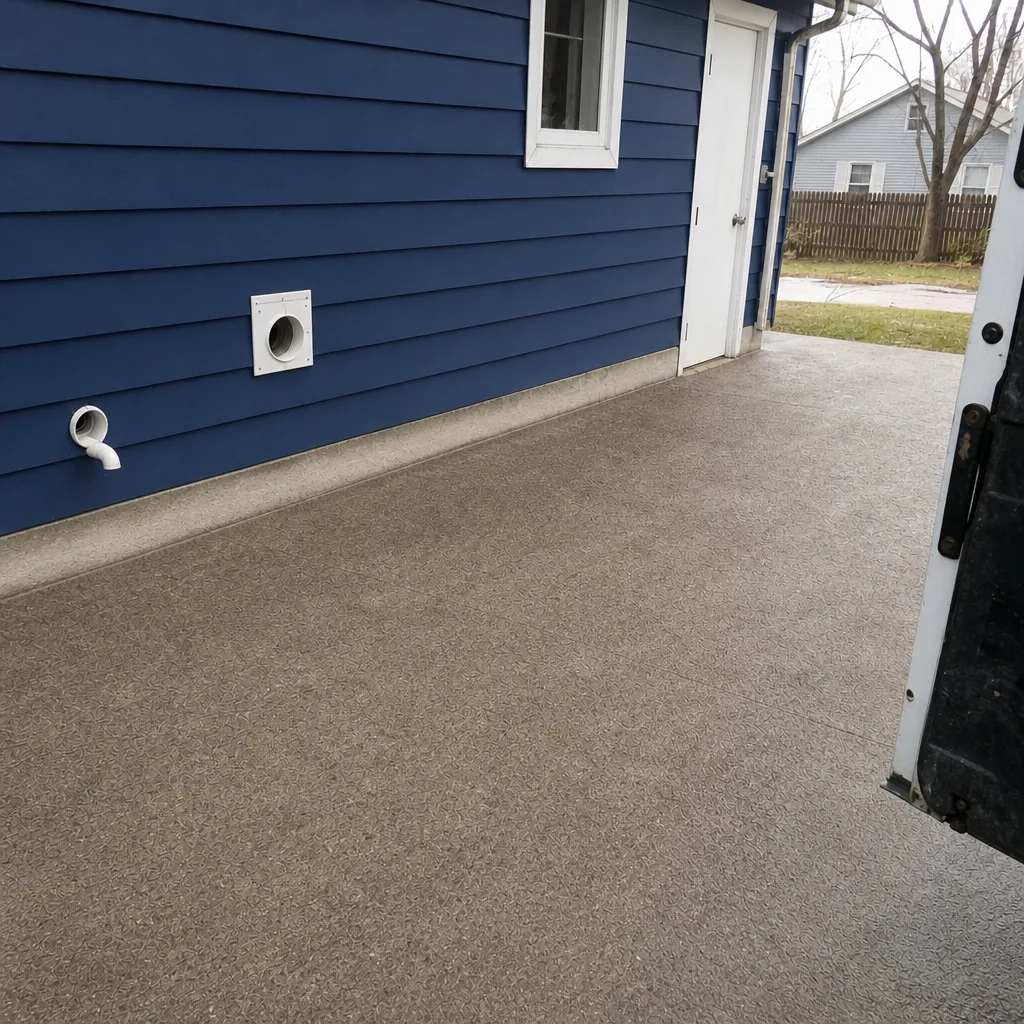 After
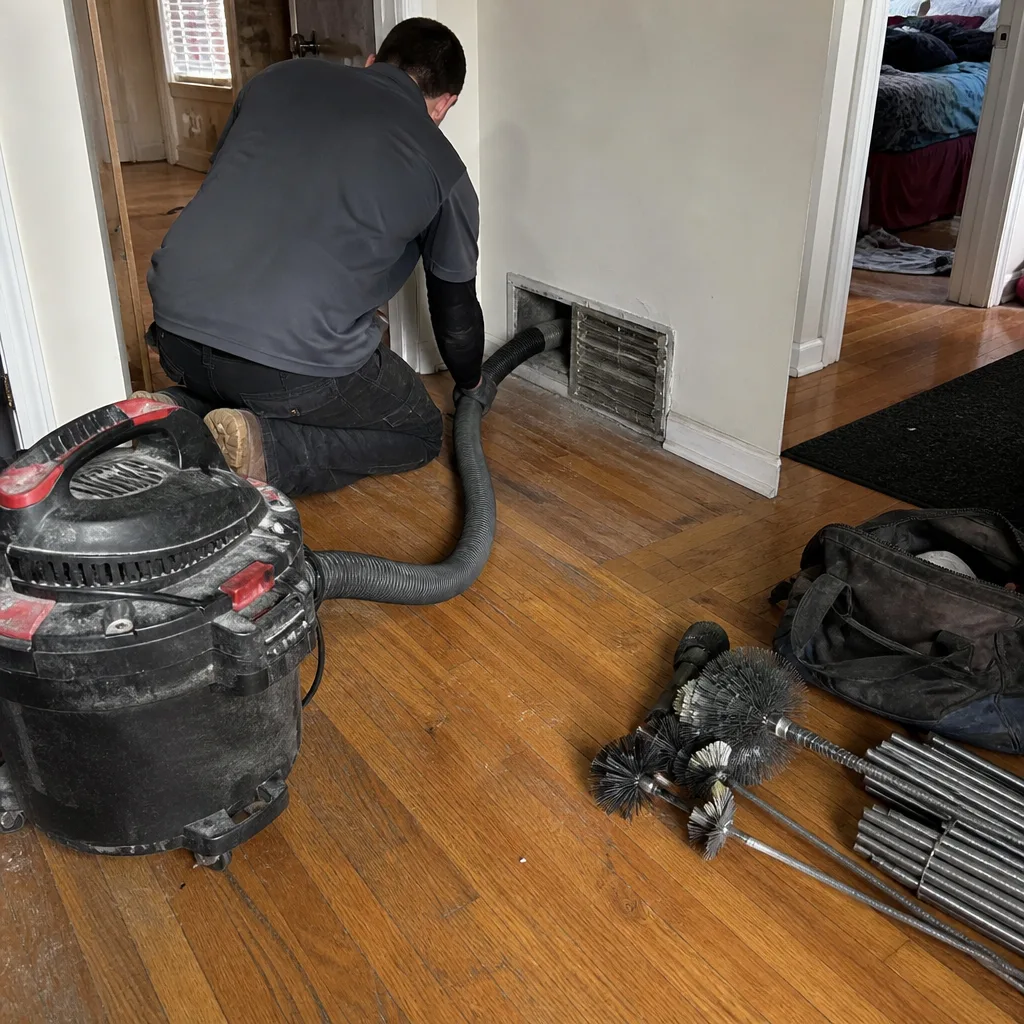 Before
 After
 Before
 After
When to Call a Professional
Call a professional when any of these apply: you see debris blowing out of a register on startup; you smell musty air that returns within weeks of cleaning; one room has noticeably weaker airflow than the rest; you’ve had a recent renovation that filled the air with drywall dust; you have a dryer that takes two cycles to dry a load or a vent that hasn’t been cleaned in years; or you simply can’t account for the dust load with a fresh filter. Each of these is a specific prompt to inspect and diagnose, not to guess. Same-day service is available, and you get a flat price per system agreed before work begins, plus before-and-after photos of your own ducts so you can see exactly what came out.
Aurora Duct Cleaning offers free estimates in Aurora. Call (888) 364-6081. We answer 24/7. Fast dispatch from 7am to 7pm, Sunday through Friday.
Frequently Asked Questions
The cost depends on system size, number of registers, and whether repair is needed, which is why we quote a flat price per system after an inspection rather than a per-vent figure. Call (888) 364-6081 for an exact quote, and the estimate is free. The written estimate sets the final price.
You need repair if you have uneven airflow, rattling or whistling at one register, or a dust pattern that concentrates in a single room; you need cleaning if the contamination is spread evenly across the system. An inspection of the runs answers this in minutes, and we inspect before we quote. Call (888) 364-6081 to book one.
The smell returns because the moisture source wasn’t addressed, usually a wet condensate pan, a damp cooling coil, or high humidity in the return. Cleaning removes the growth but not the cause, so the growth comes back. Fixing the moisture problem matters as much as the clean. Call (888) 364-6081 and we’ll inspect the source first.
Most Aurora homes need it every few years, sooner if you’ve had a renovation, pets, or allergy symptoms in the household. Homes with ducts in unconditioned attics often benefit from more frequent checks, because the wide seasonal swing in temperature stresses the system. If it’s been more than a few years, an inspection is the cheaper starting point. Call (888) 364-6081 to schedule one.
The lowest quotes usually skip the inspection, use consumer-grade equipment, or quote a low coupon price that grows into a bigger invoice on site. A real flat price per system, agreed before work starts, is what to compare, not the headline number. We don’t quote per vent. Call (888) 364-6081 for a flat quote.
Ask for before-and-after photos taken inside your own ducts, not stock images. That’s the most reliable proof, and we provide photos as part of every job. If a company won’t show you what came out of your system, that’s a reason to keep looking. Call (888) 364-6081 to see how the process works.
It’s a separate service, but it’s worth doing at the same time because a clogged dryer vent is a fire risk documented by the NFPA, and it’s easy to overlook until the dryer stops drying. We offer dryer vent cleaning alongside ductwork so it doesn’t get put off. Call (888) 364-6081 to schedule both in one visit.
The Bottom Line
Duct problems in Aurora are diagnosable if you read them as symptoms rather than surfaces. Map which rooms misbehave, log which ones spike by season, and note the smell, because each of those clues points to a different cause. A dirty duct and a damaged duct are not the same problem, and cleaning the wrong one wastes your money. Supply, return, and air handler each produce their own signature, and the difference between a localized failure and a systemic issue shapes both the fix and the cost. Repair before cleaning, always. When you’re ready to have a specialist confirm what your ducts are telling you, visit Aurora Duct Cleaning for the full-service picture: inspection, cleaning, and repair under one roof-equivalent relationship.
Ready to find out what’s actually inside your ductwork? Call Aurora Duct Cleaning at (888) 364-6081 for a free estimate. We answer 24/7. Fast dispatch from 7am to 7pm, Sunday through Friday. We’re closed Saturday. Professional-grade Rotobrush and Nikro equipment, licensed and insured service, one flat price per system agreed before work starts, and before-and-after photos of your own ducts so you know exactly what was done.
Written by the team at Aurora Duct Cleaning.