
Last updated November 15, 2026
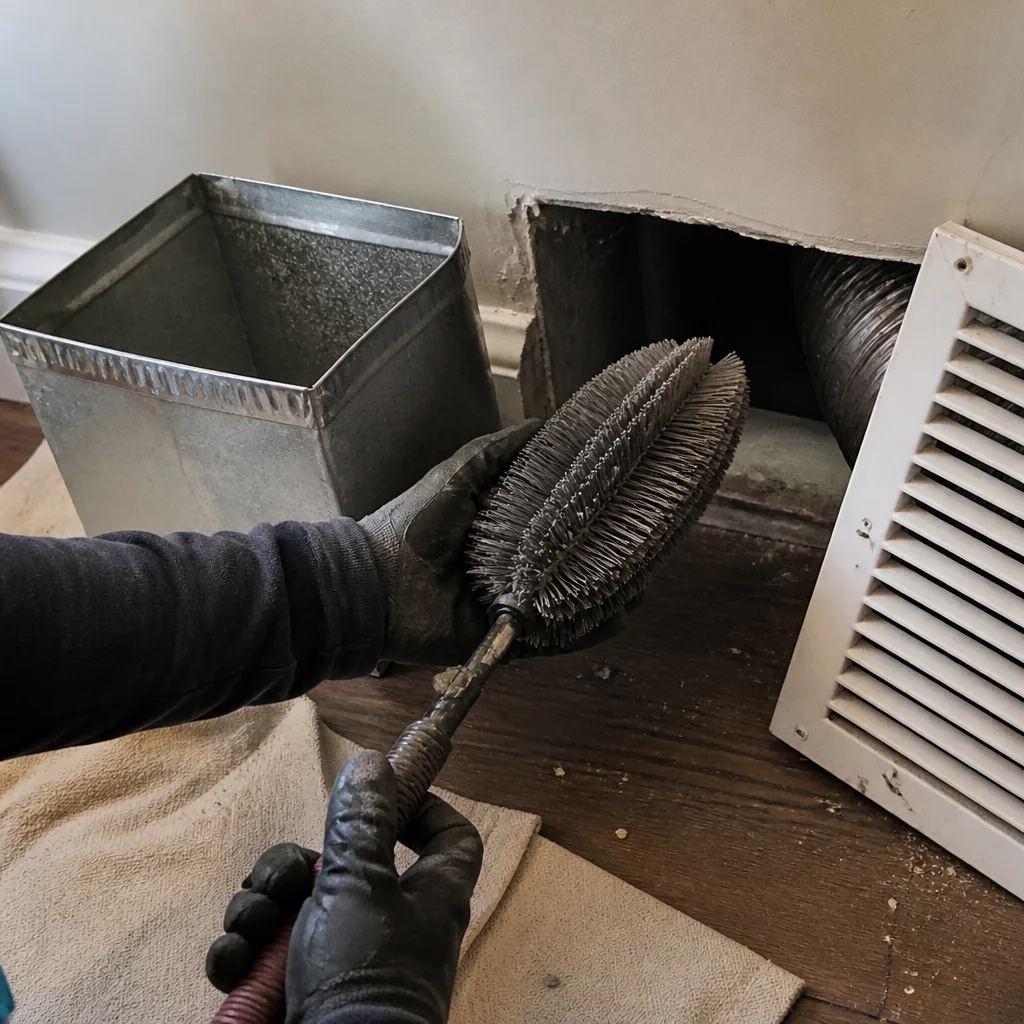
 Whole-home duct cleaning
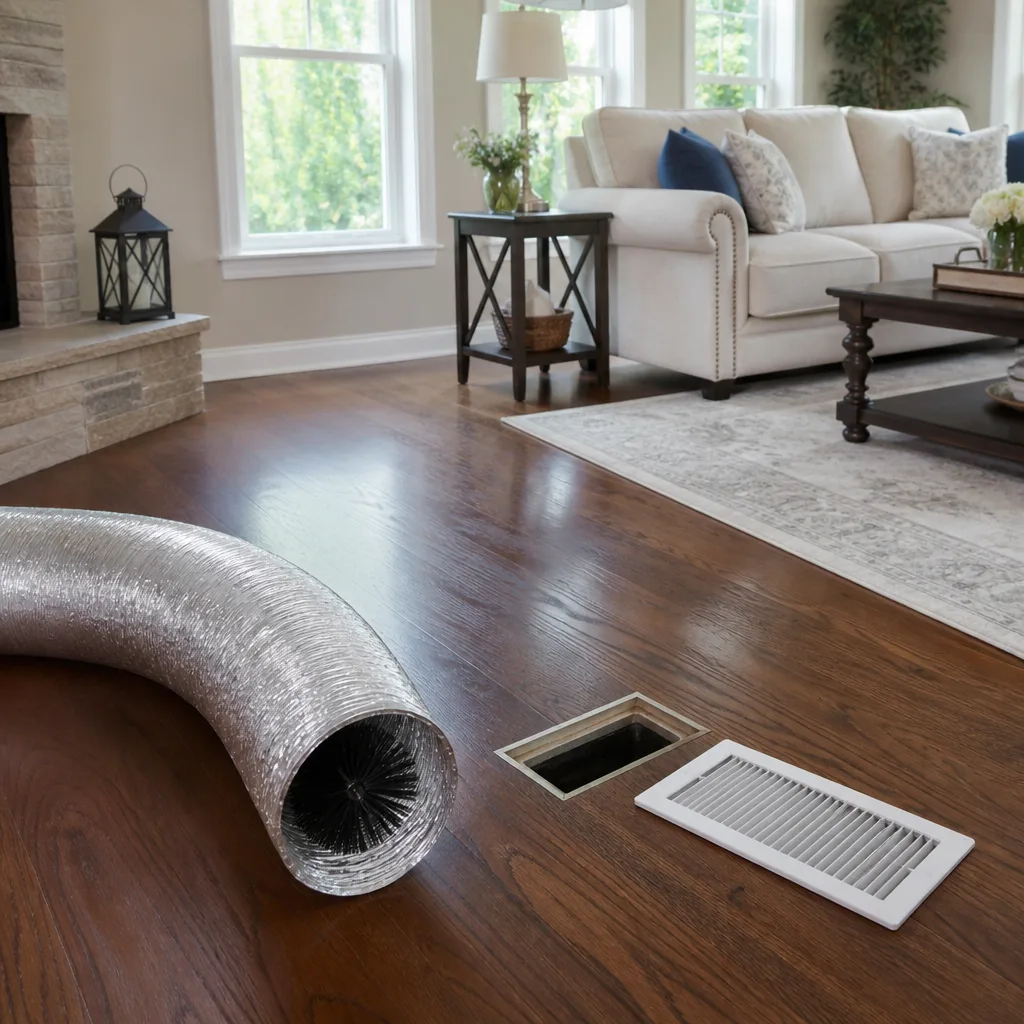
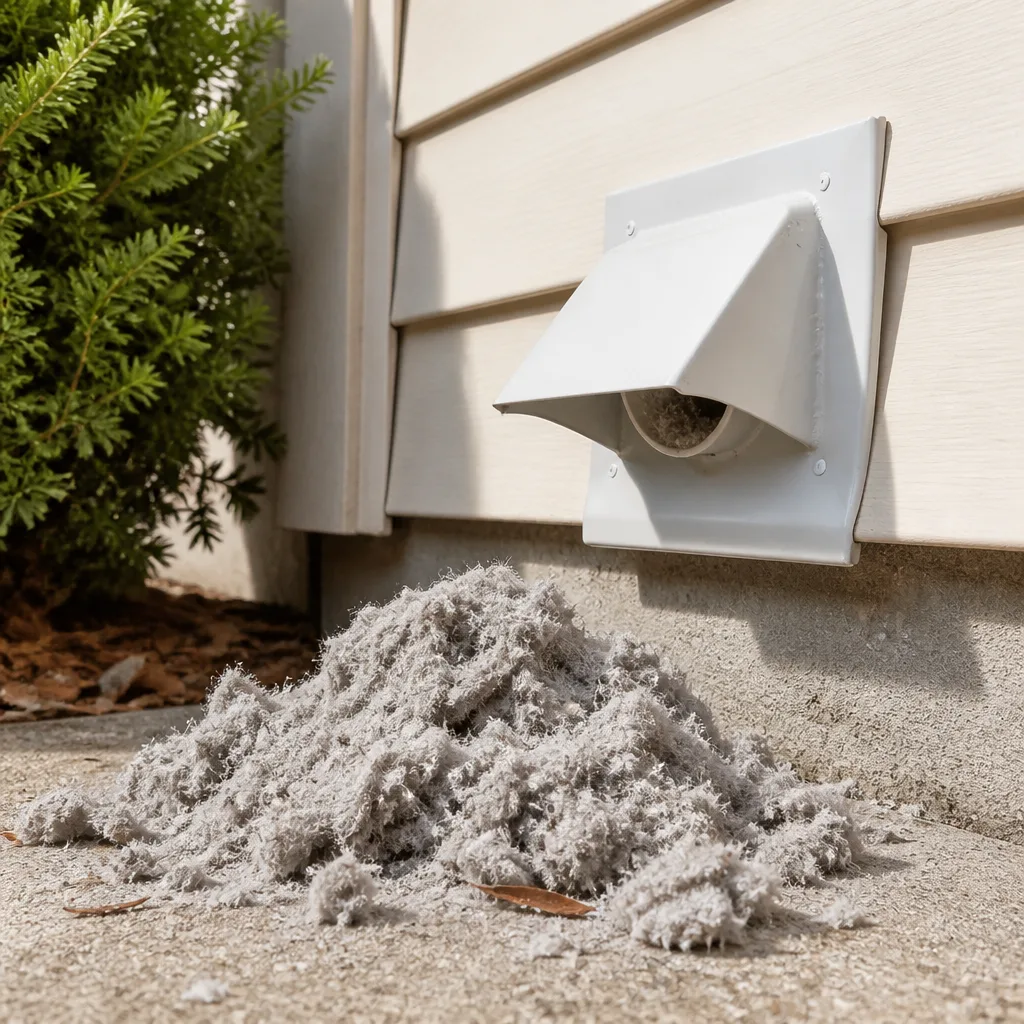 Dryer vent cleaning
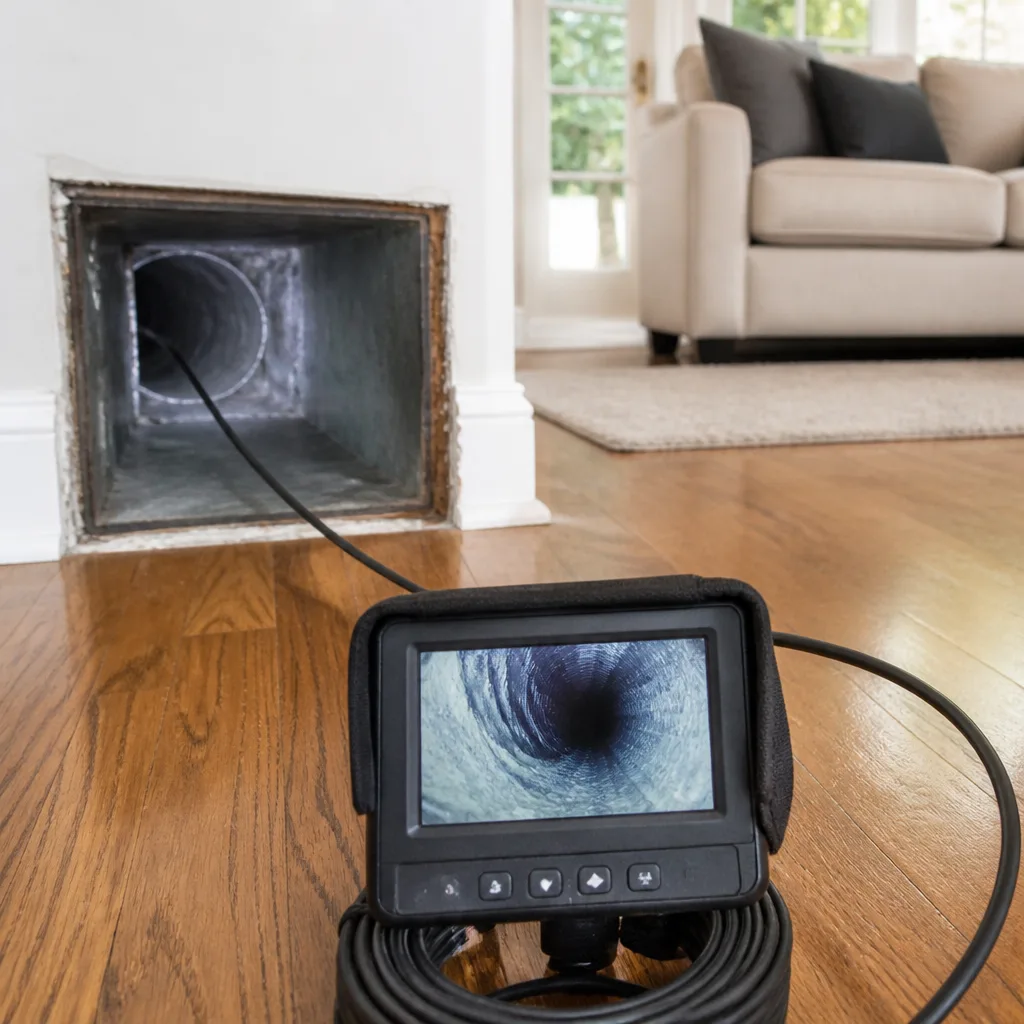 Camera inspection
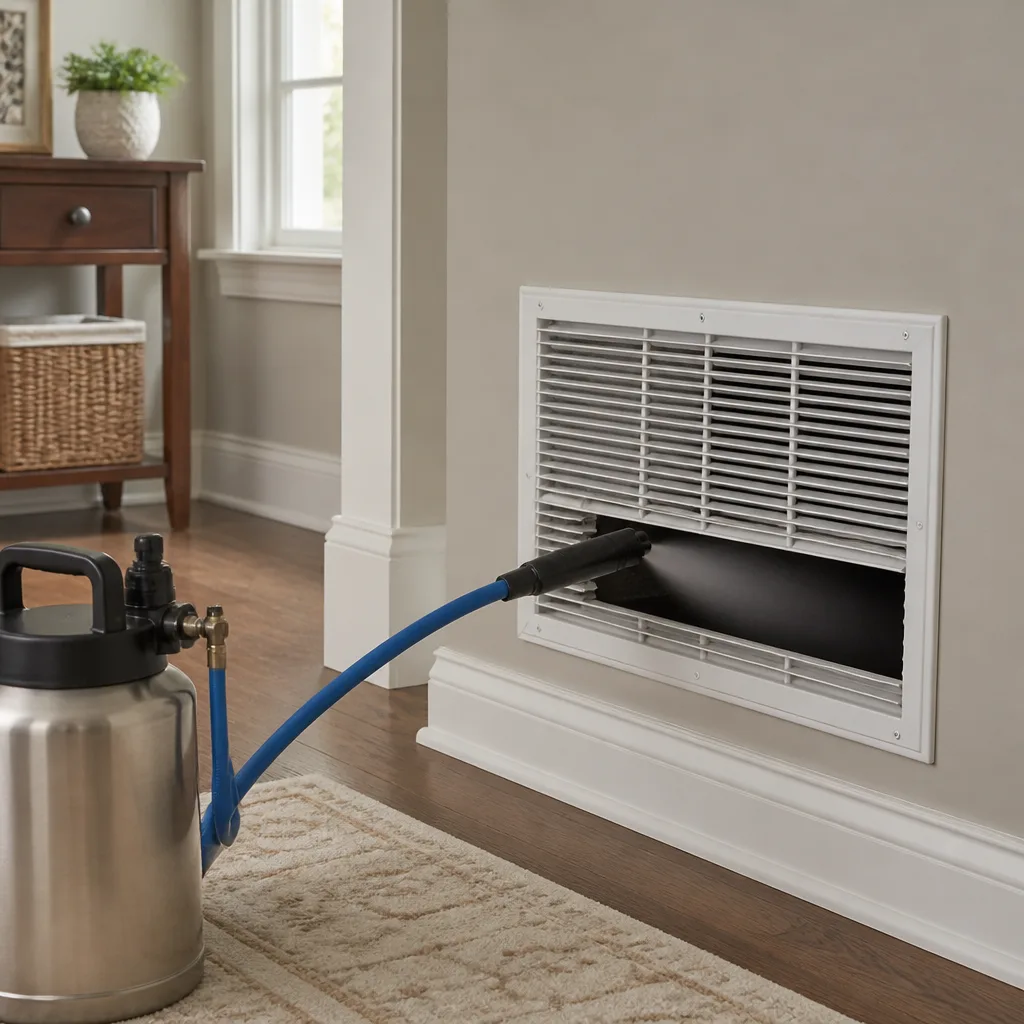 Sanitizing & deodorizing
Whole-system duct and dryer vent check with before-and-after photos - you see exactly what came out of your vents
That "$99 whole-house special" is a bait ad - the real number appears once they are in your hallway, or the "clean" is a shop-vac at the register. We photograph the inside of your ducts before and after instead.
The Complete Guide to Air Duct Cleaning in Aurora
Most Aurora homeowners treat duct cleaning as a box to check every few years. The EPA doesn’t recommend it on a fixed schedule, though, and that fact alone should change how you think about it. Whether your ducts need cleaning depends on what’s inside them, not on how long it’s been since the last pass. Two houses on the same Aurora block can need completely different work, because contamination builds from how the system was built, how it’s been maintained, and what’s been pulled through it. This guide walks through what a real assessment looks like, how Aurora’s climate shapes what ends up in your ductwork, and how to verify the job was done at duct depth. By the end you’ll know how to read a post-cleaning report, spot a cheap quote that cuts corners, and understand why duct condition affects your heating bills in a town that runs the furnace hard.
Quick Answer
Air duct cleaning in Aurora removes accumulated debris, dust, and contaminants from the full duct system, not just the vent covers, and the need for it is driven by what’s inside rather than a calendar. A proper job uses professional-grade negative-pressure equipment like the Rotobrush and Nikro systems we use, runs through every branch line, and includes an inspection report showing duct depth, not just registers. If you’ve renovated, noticed visible dust at the vents, or your HVAC system is struggling, it’s worth having the system assessed.
Styles & brands we work with
- Whole-home duct cleaning
- Dryer vent cleaning
- Camera inspection
- Sanitizing & deodorizing
Table of Contents
- Why Duct Cleaning Isn’t a Fixed-Schedule Service
- How Aurora’s Climate Shapes What’s Inside Your Ducts
- Surface Debris vs. the Underlying Problem
- What Professional-Grade Equipment Actually Does
- How to Read a Post-Cleaning Report
- Duct Condition and HVAC Efficiency in a Heating-Heavy Climate
- What a Full Assessment and Cleaning Involves
- Dryer Vent Cleaning: The Safety Side of Ductwork
Why Duct Cleaning Isn’t a Fixed-Schedule Service
The framing most people carry is that ducts get cleaned every two or three years like a chimney sweep. That’s not how any credible authority recommends it. The EPA’s own guidance is that duct cleaning has never been shown to prevent health problems, and the agency suggests it be considered on an as-needed basis rather than by the calendar. Whether your system needs it comes down to contamination, not time.
Three things actually drive the decision in a typical Aurora home:
- Visible debris or buildup at the registers. If you’re seeing dust accumulation returning within days of wiping the vent covers, the source is probably deeper in the branch lines.
- Recent renovation or construction. Drywall dust, sawdust, and insulation particles get pulled into return air and settle throughout the duct system. This is one of the clearest signals that a thorough cleaning is warranted.
- Water intrusion or microbial growth. If there’s been a leak, condensation problem, or visible mold near the air handler, the ducts likely need more than a standard cleaning.
Our approach here at Aurora Duct Cleaning is to treat every job as an assessment first. We don’t just clean, we inspect. That means finding out what’s actually inside the system, whether the flex duct is intact, whether connections are leaking, and whether the contamination is surface-level or a symptom of a larger condition. That’s the reframing this guide is built around: duct cleaning as a diagnostic process, not an errand. If the system is clean and sound, we’ll tell you. If there’s a problem, you’ll see it in a report before any work is agreed.
How Aurora’s Climate Shapes What’s Inside Your Ducts
Aurora sits in northern Illinois, where the heating season is long, the humidity swings between summer and winter are wide, and every spring brings storm debris and pollen into the air. Those three factors create a specific contamination pattern inside residential ductwork that you won’t see described anywhere else.
Start with the heating season. Aurora homes run forced-air furnaces for a large part of the year, which means air cycles through the duct system constantly, carrying dust, pet dander, and settled particles into the branch lines. In a home that also runs central air in summer, the same ducts handle the cooling season. That dual use means more air moving through the same pipework over a longer part of the year than in a milder climate.
Then there’s the humidity swing. Ducts are rated for sensible moisture, but condensation can form on the cool metal surfaces and inside flex duct when the transition from heating to cooling season happens quickly, as it often does here. Any moisture that finds its way into a heating-cooling duct becomes a substrate for mold and microbial growth. If you’ve had a humid basement or a leaky AC coil, that risk goes up.
Spring storm debris is the third piece. When storm systems roll through the region, they push pollen, dust, and fine yard debris into the outdoor air, some of which is pulled in through return air intakes and settles in the duct system. It’s not a dramatic contamination event, but it’s a slow deposit.
What this means practically: an Aurora house that’s never been assessed and has run the furnace through several long winters and several summers of central air is a strong candidate for a real inspection. Not because a calendar says so, but because the system has been doing a lot of work. The best first step is simply to call and book an assessment: call Aurora Duct Cleaning at (888) 364-6081 for a free estimate.
Surface Debris vs. the Underlying Problem
There are two tiers of duct cleaning. One addresses surface debris. The other resolves the underlying condition. The gap between them is where most of the industry’s trust problems live, because both are often described with the same vague promise of “cleaner air.”
Surface cleaning means the loose dust and debris sitting on duct walls and near the registers is vacuumed away. That’s the minimum. It leaves a system cleaner than it was. But it does nothing about the conditions that generated the debris in the first place.
Resolving the underlying condition means looking at the whole picture. That includes:
- Microbial growth. If there’s mold or biological contamination inside the ducts, a standard cleaning can scatter spores rather than remove them. The work has to include proper containment and filtration, which is where Abatement Technologies equipment comes in.
- Collapsed or disconnected flex duct. Flexible duct can sag, kink, tear at the collar, or come loose entirely. That’s not a cleaning problem, it’s a delivery problem: air meant for one room goes into the attic or crawlspace instead. A duct that’s collapsed needs repair, not just a vacuum.
- Leaking joints and seals. Gaps at duct connections bleed conditioned air into unconditioned spaces. In a heating-heavy climate that’s a direct energy loss, and it needs sealing or repair.
- Contaminated insulation or worn duct lining. Interior duct insulation can deteriorate over time, and if it’s contaminated it needs to be addressed directly.
This is the reason air duct repair sits alongside cleaning for us rather than being a separate referral. When a cleaning reveals a collapsed run, a torn collar, or a leaking joint, the same visit is the moment to fix it. Sending a customer to hire a second contractor for work discovered during a cleaning is a sure way to keep the problem unsolved. Professional-grade equipment, residential care, and a service relationship that can inspect and repair in one pass is the standard we work to.
What Professional-Grade Equipment Actually Does
The single biggest difference between a real duct cleaning and a cheap quote isn’t effort, it’s the tool on the job. A shop vac and a brush does not clean a residential duct system. It creates the appearance of cleaning at the register.
Here’s what equipment actually does at the professional end of the trade:
- Creates negative pressure through the whole system. A high-powered vacuum source connected at the main trunk pulls air from every branch line. Debris doesn’t just get disturbed, it gets captured. Without this, agitation of the duct walls at one register sends dust into every other room.
- Agitates the duct wall with a driven brush. The Rotobrush system, and comparable Nikro equipment, is purpose-built to reach into branch lines and scrub debris off the duct wall rather than just pull loose dust. A bristle head driven through every line touches the actual surface.
- Handles high-contamination environments. Post-renovation debris, microbial contamination, or a heavily fouled system requires more than a standard vacuum. Abatement Technologies filtration equipment is built for that tier of work: it captures fine particles at high contamination levels without spreading them into the living space.
- Filters and contains rather than exhausts. A critical piece for anyone worried about what’s being kicked into the air during a cleaning. Sealed capture is what keeps a duct cleaning from becoming a dust event.
We also see the connection between ductwork and whole-home air quality systems on nearly every job. If your home has a Honeywell or Aprilaire system inline, cleaning the ducts is only part of the picture: the equipment, the filter housing, and the duct work together. An assessment that ignores the IAQ side misses half of what’s actually moving air through the house.
And we take surface protection seriously. Guardsman-associated standards around covering floors and protecting finishes during in-home work reflect our approach to the visit itself. A cleaner system shouldn’t leave you a mess in the living room.
To have your system assessed with professional-grade equipment, call (888) 364-6081. We answer 24/7. Fast dispatch from 7am to 7pm, Sunday through Friday.
How to Read a Post-Cleaning Report
The report after a cleaning is your evidence of what was actually done, at depth, not at the registers. If a job ends with a blank “cleaned” checkbox and a handshake, you don’t know what happened inside the system. A proper report should let you see the work.
Here’s what to look for, in order of importance:
- Inspection findings per run, not per house. A report that says “ducts cleaned” tells you nothing. Look for line-by-line findings on the main trunk and branch lines, including any runs with visible debris, moisture, or damage.
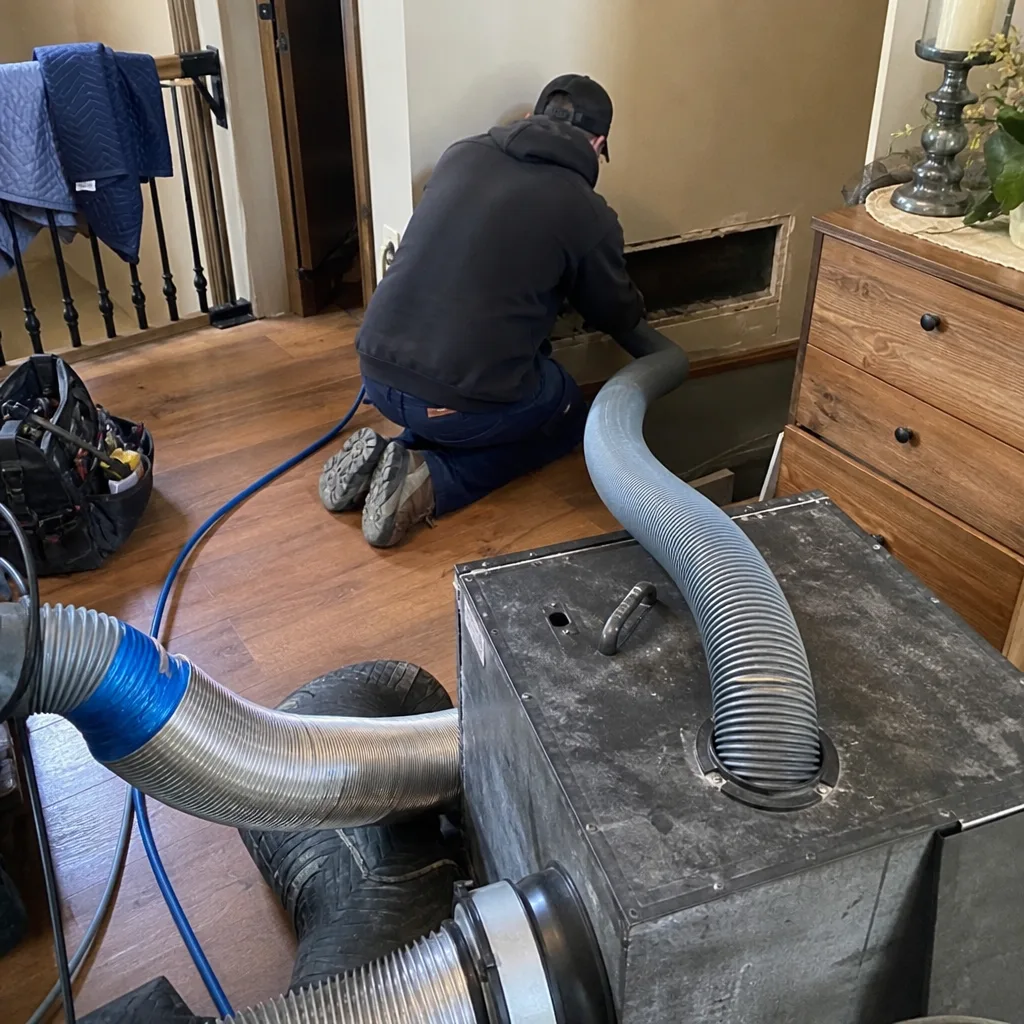
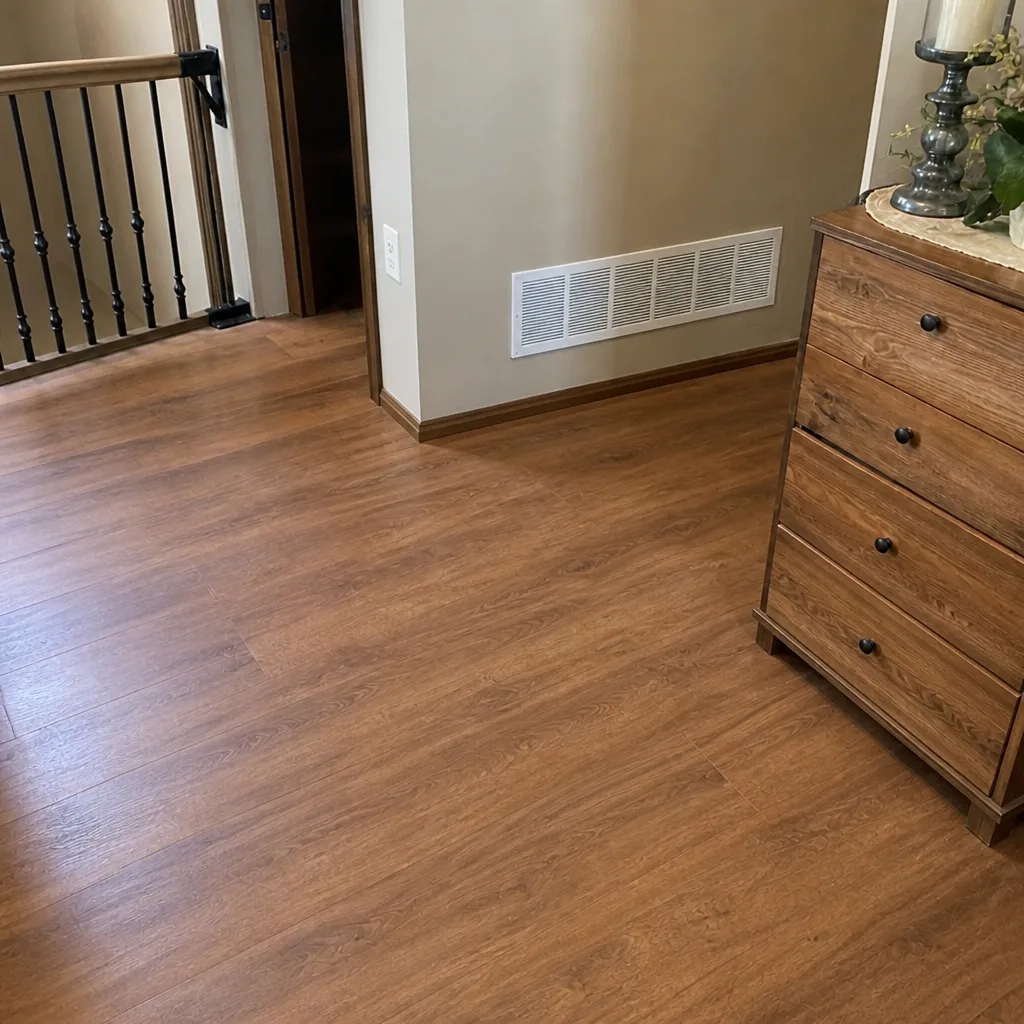
- Before-and-after photos or video. Ask for images from inside the ductwork, not just of the vents. Photo evidence from a branch line before and after is the clearest possible confirmation that work happened at depth.
- Damage and repair notes. Any collapsed flex duct, torn collar, leaking joint, or compromised insulation should be named, with a recommended fix. A report with no findings on an older home is a red flag.
- Equipment list. Which vacuum system, which brush, and whether containment or filtration was used. If a cleaning used nothing more than a portable vacuum and a handheld brush, the report will usually be thin for a reason.
- Scope agreement. The written scope should match the work actually performed, and the final invoice should match the scope. That’s how you avoid the bait-and-switch that gives this industry its reputation problem.
If you want a report you can actually read and use, ask for one up front. If a contractor can’t produce a duct-depth assessment or before-and-after photos, that tells you something. There is no shortcut here: photos or it didn’t happen. For a full inspection with a written report, call (888) 364-6081 for a free estimate. Estimates are free.
Duct Condition and HVAC Efficiency in a Heating-Heavy Climate
Dirty ducts and leaking ducts are two different problems, and both cost money in a heating-heavy climate like Aurora’s. The first affects airflow and system strain. The second affects how much of the heated air you’re paying for actually reaches the room.
Dirty ducts narrow the path for air. The blower has to work harder to push the same volume of air through a partially restricted branch line. As the furnace works harder, it runs a bit longer and pulls a bit more current. Over a long heating season, that shows up on the utility bill, and it adds wear to the blower motor itself. If a room feels cooler than it should, the cause is often a restricted run rather than a failing thermostat.
Leaking ducts lose you air directly. Any gap at a collar, seam, or connection is conditioned air escaping into an attic, crawlspace, or wall cavity where it does you no good. That lost air is air you paid to heat. The energy penalty compounds with every leak in the system. The same leak also pulls unconditioned outside air into the duct, which cools the supply air and can pull moisture with it, which leads to a secondary contamination problem.
Both issues are addressed by the same assessment and repair process. A duct cleaning reveals restriction and dirt at depth. An inspection at the same time catches leaks, collapsed runs, and disconnected joints. Fixing them in one visit restores the delivery system to something closer to what it was designed to do. This is why we offer air duct cleaning and air duct repair as two halves of the same service, not two separate errands. For a thorough assessment before the heating season gets going, call (888) 364-6081. Fast dispatch from 7am to 7pm, Sunday through Friday.
What a Full Assessment and Cleaning Involves
Knowing what a proper job looks like is the best defense against a low quote that ends in a large invoice. Here’s the sequence we work to, from first inspection to final report.
- Inspection and assessment. We start by looking at the air handler, the trunk, the branch lines, and the duct connections. Any visible damage, moisture, or microbial concern is flagged before cleaning starts.
- Surface protection and setup. Floors and finishes are covered before any equipment comes in. Negative pressure is connected at the main trunk and sealed against the system.
- Agitation of the full system. The driven brush is run through each branch line and the trunk, working in coordination with the negative pressure so the debris is captured rather than stirred up. High-contamination jobs get additional filtration.
- Repair of any damage found. Collapsed flex duct, damaged collars, and leaking joints are fixed in the same visit, so the cleaning isn’t immediately undone by a disconnected run.
- Verification and report. Before-and-after photos, line-by-line findings, and a scope that matches the invoice. Any remaining issues are documented.
That’s the whole process, start to finish. No per-vent pricing or coupon tricks. The estimate is written before the work starts, so the final invoice matches what you agreed to. And because we’re careful about who’s coming into your home, every visit runs to the same standard of care around protection and cleanup. Our technicians have up to 10 years of experience working in systems of every kind, from original builder-grade duct to custom runs. Book an assessment: dryer vent cleaning and duct cleaning are both on the menu, and a call to (888) 364-6081 gets you in for a free estimate.
Dryer Vent Cleaning: The Safety Side of Ductwork
Every house has a second duct system most people never think about: the dryer vent. Lint accumulation in a clogged vent is a documented fire risk, and unlike a dusty air duct, the consequence of neglect here is potentially catastrophic. Regulators and industry groups have flagged this for years, and it’s the single best safety-focused reason to have your ductwork assessed.
What makes it urgent is the timeline. A dryer vent doesn’t fail gradually in a way you notice; lint builds up over months and years, and the risk rises quietly with it. Some of the warning signs are easy to catch:
- Clothes take noticeably longer to dry than they used to.
- The dryer feels hot to the touch during a normal cycle.
- The vent line feels warm or you can feel restricted airflow at the exterior flap.
- You’ve never had the vent inspected since moving in.
A dryer vent cleaning is a quick, contained visit that clears accumulated lint from the full run, from the dryer connection to the exterior termination. If the vent line has a long run, elbows, or a roof termination, it’s worth having a professional look at it because the access is the hard part. We treat this as part of the same whole-home ductwork picture. If your ducts and your vent both need attention, one call handles both. For dryer vent cleaning in Aurora, call (888) 364-6081. Estimates are free.
Common Mistakes to Avoid
- Booking by coupon price without knowing what’s included. A low teaser price almost always covers a surface vacuum of the vents, not a full system cleaning with a report. If the quote doesn’t list equipment, scope, and report, it’s not a quote you can compare.
- Treating the vent covers as the whole story. Cleaning the registers makes a home feel cleaner for a week. The debris that returns is coming from deeper in the branch lines. If a cleaning doesn’t touch the duct depth, it hasn’t resolved anything.
- Skipping the inspection report. A “cleaned” checkbox is not evidence. Ask for before-and-after photos and line-by-line findings. A cleaning report you can’t read is a cleaning you can’t verify.
- Cleaning without checking for damage. A collapsed flex duct or a disconnected run needs repair, not just a vacuum. If the work stops at cleaning, the underlying problem keeps costing energy throughout a long heating season.
- Assuming the dryer vent can wait. Aurora homes with the same dryer running for years and no vent inspection are carrying a lint load they can’t see. The safety case for a vent cleaning is stronger than the comfort case for duct cleaning.
- Ignoring the IAQ gear inline in the system. If your home has a Honeywell or Aprilaire system tied to the duct, the duct is only one piece. An assessment that ignores the air quality equipment misses half the flow path.
- Trusting the “just blow it out” method. Compressed air without proper capture moves the debris from one part of the system to another. True professional equipment captures and contains, it doesn’t relocate the problem.
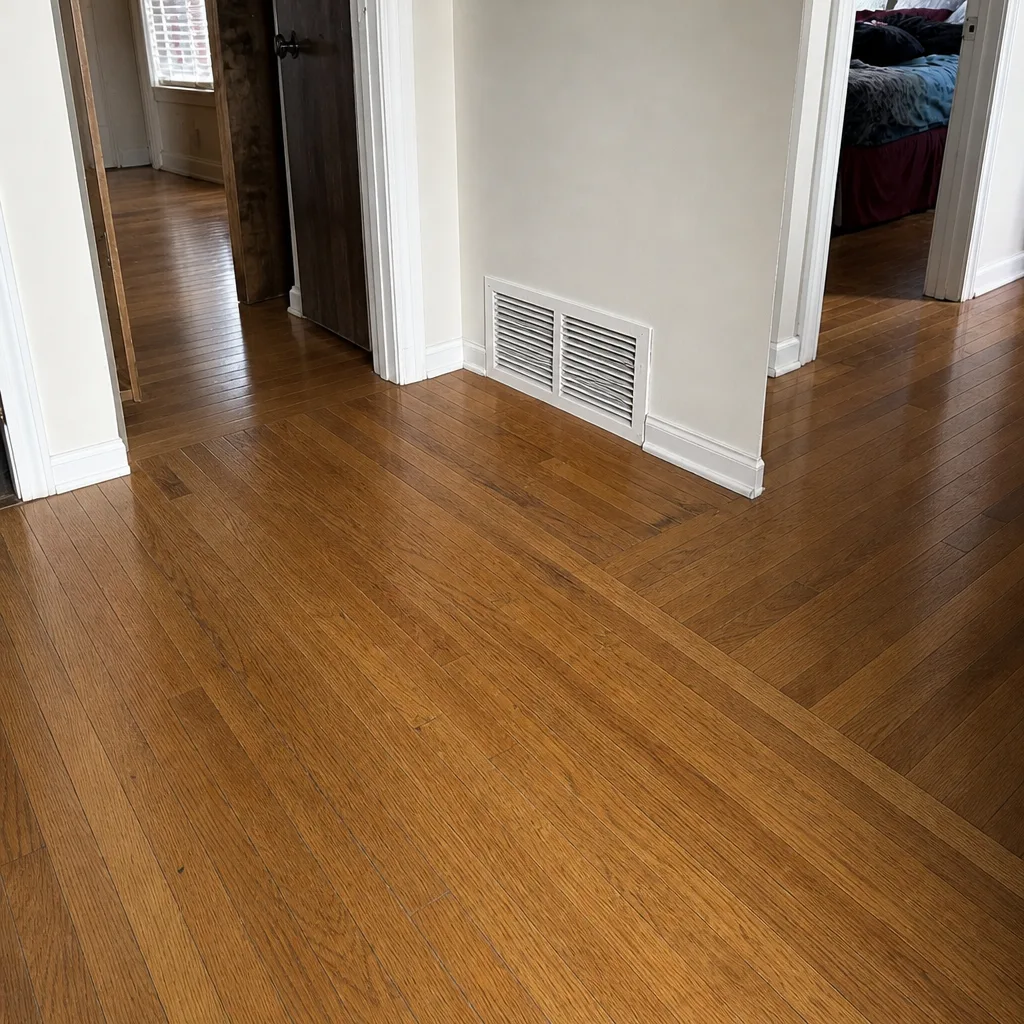
See the difference
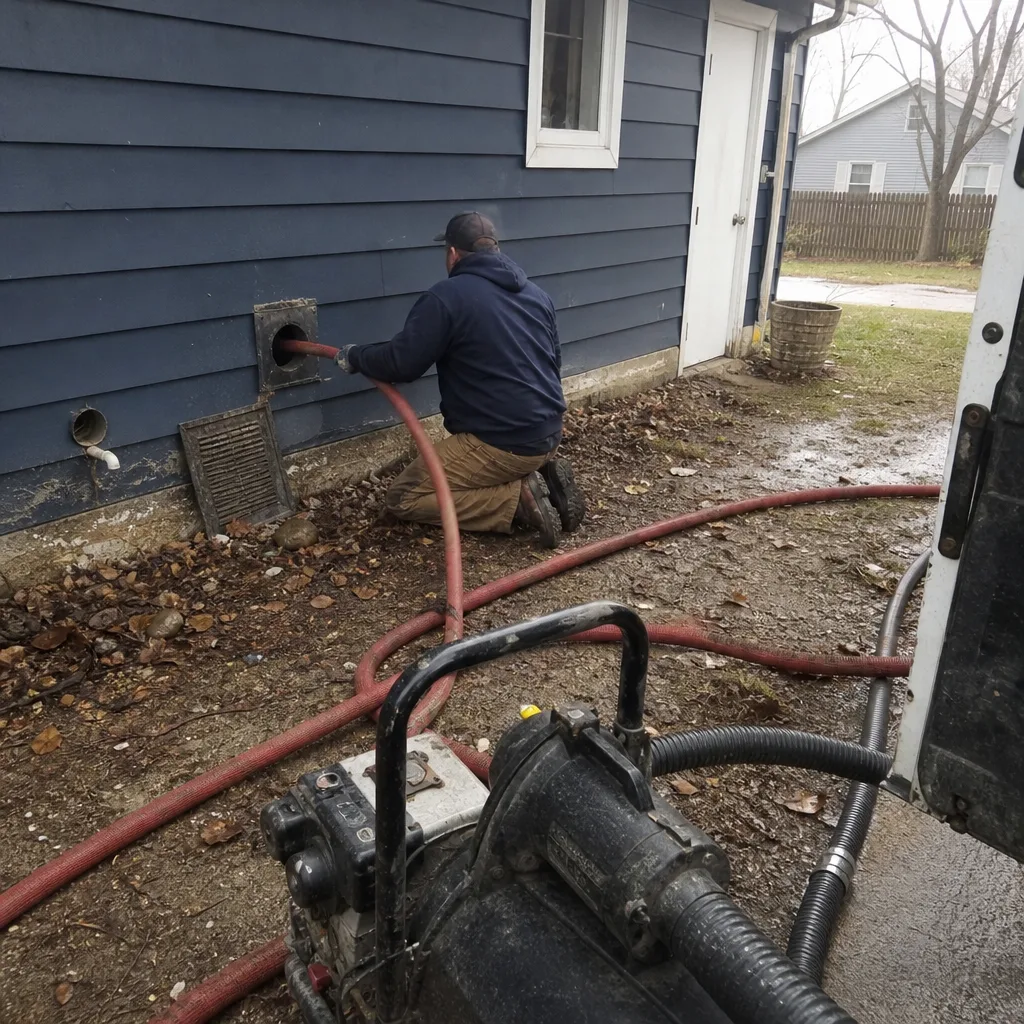 Before
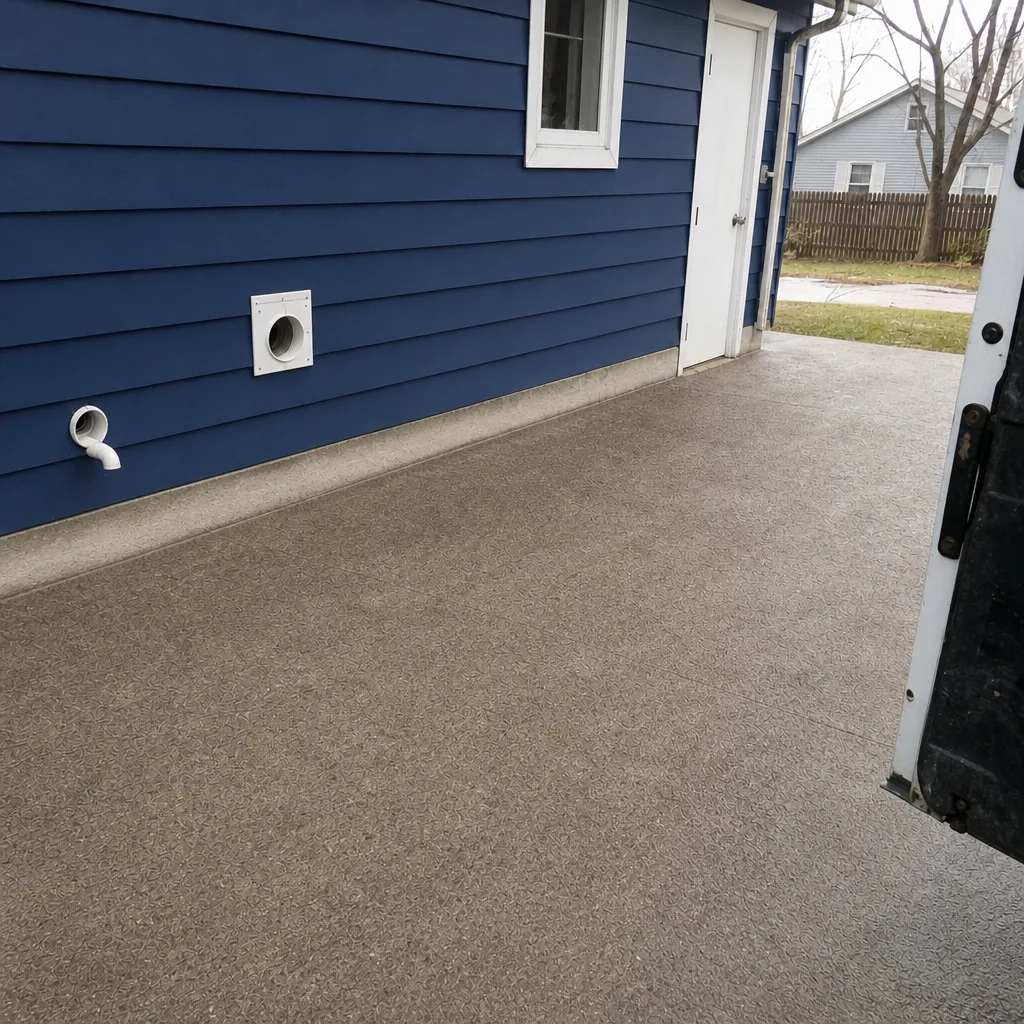 After
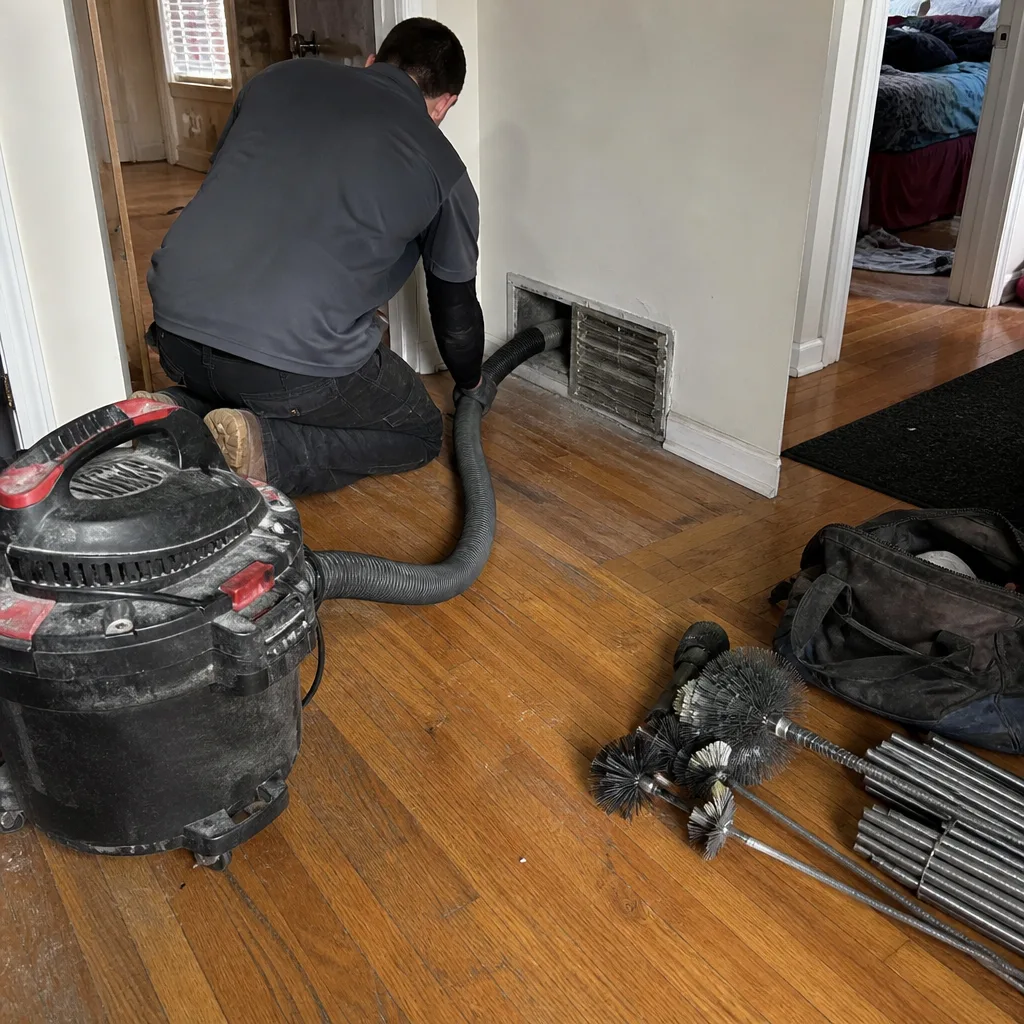 Before
 After
 Before
 After
When to Call a Professional
Most duct cleaning can wait, but some scenarios are clear signals to have the system assessed rather than wait. Call if you’ve recently renovated or finished a basement, because drywall dust and insulation particles lodge deep in return lines and don’t simply work their way out. Call if you see visible dust accumulating at the vents within days of cleaning them, since the source is usually deeper than the register. Call if there’s been a leak, condensation problem, or visible mold near the air handler or in a duct run; a standard cleaning isn’t the right response to microbial contamination. Call if a room isn’t heating properly and you suspect a collapsed or disconnected duct. Call if you can’t remember ever having the dryer vent inspected. And call if you’ve just bought an Aurora home and want to know what’s in the system before you move in. Aurora Duct Cleaning offers free estimates in Aurora and surrounding areas; call (888) 364-6081 for a free estimate. We answer 24/7. Fast dispatch from 7am to 7pm, Sunday through Friday.
Frequently Asked Questions
There’s no fixed schedule. Whether air ducts need cleaning depends on what’s inside them, not on how long it’s been since a previous cleaning. The EPA recommends considering duct cleaning on an as-needed basis rather than on a calendar. Homes with recent renovation, visible debris at the vents, water intrusion, or a heavily used system are the strongest candidates. If you want to know where your system stands, call (888) 364-6081 for an assessment; estimates are free.
Air duct cleaning costs are best discussed as a whole-system estimate rather than a per-vent price, because that’s what a proper job actually covers. The written estimate sets the price before work starts, so the final invoice matches what you agreed to. Beware of teaser coupon pricing: it almost always signals a surface vacuum rather than a full system cleaning with a report. Call (888) 364-6081 for an exact quote; estimates are free.
The cheapest quotes usually cover less work. A low coupon price typically buys a surface vacuum of the registers rather than agitation of the full system under negative pressure, and it usually comes without an inspection report or before-and-after photos. The difference isn’t effort, it’s equipment and scope. If a quote doesn’t list the equipment, the per-run findings, and the report, you’re not comparing the same job. Call (888) 364-6081 to see what a proper estimate looks like.
Ask for before-and-after photos from inside the ductwork and line-by-line findings per run. A proper report shows duct-depth work, not just clean vent covers. Photos taken inside a branch line before and after are the clearest confirmation that work happened at depth. If a contractor can’t produce photos or a written assessment, that tells you something. Book a cleaning with a report: call (888) 364-6081.
They can help. Clean ducts let the system move air with less restriction, which means the blower works less hard, and repaired ducts stop conditioned air from leaking into attics and crawlspaces during the heating season. That’s part of the reason duct cleaning and duct repair belong together. The savings come from restored airflow and sealed connections, not from the cleaning itself. Call (888) 364-6081 for a free assessment of your system.
The lint trap catches a fraction of the lint. The rest travels into the vent run and accumulates along the pipe and at elbows over months and years. A clogged dryer vent is a documented fire risk, and it’s also why some dryers take longer and longer to dry a load. An annual check of the full vent run catches what the trap can’t. For dryer vent cleaning in Aurora, call (888) 364-6081.
The Bottom Line
Air duct cleaning in Aurora is a diagnostic process, not a scheduled errand. The right question isn’t “when did I last have this done,” it’s “what’s actually inside my ductwork, and is the system delivering air the way it should?” Aurora’s long heating season, humidity swings, and storm seasons put specific demands on residential duct systems that a surface vacuum won’t address. A proper assessment uses professional-grade equipment to agitate and capture debris throughout the system, checks for collapsed or leaking duct, and hands you a report you can read. That’s what separates real duct work from a coupon service. Call (888) 364-6081 for a free estimate. We answer 24/7. Fast dispatch from 7am to 7pm, Sunday through Friday.
Written by the team at Aurora Duct Cleaning.