
Last updated November 15, 2026
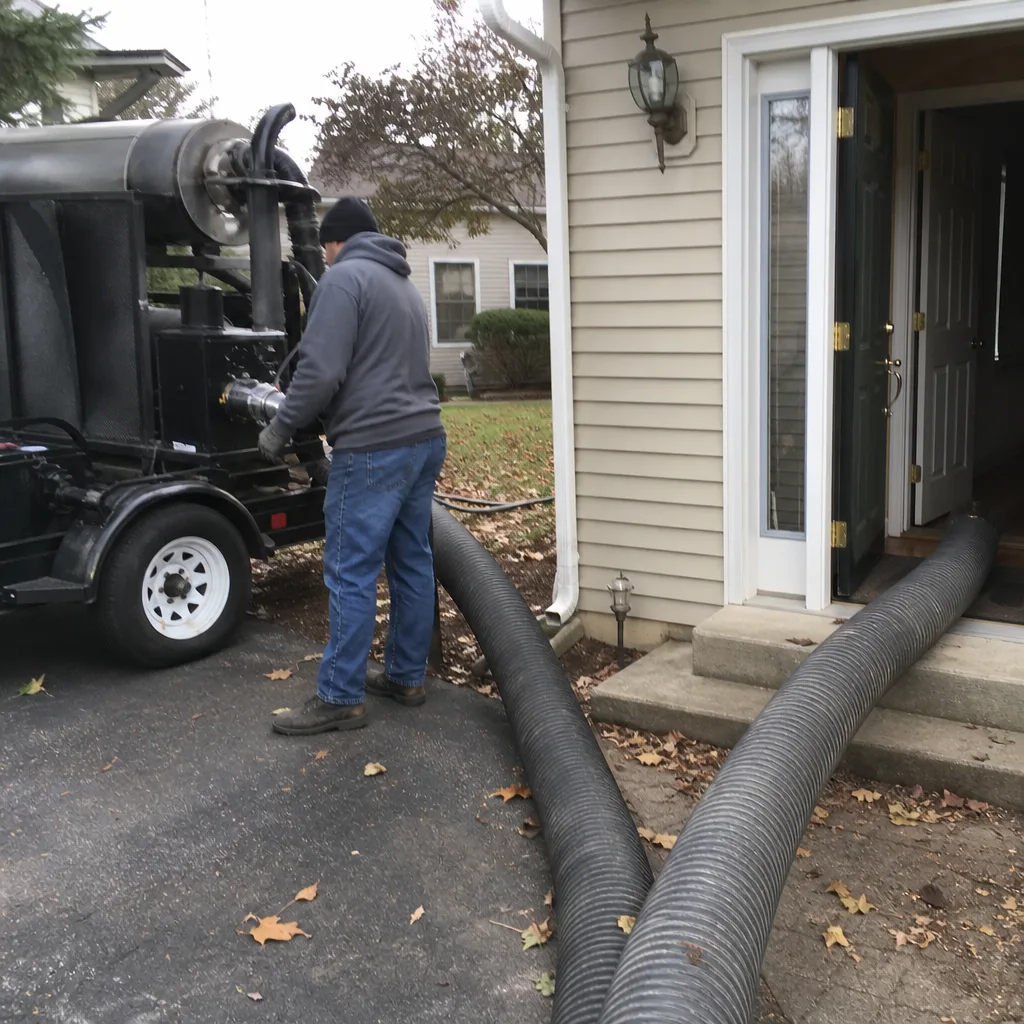
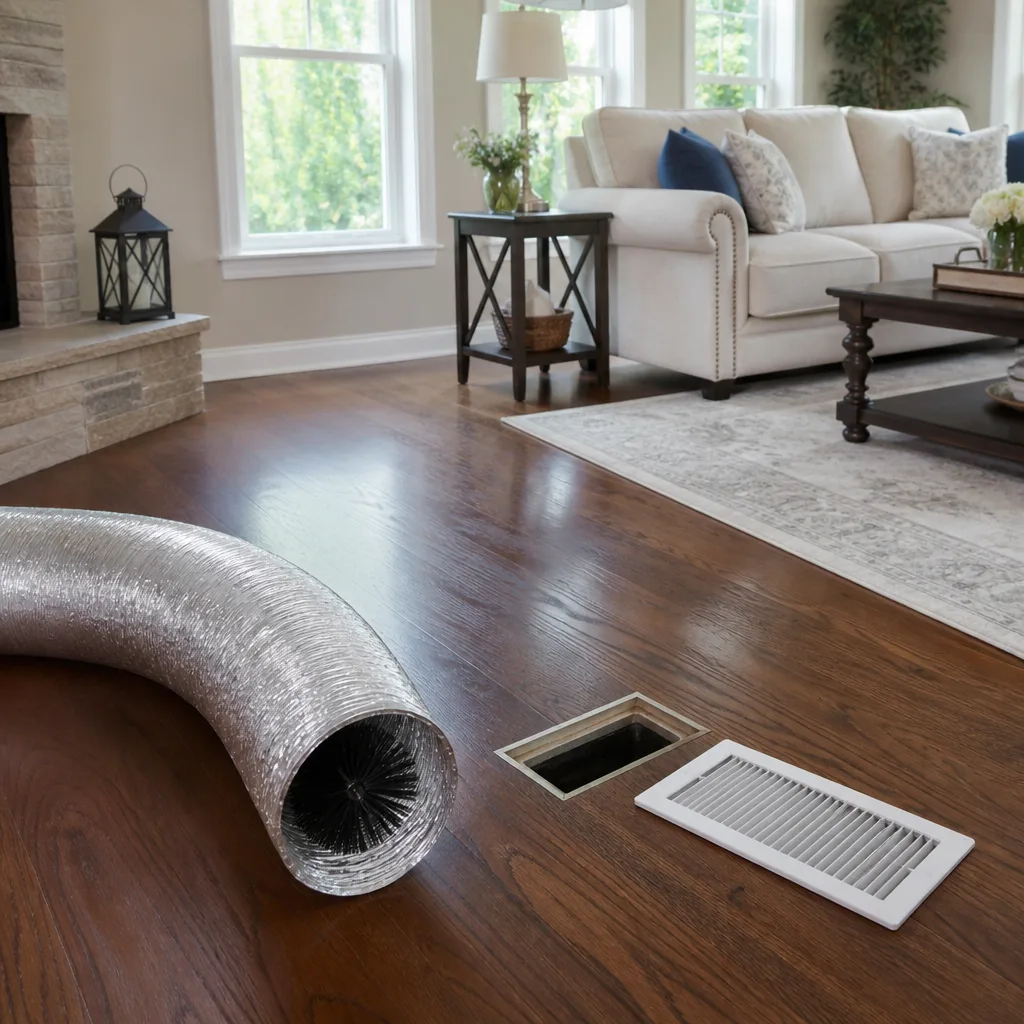 Whole-home duct cleaning
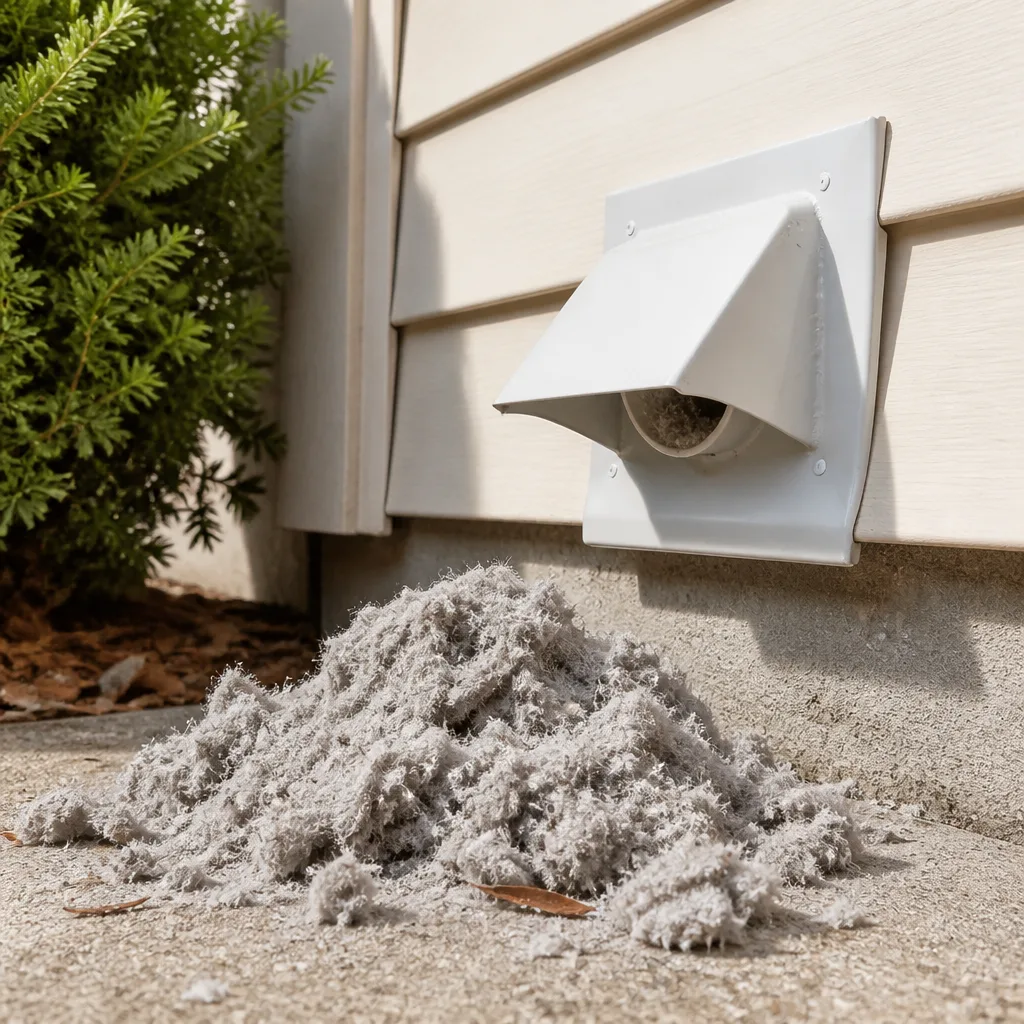 Dryer vent cleaning
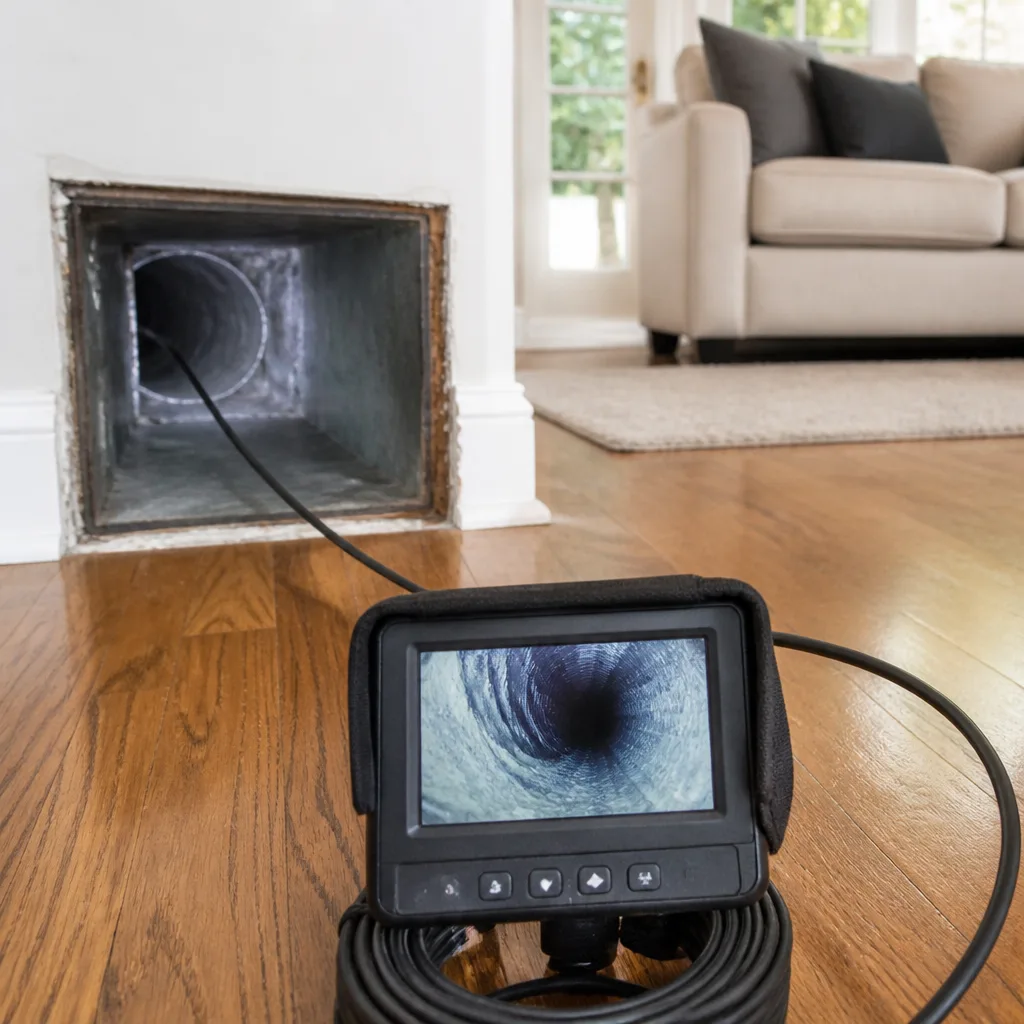 Camera inspection
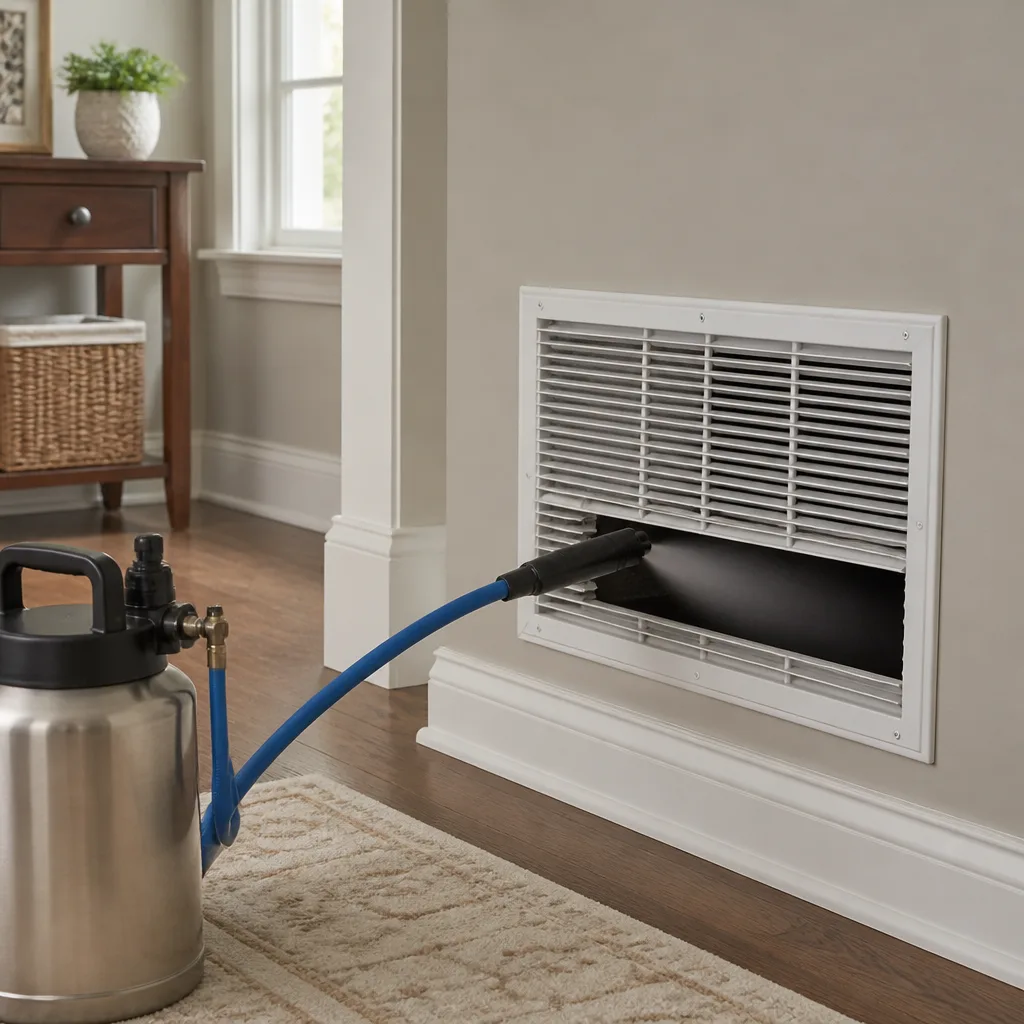 Sanitizing & deodorizing
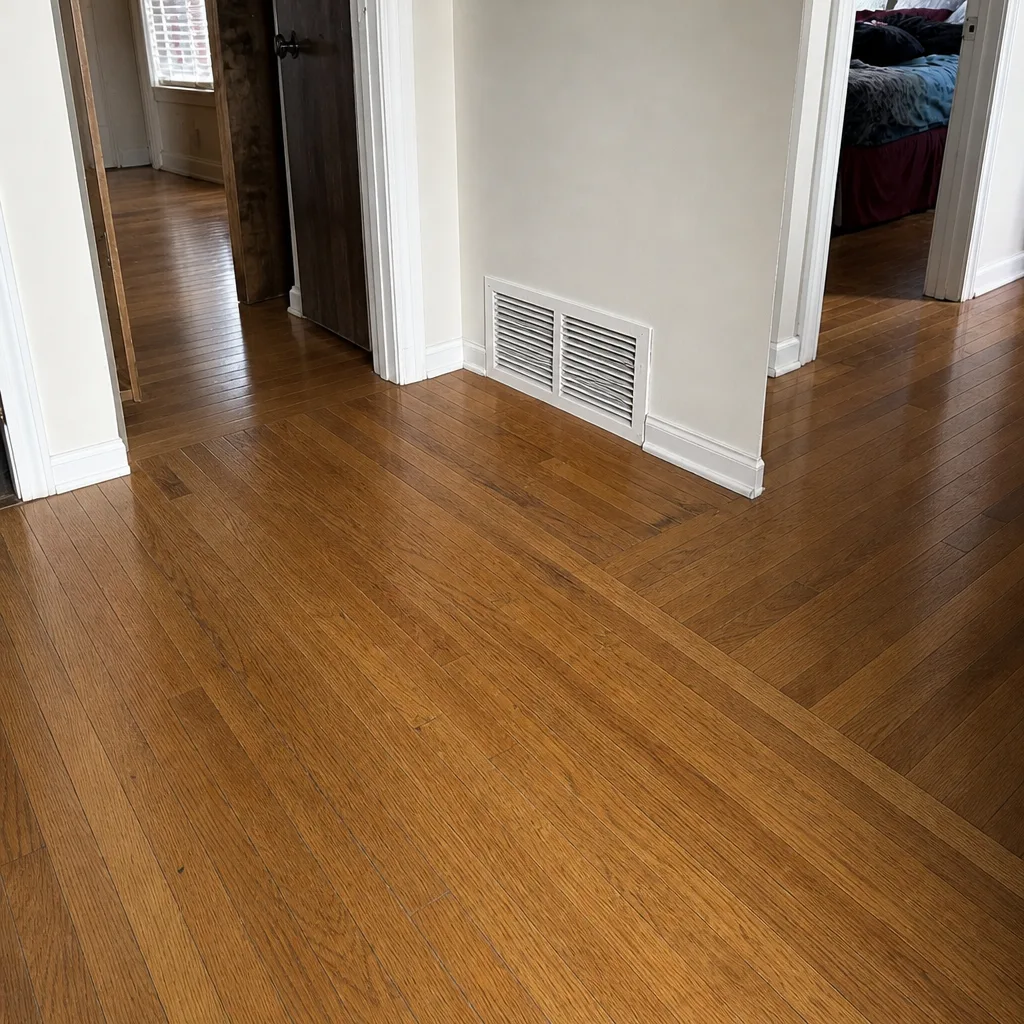
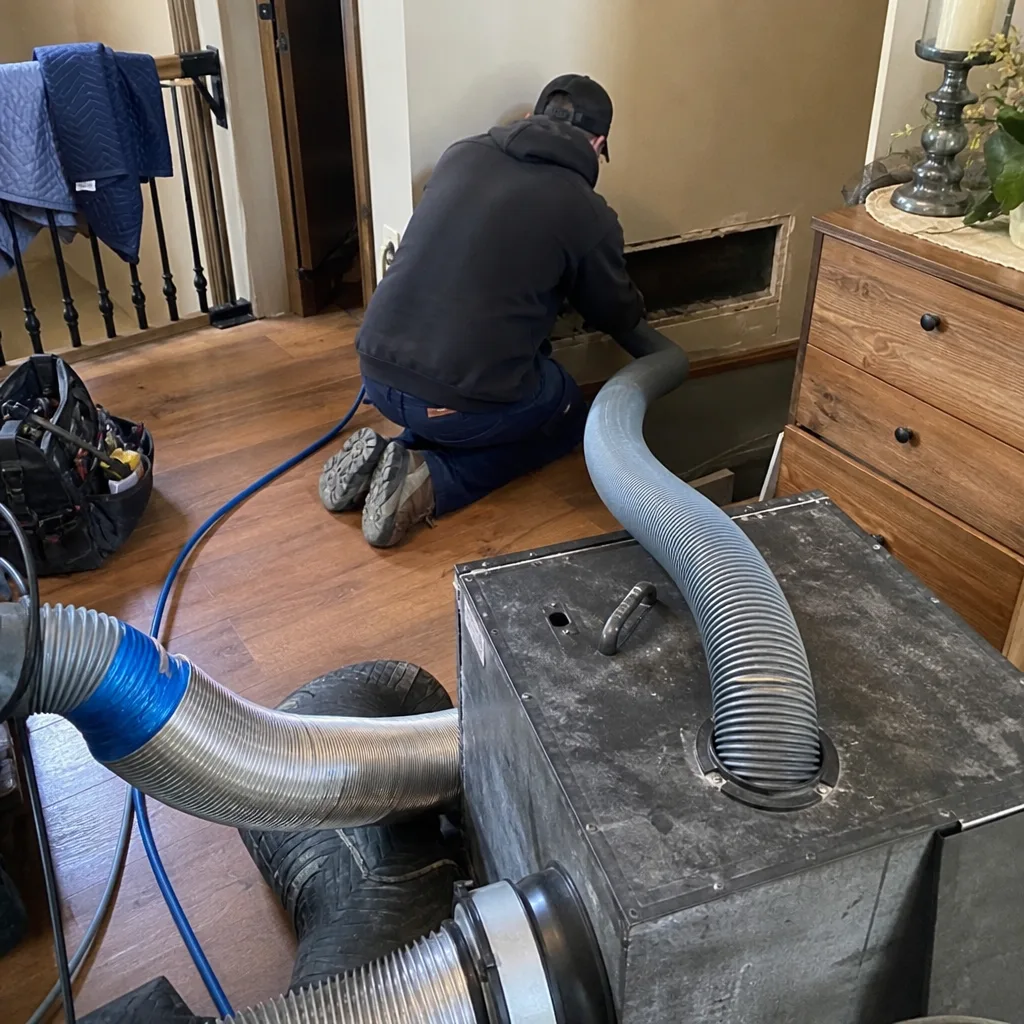
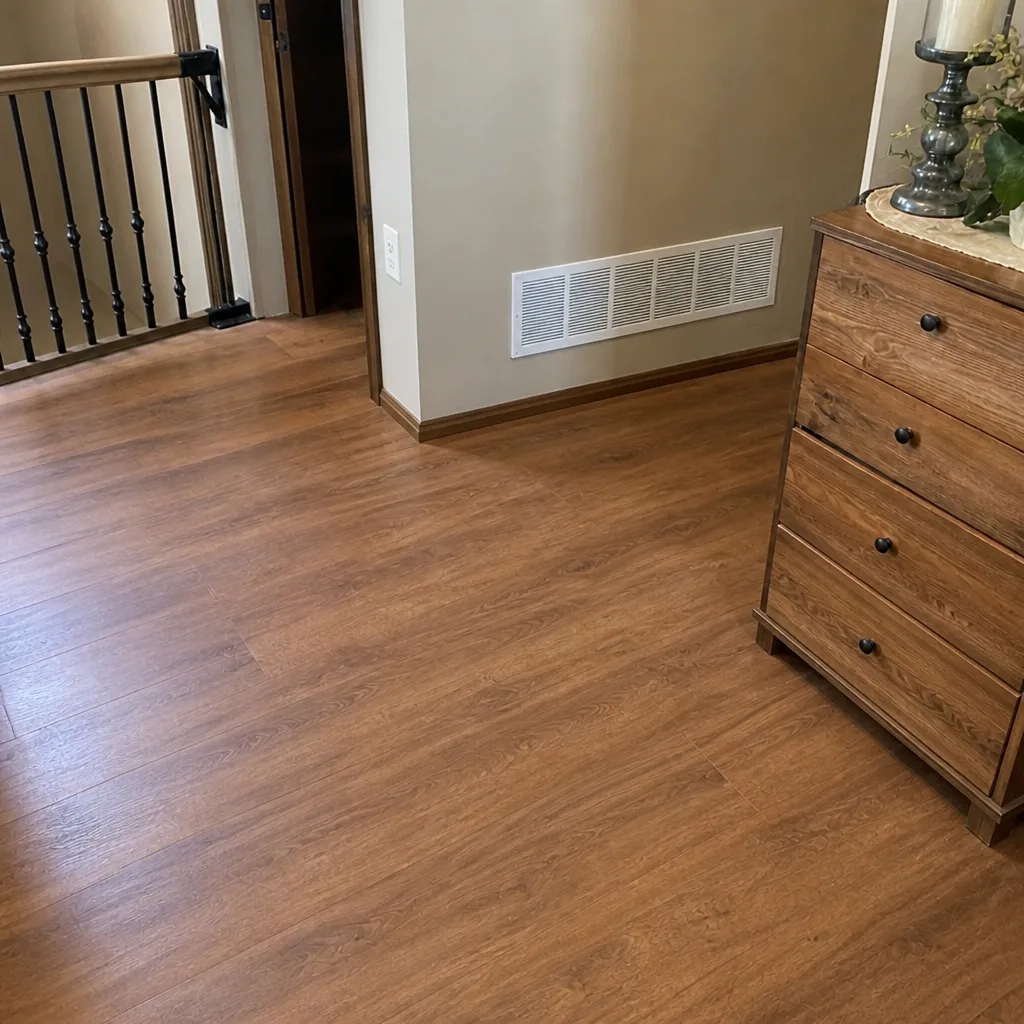
Whole-system duct and dryer vent check with before-and-after photos - you see exactly what came out of your vents
That "$99 whole-house special" is a bait ad - the real number appears once they are in your hallway, or the "clean" is a shop-vac at the register. We photograph the inside of your ducts before and after instead.
Seasonal Air Duct Cleaning Care for Aurora: Year-Round Homeowner’s Guide
Most homeowners clean their ducts when the calendar says so, or when a coupon lands in the mailbox. That’s backwards. The best time to clean your ducts isn’t an arbitrary anniversary – it’s the specific moment when your ductwork is holding the most debris and the least likely to spread it through your home. In Aurora, that moment arrives in a narrow window each spring, right after the furnace shuts off and before the air conditioner takes over. Miss it, and you’re pushing winter’s accumulation into every room for the next three months. This guide walks through what each Aurora season puts into your ducts, how to time cleaning against your system’s mode changes, and how a seasonal observation habit catches problems before they become emergency calls. You’ll finish knowing exactly when to act, and why.
Quick Answer
The best time to clean air ducts in Aurora is late spring, in the inspection window between heating season’s end and air conditioning season’s start. At that point, your ductwork holds a full winter of heating debris plus incoming spring pollen, and cleaning before the cooling system turns on keeps that mix out of your living space. Fall cleaning has its own value for households with heavy furnace use, but the spring transition is the highest-value single cleaning moment of the year.
Styles & brands we work with
- Whole-home duct cleaning
- Dryer vent cleaning
- Camera inspection
- Sanitizing & deodorizing
Table of Contents
- Why Air Duct Cleaning in Aurora Should Follow Seasons, Not the Calendar
- What Winter Deposits in Aurora Ductwork
- Spring Is the Highest-Value Cleaning Window
- Why Summer Duct Problems Often Start at the Air Handler
- Fall Prep Tasks Before the Furnace Runs
- A Seasonal Duct Observation Schedule for Aurora Homes
- What Duct Repair Looks Like When Cleaning Turns Up a Problem
- Common Mistakes to Avoid
- When to Call a Professional
- Frequently Asked Questions
Why Air Duct Cleaning in Aurora Should Follow Seasons, Not the Calendar
Aurora sits in a four-season climate where each season hands your ductwork a different load. Winter is heating debris and combustion byproducts. Spring is pollen and mold spore infiltration. Summer is humidity and cooling coil condensate. Fall is insulation disturbance as attic temperatures drop. Cleaning on a fixed annual date ignores all of that. It might land in the middle of a low-deposit period and miss the high-deposit one entirely.
Think about what your ducts actually do. Your ducts move air through every room, every day. What’s riding in that air changes with the season, and so does what settles on the interior surfaces of the ductwork. A cleaning done in July pulls out a mix of cooling-season particles and whatever winter left behind. A cleaning done in late May pulls out a concentrated winter-and-pollen load right before that load would have entered your living space through the cooling cycle. Same service, dramatically different return.
This is why we frame the work as seasonal rather than annual. When we inspect ductwork in Aurora during the spring transition, we’re looking at a snapshot of everything the heating season left behind. That snapshot is more diagnostic than one taken at any other point in the year. A cleaning that follows the seasons is also a better inspection. The same principle applies to air duct cleaning anywhere in the region, but the Aurora climate gives the seasons distinct signatures worth naming.
What “Seasonal” Actually Means for Ducts
Seasonal care isn’t four cleanings a year. It’s one thorough cleaning timed to the transition where it does the most good, plus seasonal observation the rest of the year. That observation habit is what catches problems while they’re still cheap to fix.
What Winter Deposits in Aurora Ductwork
Winter is the heaviest deposit season for your ductwork, and it’s not only dust. It’s a specific mix of heating season debris, and understanding it tells you what spring cleaning is actually removing.
- Combustion byproducts. If your home has a gas furnace, the heating cycle produces fine particulate that can migrate into return air pathways.
- Heated air’s dust load. Warm air holds more fine dust in suspension, and that dust settles on duct surfaces through the heating months.
- Dry-air static buildup. Winter indoor air is drier, which lets particles cling to duct walls longer instead of settling out of the airstream.
- Seal gaps reopening. Expanding and contracting ductwork across a hard freeze cycle can widen small gaps where unfiltered air leaks in.
By the time the furnace runs its last cycle of the season, your ducts hold a full winter of this accumulation. That’s not a household hygiene problem. It’s a material load sitting in the supply pathways that will carry air into every room once the cooling season starts. Getting it out before that switch is the single most useful thing you can do for your indoor air quality in Aurora each year.
Why Winter Isn’t the Time to Clean
Cleaning mid-winter has less value because the system keeps adding to the load right after the cleaning. You’d be paying for a fresh start you immediately spend again. The deposit period isn’t over yet.
Spring Is the Highest-Value Cleaning Window
The spring transition is the highest-value cleaning window of the year in Aurora, because it’s the only moment when the ducts hold a full winter of accumulation and the system is about to switch operating modes. Cleaning in that gap means the cooling season runs on clean pathways.
Here’s how to think about the timing. You want to clean after the furnace has finished its last regular heating cycle but before you run the air conditioner consistently for the first time. That gap is usually a few weeks in the Aurora spring, and it’s the diagnostic moment a technician can read the most from.
- Check your filter’s condition as heating season ends. A filter that loaded up fast is a signal that return-side debris is high.
- Look at supply registers. Fine dark dust on the register slats or streaks on nearby ceiling paint suggest what’s coming through the supply side.
- Note any new smells at the return. A musty or stale smell after a heating season is a reason to inspect before the cooling season amplifies it.
- Book the cleaning before the first real cooling cycle. Cleaning after the AC has run for a month means a month of accumulated debris has already passed through the system.
- Ask for before-and-after photos of your own ducts. You should see the interior surfaces of your ductwork, not a generic stock image.
Spring also brings pollen and early mold spore infiltration, which is why the timing matters both ways. You’re cleaning out what winter left and getting ahead of what spring is bringing in. Getting the ducts clean before the cooling coil starts pulling in outdoor air through the return gives the system a cleaner baseline for the season.
Why Summer Duct Problems Often Start at the Air Handler
In Aurora summers, the duct problem you notice in July often started at the air handler, not in the ducts. Humidity and cooling coil condensate are the real culprits, and the symptoms mimic a duct cleaning problem.
Your cooling system pulls moisture out of the air at the evaporator coil. That moisture should drain away through the condensate system. When the drain pan or condensate line isn’t draining cleanly, standing water sits near the air handler and creates a humid pocket the supply airflow passes over. That produces a musty smell at the registers that feels like a duct problem. Cleaning the ducts won’t fix it if the source is a slow drain.
How to Tell the Difference
- Smell correlates with cooling cycles. If the musty smell shows up a few minutes after the AC starts and fades when it stops, look at the air handler and drain pan first.
- Duct-derived odors are usually constant. If the smell is present whether the fan is on or off, the ducts themselves are the more likely source.
- High humidity in specific rooms. Uneven humidity between rooms can point to duct leakage, not coil condensate.
- Visible wetness near the air handler. Any standing water in the drain pan is a condensate problem to solve before cleaning the ducts will help.
We’re an air duct specialist, not an HVAC repair company, so when the source is the condensate system we say so plainly. That honesty is how this work should be done. The best practitioners tell you which problem you actually have. If it’s the ducts, we clean and repair. If it’s a drain line, we tell you the right trade to call.
Fall Prep Tasks Before the Furnace Runs
Fall in Aurora is about preparation, not cleaning. The task is to make sure your ductwork and the air handler are ready for the heating season before the furnace runs for the first time. A handful of checks done before the first cold night save you a surprise call later.
- Walk your supply registers. Open each one and look at the inside of the boot and grille. Heavy dust here means the ducts above it haven’t been cleaned since spring.
- Stage your filters. Have a fresh filter ready to install at the start of heating season. Changing it before the furnace runs, not after, keeps the first month of heated air cleaner.
- Check the return grilles in high-traffic rooms. Living rooms and bedrooms carry more dust load.
- Run the system briefly and listen. A whistle, rattle, or uneven airflow from a register can point to a duct leak or a loose connection before it becomes a bigger failure.
- Look at the attic. As outside temperatures drop, attic air cools, and poorly sealed attic ductwork can pull that colder, dustier air into the system. Fall is when insulation disturbance around ducts shows up.
- Note any cold spots. Rooms that ran cold last winter are worth mentioning to a technician doing a fall pre-season check.
If any of those observations turn up a duct problem, fall is the right time to fix it. Fixing a leak or a disconnected run in October means a full heating season of correct delivery. Fixing it in January means a season already half-wasted.
A Seasonal Duct Observation Schedule for Aurora Homes
A simple observation rhythm catches developing duct problems in the low-stakes months and reduces emergency service calls. It’s about noticing, not doing. Each season’s check is short and worth doing.
Winter Observations
- Watch for new dust on registers compared to fall. Rapid buildup points to leaks pulling in unfiltered air.
- Listen at the return after a heating cycle ends. Persistent odor is worth noting for spring inspection.
- Keep the filter clean so the observation stays meaningful.
Spring Observations (Cleaning Window)
- Book the cleaning in the transition period between heating and cooling.
- Ask for before-and-after photos of your ductwork.
- Any duct damage found during cleaning should be addressed in the same visit if possible.
Summer Observations
- Watch for musty smell tied to cooling cycles. That’s usually the air handler.
- Check for standing water in the condensate pan if you can see it safely.
- Note rooms with uneven cooling. Unevenness is a duct routing or leak signal.
Fall Observations
- Register, filter, and system test before heating season starts.
- Look in the attic for disturbed insulation around duct runs.
- Fix any found leak or connection before the first cold stretch.
We work with the Aurora Duct Cleaning team across all four of these seasons, and the schedule above reflects what we actually see work. A homeowner who does these checks and books one well-timed cleaning a year is in better shape than one who cleans three times on impulse.
What Duct Repair Looks Like When Cleaning Turns Up a Problem
Cleaning often finds duct damage, and finding it is a good thing. Disconnected runs, crushed flex sections, and leaking joints are common in homes that have had any renovation, roofing work, or attic insulation change. When the cleaning process turns one up, it’s better to fix it in the same relationship than to hand you off to a second contractor.
This is where our approach differs from a single-service cleaning. We don’t just clean – we inspect and repair. The equipment matters here too. Professional-grade duct cleaning systems from Rotobrush and Nikro, and familiarity with how ductwork connects to Honeywell and Aprilaire indoor air quality systems, let us see how a repair integrates with the whole system instead of treating each run in isolation. That matters because a duct repair done wrong can create airflow imbalance that shows up as hot or cold rooms a season later.
Signs a Duct Repair Is Needed
- Loose joints or visible separation at duct connections
- Crushed or collapsed flex duct sections
- Disconnected runs feeding a room that never heats or cools well
- Duct tape peeling or failing at seams
- Attic or crawlspace insulation disrupted around duct runs
If a cleaning uncovers one of these, fixing it now is almost always the right call. A leaking duct in an Aurora home is an unfiltered air pathway going into rooms you think you’re heating and cooling cleanly.
Common Mistakes to Avoid
- Cleaning on a fixed annual date. It ignores your system’s actual deposit cycles. In Aurora, the spring transition matters more than any anniversary date.
- Skipping the inspection and only vacuuming vent openings. Surface vacuuming of the registers doesn’t touch the duct interior. The work worth paying for gets behind the vents, not in front of them.
- Mistaking a summer musty smell for a duct problem. In Aurora, a smell that tracks the cooling cycle is often the air handler’s condensate system. Get the source identified before paying for a cleaning that won’t fix it.
- Ignoring a duct leak found during cleaning. A leak found and left unrepaired means the cleaning you paid for is undermined by the leak pulling unfiltered air back in. Fix both in one relationship.
- Choosing on price alone. Cut-rate work is cut-rate for a reason. The right question is whether professional-grade equipment is going to be used on your actual ductwork. Built for the job, not borrowed from a hardware store.
- Forgetting dryer vent cleaning. Lint-clogged dryer vents are a fire risk, and they don’t clean themselves. It’s a separate service from duct cleaning and deserves its own check in the seasonal rhythm.
- Running the system for a month after cleaning with a dirty filter still in place. A fresh filter at the start of each season protects the work you just paid for.
When to Call a Professional
Some seasonal observations belong with a professional rather than a DIY follow-up. Call us if you notice a persistent musty smell that traces to your cooling cycle, visible duct damage in the attic or crawlspace, uneven heating or cooling between rooms that wasn’t there last season, or heavy new dust accumulation on supply registers. Call us too if it’s simply been long enough since the last cleaning, and you want a proper inspection before deciding. The right time to get a trained eye on your ductwork is while the problem is small and the season is still low-stress. Aurora Duct Cleaning offers free estimates in Aurora – call (888) 364-6081. We answer 24/7. Fast dispatch from 7am to 7pm, Sunday through Friday.
Frequently Asked Questions
Once a year is typical for a household with a standard filter and normal dust load, timed to the spring transition between heating and cooling season. Homes with pets, recent renovation, or occupants with allergies may benefit from a cleaning more than once, but the spring window is the highest-value one each year. Call (888) 364-6081 for an exact quote – estimates are free.
Late spring, after the furnace has stopped running regularly but before the air conditioner runs consistently. That narrow window is the only point in the year where your ductwork holds a full winter of accumulation and the cooling system hasn’t yet pushed spring’s pollen load into the house. Call (888) 364-6081 to schedule an inspection – estimates are free.
A musty smell that appears a few minutes after the cooling system starts usually originates at the air handler’s condensate system, not the ducts themselves. Standing water in the drain pan creates a humid pocket the supply air passes over. Duct cleaning won’t fix a slow drain, and we’ll tell you clearly which problem you have. Call (888) 364-6081 for an inspection – estimates are free.
The honest answer is that pricing depends on the size of your system and the access to the ductwork, so a real range comes from a written estimate rather than a coupon headline. The work is priced per system, not per vent, and the written estimate sets the final price. We give one flat price per system agreed before work starts, and you get before-and-after photos of your own ducts. Call (888) 364-6081 for a free estimate.
Cheap quotes typically cover a surface vacuum of the vent openings without an inspection of the duct interior, and without professional-grade equipment built for the job. They may also leave a duct leak unrepaired. What you’re paying for with a proper cleaning is the inspection, the equipment, and a before-and-after record of your own ductwork. Call (888) 364-6081 and we’ll walk you through what the work involves.
You should be able to see the interior of your own ductwork, not a stock photo. Ask for before-and-after photos of your ducts, taken during the visit, and ask what was found and fixed. Cleaner air starts behind the vents, so the evidence should live there too. Call (888) 364-6081 for a free estimate and we’ll show you what the process involves.
Yes, and it deserves its own place in your seasonal routine. Lint-clogged dryer vents are a documented fire risk, and the vent doesn’t clean itself just because the dryer runs. Treat it as a separate seasonal task from duct cleaning. Call (888) 364-6081 to ask about dryer vent cleaning – estimates are free.
The Bottom Line
Seasonal duct care in Aurora isn’t about cleaning more often. It’s about cleaning at the right moment and observing the rest of the year. The spring transition is the cleaning window that does the most good, because it’s the only point where a full winter’s accumulation can be removed before the cooling season pushes it into every room. Fall prep protects the heating season. Summer observations catch air handler problems before they turn into duct problems. Winter is for noticing, not doing. Align your duct care to that rhythm, and you’ll get more from one well-timed cleaning than from three arbitrary ones. Cleaner air starts behind the vents, and the calendar you follow should match the season.
Every cleaning we’re a part of comes with a free estimate, before-and-after photos of your own ducts, and one flat price per system agreed before work starts. Our technicians have up to 10 years of experience, and we work with professional-grade Aurora equipment built for the job. When you’re ready to plan a seasonal inspection for your home, call (888) 364-6081. We answer 24/7. Fast dispatch from 7am to 7pm, Sunday through Friday. Estimates are free, and the written estimate sets the final price.
Written by the team at Aurora Duct Cleaning.
See the difference
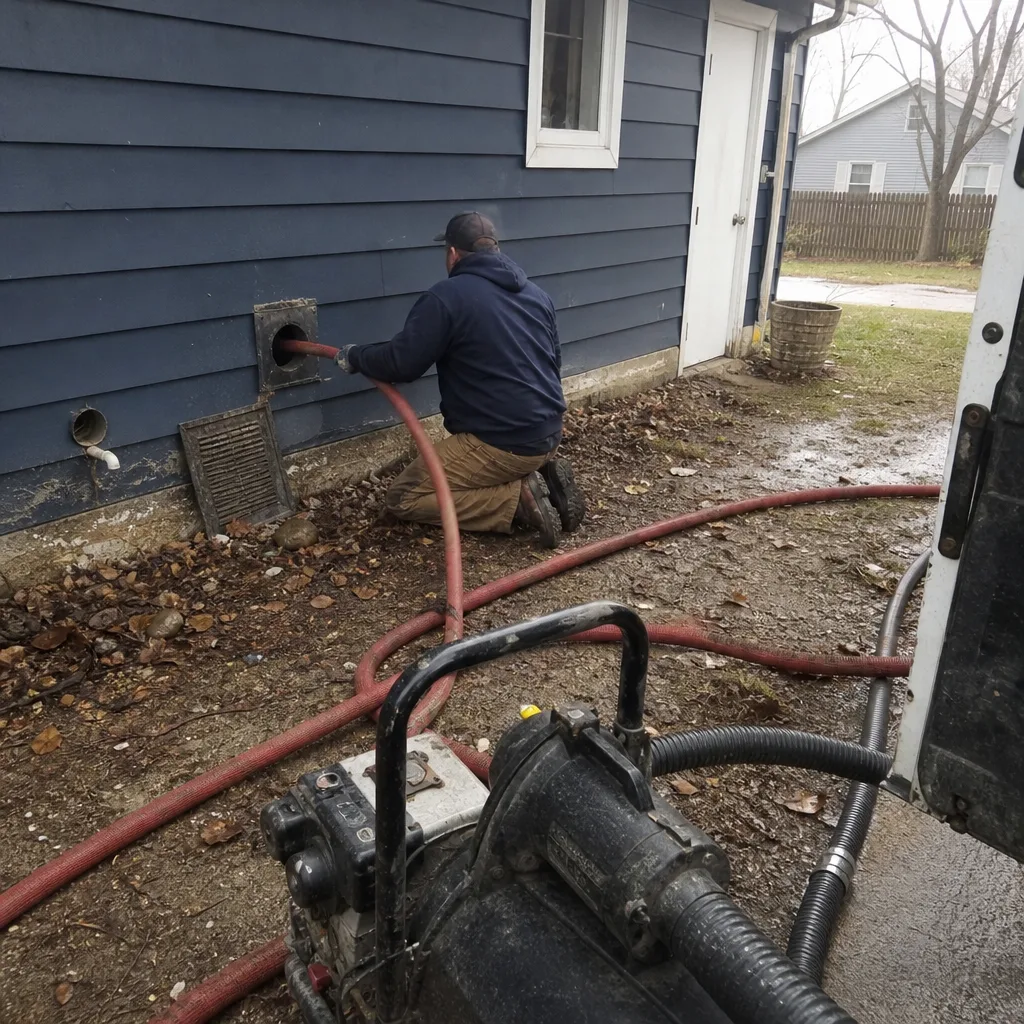 Before
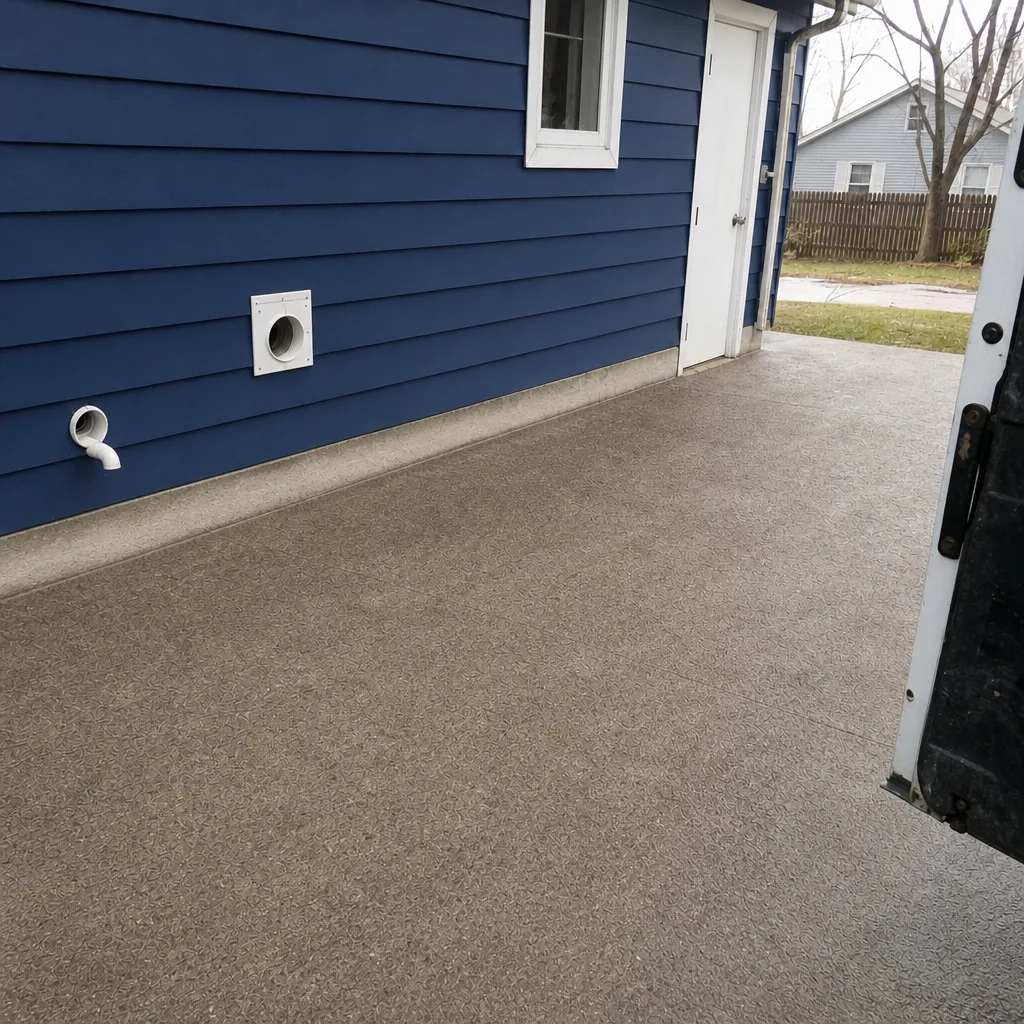 After
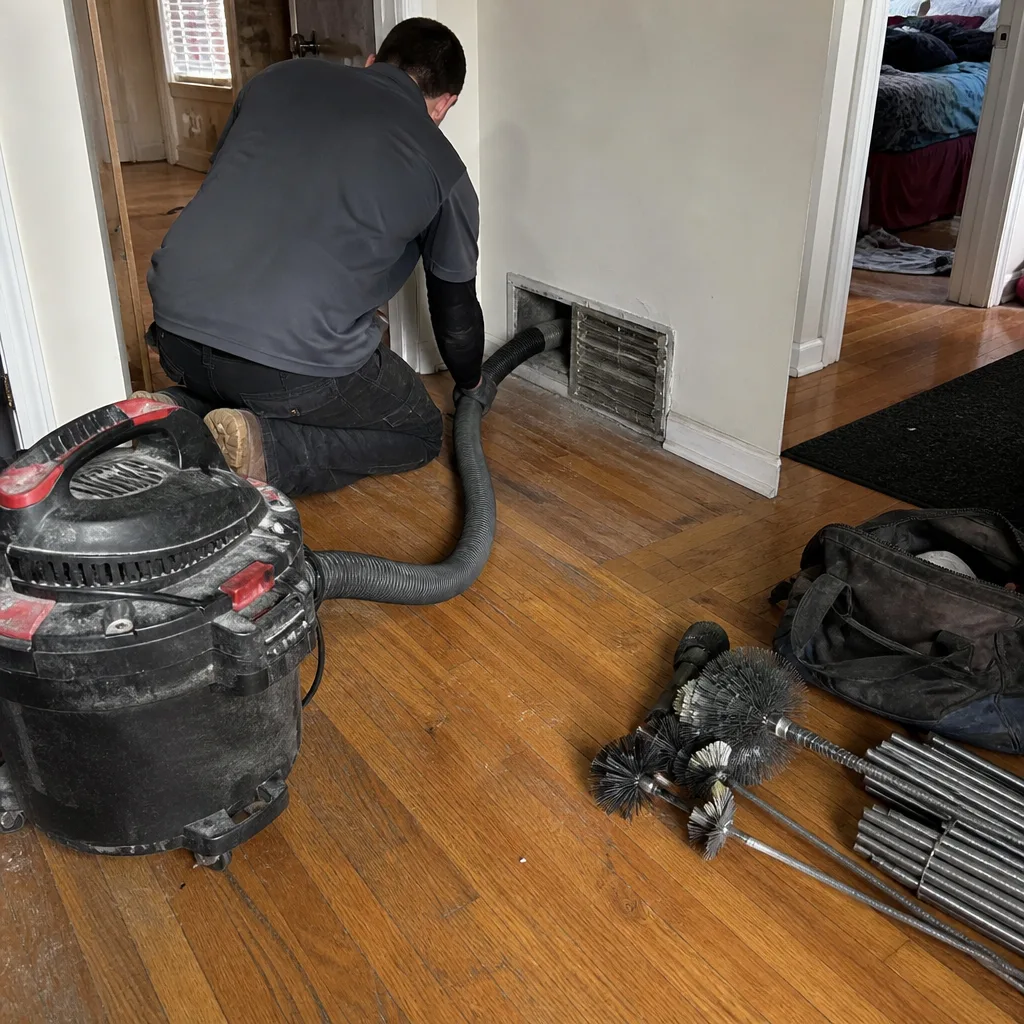 Before
 After
 Before
 After