
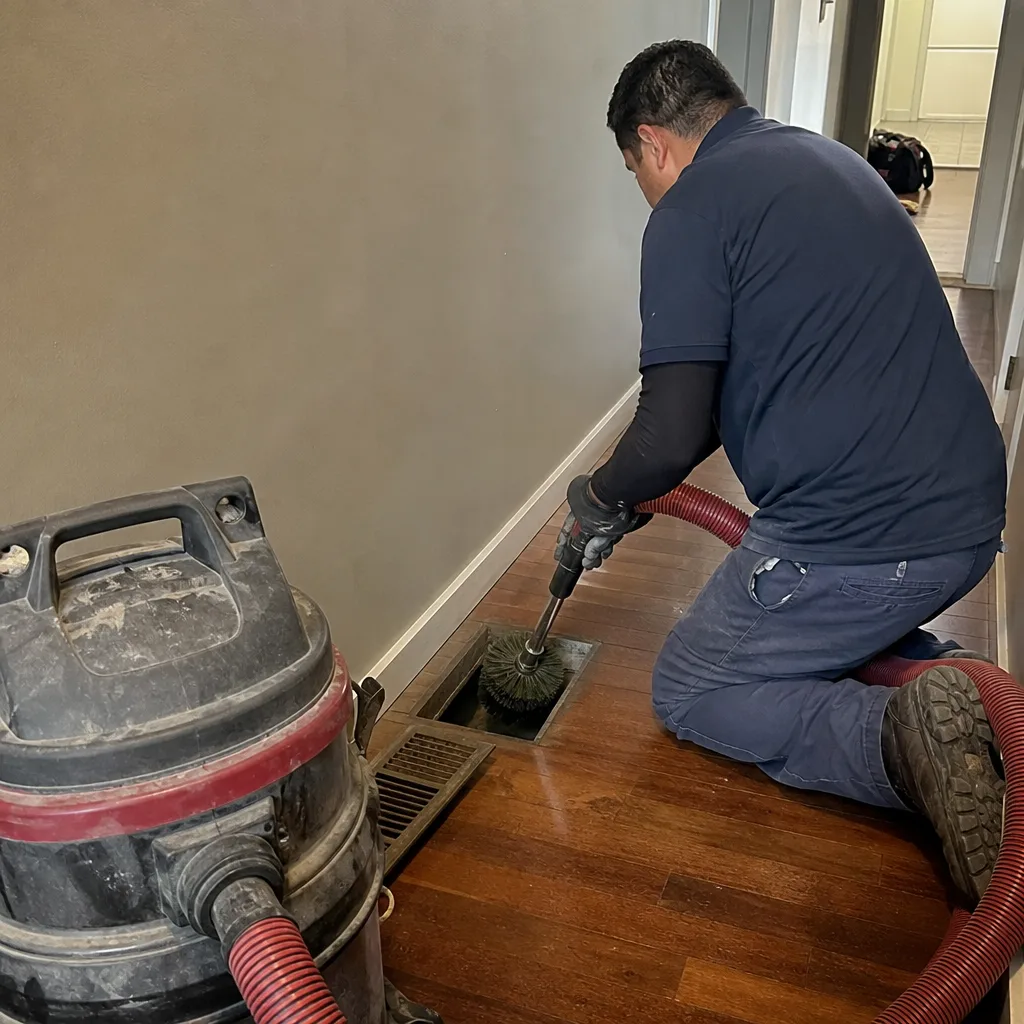
Last updated November 15, 2026
 Whole-home duct cleaning
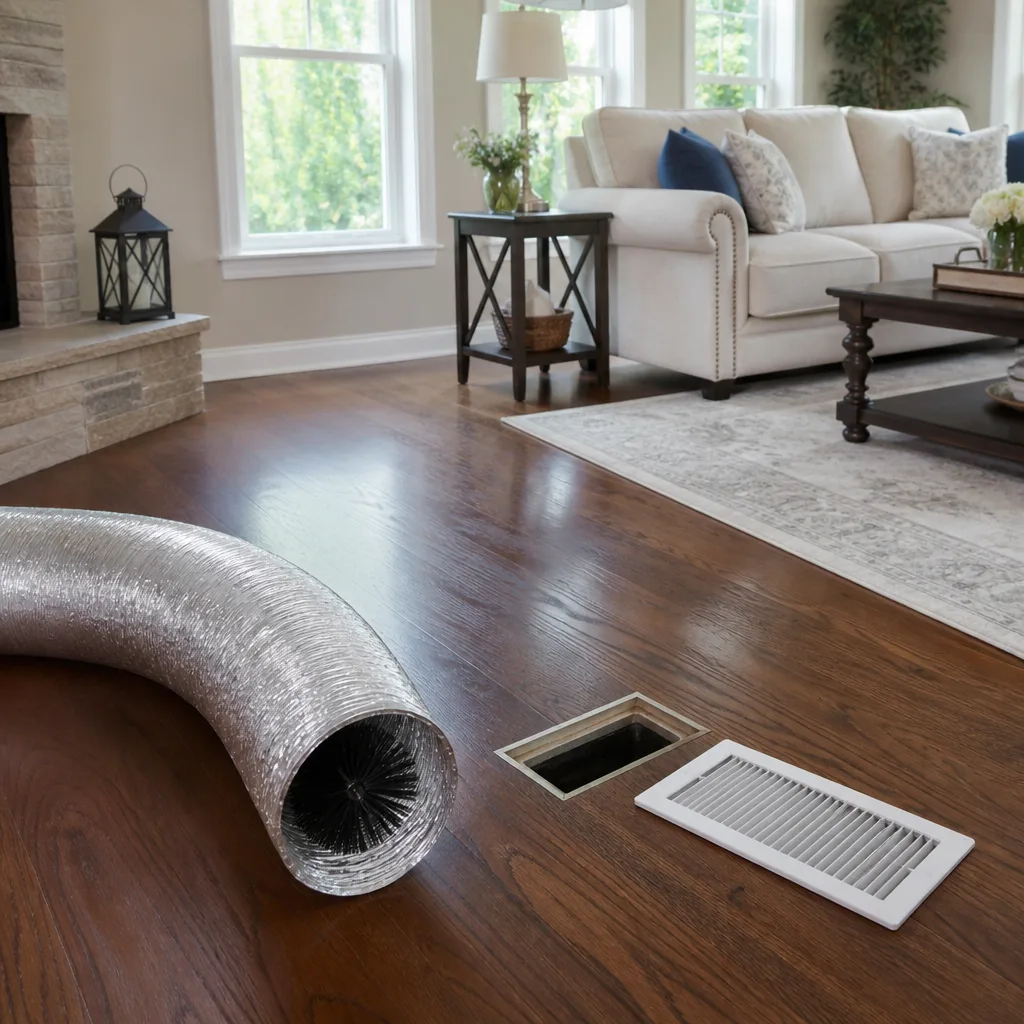
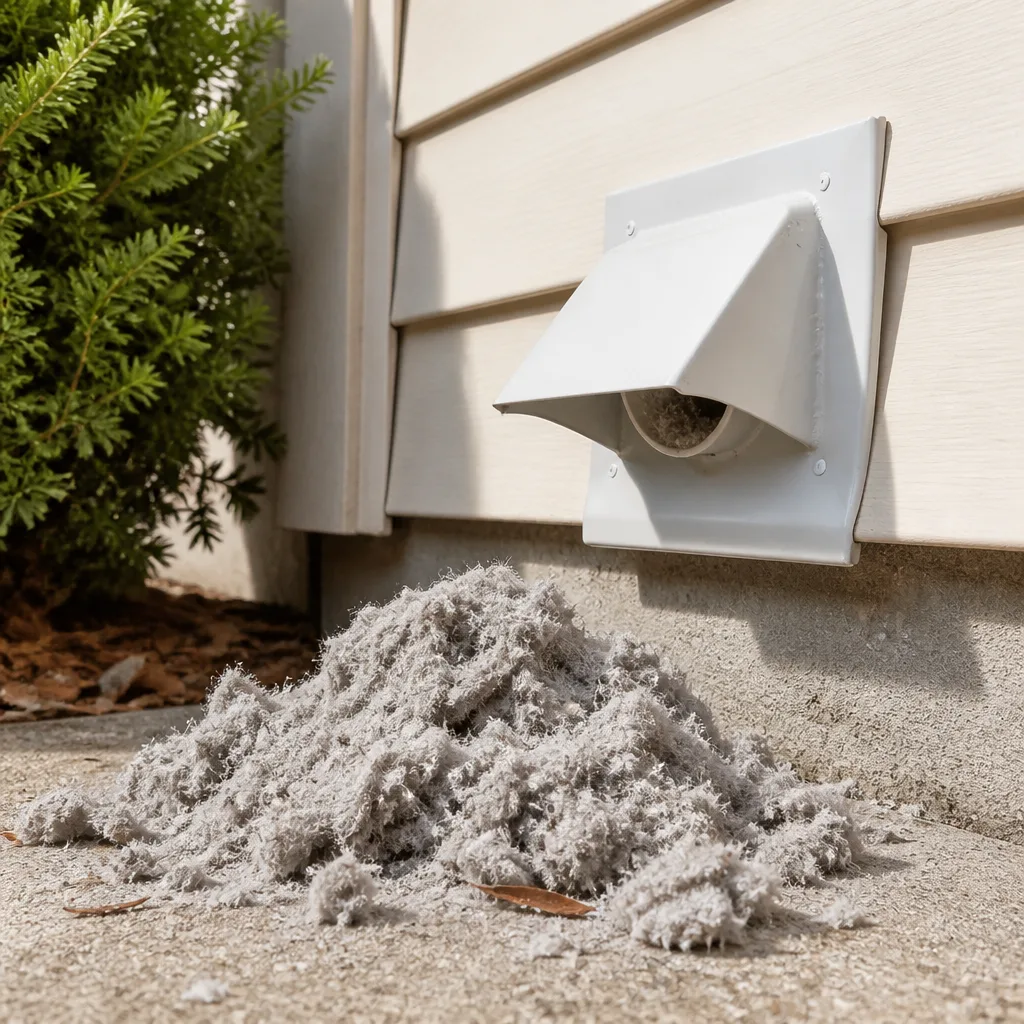 Dryer vent cleaning
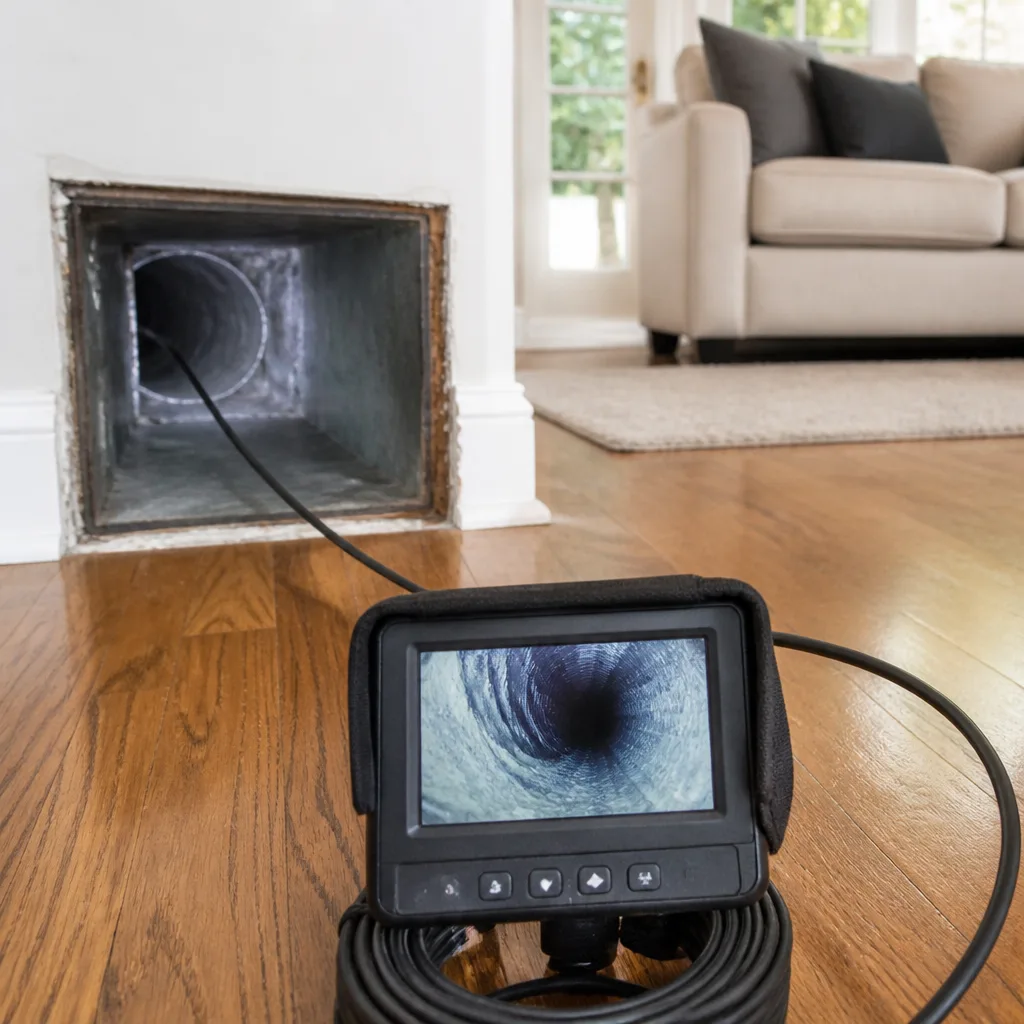 Camera inspection
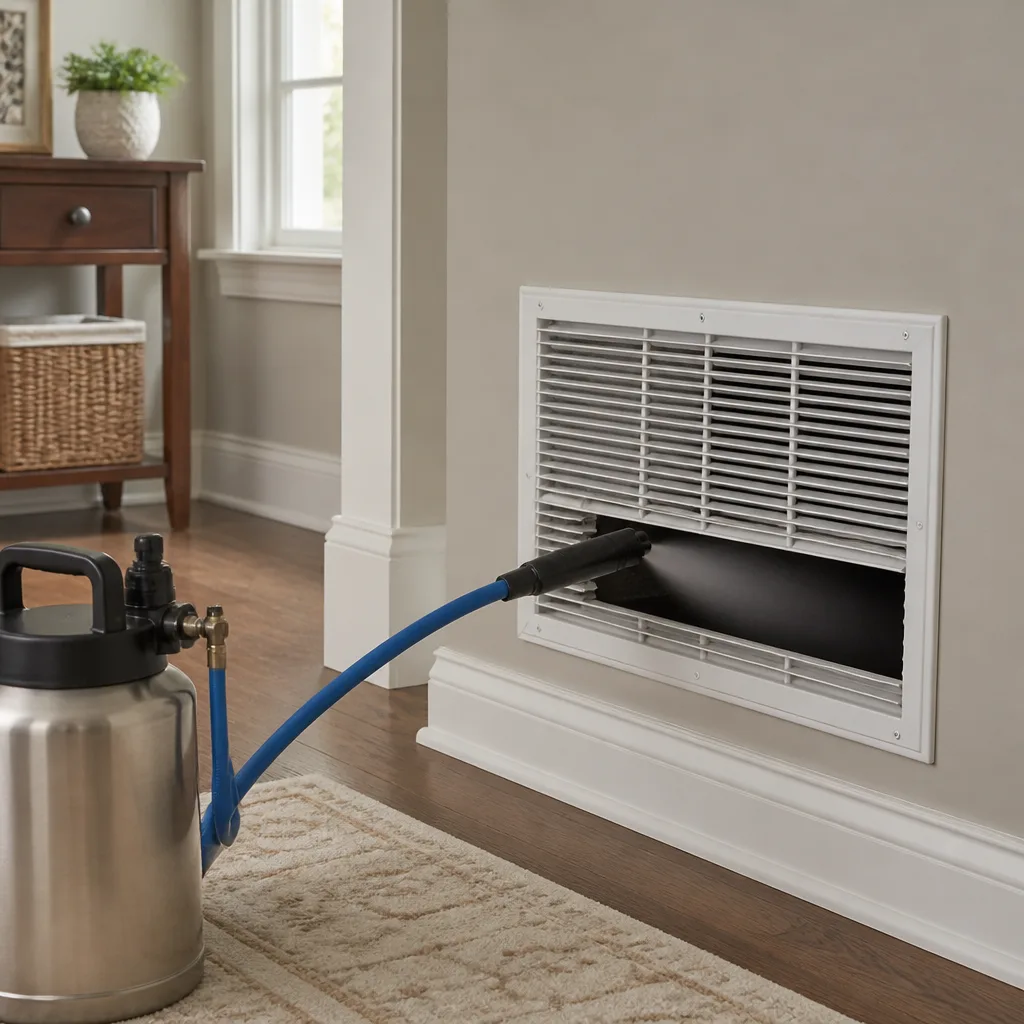 Sanitizing & deodorizing
Whole-system duct and dryer vent check with before-and-after photos - you see exactly what came out of your vents
That "$99 whole-house special" is a bait ad - the real number appears once they are in your hallway, or the "clean" is a shop-vac at the register. We photograph the inside of your ducts before and after instead.
Air Duct Cleaning Cost Breakdown: The Aurora Homeowner’s Reference for 2026
A $149 whole-house quote and a $650 whole-house quote can both be fair prices, for completely different services. That’s the part most Aurora homeowners never get told. The number at the bottom of the estimate doesn’t mean much until you know what’s behind it: how many registers were counted, what equipment shows up, whether anyone actually looked inside the system before pricing it. This guide breaks down what drives air duct cleaning cost in Aurora in 2026, what belongs in a base quote and what’s legitimately extra, and how to compare two bids that were never really comparable to begin with. By the end, you’ll know exactly which questions separate a real scope of work from a number someone guessed at over the phone.
Quick Answer
Air duct cleaning in Aurora typically runs $350 to $700 for a standard single-family home in 2026, with larger homes and heavily contaminated systems landing at $600 to $1,100 or more. That range reflects whole-system cleaning with professional-grade equipment, not a per-vent count. The written estimate you receive after an inspection is what sets the final price, and it should spell out exactly what’s included.
Styles & brands we work with
- Whole-home duct cleaning
- Dryer vent cleaning
- Camera inspection
- Sanitizing & deodorizing
Table of Contents
- Why Duct Cleaning Quotes in Aurora Vary So Widely
- The Five Cost Drivers in Aurora Residential Duct Cleaning
- 2026 Price Ranges for Aurora Homes by Size
- What’s Included in a Base Quote vs. What’s Legitimately Additional
- Why Truck-Mounted Negative Pressure Costs More Than a Portable Unit
- Pricing Structures That Signal Low-Quality Work
- How to Compare Duct Cleaning Bids in Aurora, Step by Step
- When to Call a Professional
Why Duct Cleaning Quotes in Aurora Vary So Widely
Two Aurora homeowners with similar 2,000-square-foot houses on the same side of town can get quotes hundreds of dollars apart, and neither company is necessarily dishonest. The gap usually comes down to scope. One bid might cover a light surface vacuum of the accessible trunk line and the registers you can see. The other might cover the full supply and return system, the plenum, the blower compartment, and the interior surfaces of every branch, using negative pressure equipment that pulls debris out of the house entirely instead of stirring it into the room.
Aurora’s housing stock makes this gap especially visible. The city has a wide mix of building ages, from mid-century ranches near the river to newer construction out along the corridors, and duct systems reflect that. Older homes often have rigid sheet metal with decades of accumulated dust, sometimes with disconnected joints or crushed flex runs hidden above ceilings. Newer builds lean on flex duct, which is faster to install but easier to damage and harder to clean thoroughly if the technician isn’t careful with air pressure and agitation tools. A company pricing a light surface pass and a company pricing a full restoration-level clean are quoting two different jobs for two different conditions.
The practical takeaway: don’t compare totals until you compare scopes. Ask each company what they’ll physically clean, what equipment they’ll use, and whether anyone will inspect the system before the price is final. Then compare. That’s the whole game.
The Five Cost Drivers in Aurora Residential Duct Cleaning
Every legitimate duct cleaning quote in Aurora comes back to the same handful of variables. Understanding them lets you read a bid and see exactly where the money is going.
1. Home square footage
Square footage is a rough proxy for how much ductwork exists. A 1,200-square-foot ranch might have four or five supplies and one or two returns. A 3,000-square-foot two-story could have fifteen supplies, three returns, and a long trunk run through an unconditioned attic. More duct means more time, more access points, and more equipment runtime.
2. Number of supply and return registers
This is the number most per-vent pricing is built on, which is also why per-vent pricing is a problem (more on that below). Register count matters, but only as one input. A home with many short branch runs is genuinely easier per register than a home with long, complex runs that need individual access cuts.
3. Duct material type
Rigid sheet metal cleans predictably. Flex duct takes more care because aggressive brushing can tear the inner liner, and once that liner is compromised the duct needs replacement, not just cleaning. Ductboard, common in some older Aurora builds, can shed fibers if handled wrong. A quote that ignores material type is a quote written blind.
4. System accessibility
Some systems are wide open. Others are boxed into finished basements, run through soffits, or tucked behind drywall with no access panels. Every inaccessible section either requires cutting an access point (and restoring it) or has to be acknowledged as out of scope. A transparent bid states which.
5. Degree of contamination
This is the wildcard, and it’s why a phone quote is always a guess. A system that’s been maintained, has a good filter schedule, and shows light dust cleans fast. A system with visible debris accumulation, rodent evidence, mold-like growth on interior surfaces, or post-renovation construction dust is a different job entirely. That’s where equipment capability starts to matter, and where a professional assessment before pricing becomes essential.
2026 Price Ranges for Aurora Homes by Size
These are typical estimated ranges for whole-system cleaning done properly, with the written estimate setting the final price. They assume a standard residential system in average condition. Heavily contaminated systems, complex layouts, or added services push toward the higher end or beyond.
| Home Size | Typical Register Count | Estimated Range (2026) | What Pushes Toward the High End |
|---|---|---|---|
| Under 1,200 sq ft | 4-6 supplies, 1-2 returns | $300 – $450 | Rigid duct in older construction, restricted attic access |
| 1,200 – 2,000 sq ft | 6-10 supplies, 2 returns | $350 – $600 | Long trunk runs, flex duct needing careful handling, moderate buildup |
| 2,000 – 2,800 sq ft | 10-15 supplies, 2-3 returns | $500 – $800 | Two-zone systems, multi-story access, dual air handlers |
| 2,800 – 3,500 sq ft | 15-20 supplies, 3+ returns | $700 – $1,000 | Multiple systems, finished basement runs, high contamination |
| Over 3,500 sq ft or multiple systems | Varies | $900 – $1,400+ | Two or more full systems, extensive access work, heavy debris |
A few Aurora-specific notes on this table. Homes with finished basements often add duct runs that weren’t in the original system, which means more registers than the square footage alone suggests. Homes near the river corridors tend to have more crawlspace and basement ductwork, which can be simpler to access but sometimes shows more moisture-related surface debris. And newer construction in the outer subdivisions often has flex duct throughout, which takes longer to clean safely than rigid metal even though the register count looks the same. None of these push a job wildly outside its range, but they explain why two 2,400-square-foot Aurora homes can land $150 apart.
What’s Included in a Base Quote vs. What’s Legitimately Additional
A fair base cleaning quote covers the core work: full supply and return cleaning, the plenum, register and grille cleaning, and the blower compartment. If a quote doesn’t state these, ask. What follows are the add-ons that are often legitimate but should always be priced separately and explained, never buried.
- Sanitizing treatments. Applied after cleaning, these address microbial growth on duct surfaces. They’re not a substitute for cleaning and shouldn’t be sold as one. If a system shows mold-like growth, the honest answer is that sanitizing supports the cleaning but doesn’t fix an underlying moisture problem.
- Dryer vent cleaning. A separate service with its own safety case, since lint accumulation in a dryer vent is a documented fire risk. It’s often bundled because it’s convenient to do both in one visit, but it should be quoted as its own line item so you can see what you’re paying for.
- Coil cleaning. The evaporator coil sits near the ductwork and can collect dust that duct cleaning alone won’t remove. It’s sometimes included, sometimes extra. On systems with air duct cleaning as the primary service, coil condition should at least be checked and reported.
- Duct sealing and repair. If the inspection finds disconnected joints, crushed runs, or tears in flex duct, repair is real work with real material cost. A company that can do it in the same visit saves you from hiring a second contractor. That’s one reason we offer air duct repair alongside cleaning rather than treating it as someone else’s problem.
- Access panel installation. Sometimes a section of duct has no way in. Cutting and framing a proper access point is additional work and should be quoted clearly before anyone picks up a saw.
What should never be additional: cleaning the returns, cleaning the registers, or “activating” a service you already paid for. Those are part of the job.
Why Truck-Mounted Negative Pressure Costs More Than a Portable Unit
This is the single biggest cost variable most Aurora homeowners never hear explained, and it’s worth understanding because it’s where the quality gap lives.
A portable shop-style vacuum or a light portable duct unit creates suction at the hose. It pulls some loose dust out of the section it’s connected to, but it doesn’t create meaningful negative pressure across the whole system. Debris in the far ends of branches, in the plenum, or settled on horizontal runs may get agitated and then settle again somewhere else. The homeowner sees a clean register and assumes the system is clean. Sometimes it is. Often it isn’t.
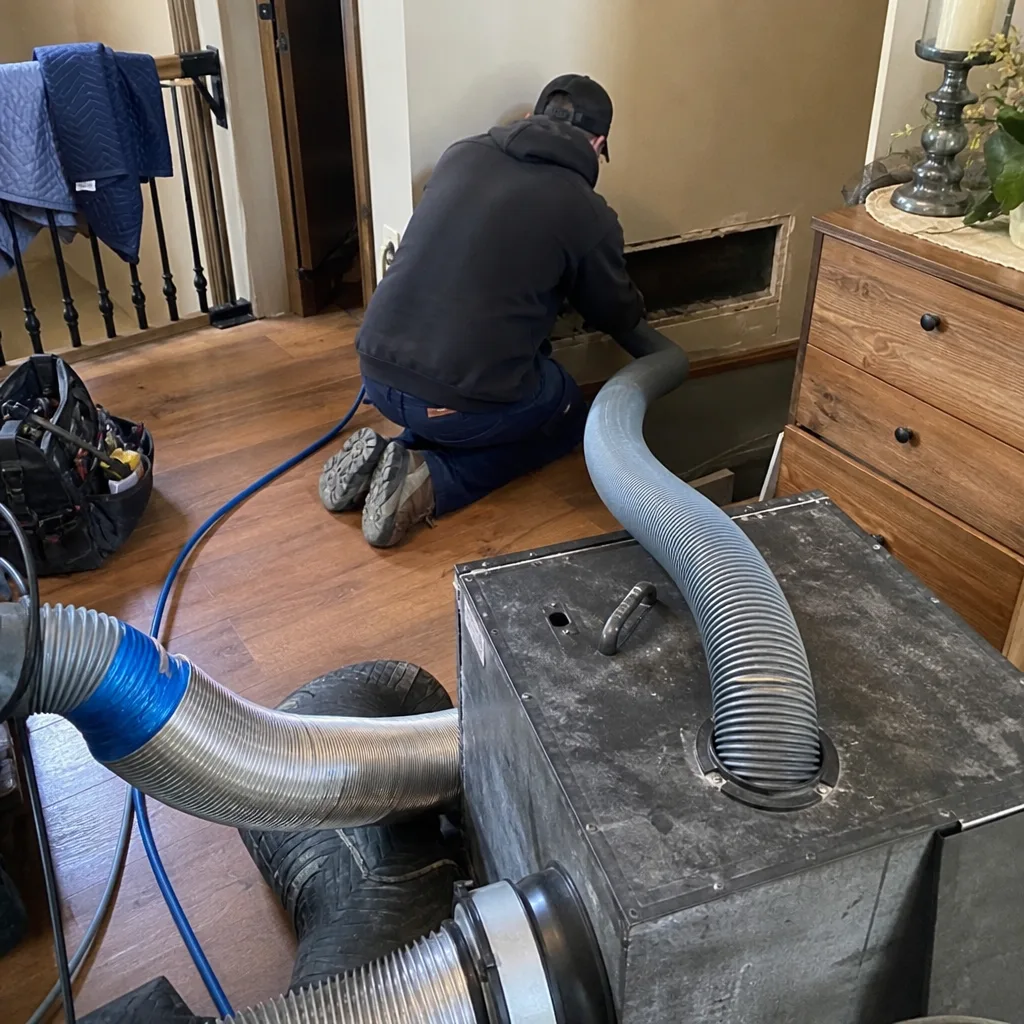
A truck-mounted negative pressure system works differently. A large vacuum unit connects to the main trunk through a dedicated hose, and the entire duct system is pulled into negative pressure before any agitation begins. Then rotary brush and air whip tools are run through each branch, and everything they loosen gets carried out to the collection unit rather than drifting into living spaces. The output difference is substantial in contaminated systems. You can see it in the collection bag.
That capability is what justifies the price gap. Professional-grade equipment like Rotobrush and Nikro systems is built for this work, not borrowed from a hardware store. When a job involves post-renovation debris or heavy contamination, equipment like Abatement Technologies air filtration matters too, because it keeps fine particulate out of the air the occupants are breathing during the work. A company quoting $149 is almost never bringing that equipment. The price difference isn’t a markup on the same service. It’s a different service.
Pricing Structures That Signal Low-Quality Work
Some pricing structures don’t just indicate a cheaper scope. They actively work against you. Here’s what to watch for in Aurora.
Per-vent pricing
When a company charges by the register, the incentive is to count registers, not to clean ductwork. A technician paid per vent has every reason to move fast, treat each register as a checkbox, and skip the trunk line, plenum, and blower compartment entirely. Per-vent pricing also creates an odd dynamic where the homeowner is motivated to underreport their own register count. Nobody wins. A whole-system price removes the counting game and puts the focus where it belongs.
Flat-rate quotes issued without any assessment
If a company gives you a firm price before anyone has looked at your system, that price is a guess. It might be a lucky guess. But it can’t account for contamination level, duct material, access difficulty, or damage. A legitimate quote follows a walkthrough, and if that walkthrough is a two-minute glance at the thermostat, that’s not an assessment. It’s a sales call.
Teaser prices that grow on site
A low advertised price that becomes a much larger invoice once the technician is standing in your basement is the most common complaint in this industry. The defense is simple: ask for the full scope and the full price before any work begins, and get it in writing. One flat price per system, agreed before the work starts, is how it should go.
No before-and-after documentation
If a company cleans your ducts and gives you no visual record of what came out or what the interior surfaces look like afterward, you have no way to know the work happened. Before-and-after photos of your own system are a reasonable request and a good sign when offered without being asked.
How to Compare Duct Cleaning Bids in Aurora, Step by Step
Once you have two or three quotes in hand, the comparison is a process, not a gut check. Here’s how to work through it.
- Check that each bid states the scope in writing. It should name the supply and return cleaning, the plenum, the blower compartment, and grille cleaning. If any of those are missing, the bid is incomplete regardless of price.
- Ask what equipment each company uses. Truck-mounted negative pressure with rotary agitation is the standard for a thorough job. Portable units have their place, but the price should reflect the difference.
- Confirm whether an on-site inspection precedes the final price. A company willing to look first and price second is telling you something about how the work will go.
- Separate the base price from the add-ons. Sanitizing, dryer vent cleaning, coil cleaning, and duct repair should each have their own line. A single lump sum with no breakdown is harder to evaluate and harder to dispute.
- Ask about documentation. Before-and-after photos, a written summary of what was found, and a clear statement of anything that needs repair. If a company finds damaged ductwork, they should be able to fix it rather than hand you a list of other contractors to call.
- Ask what happens if contamination is worse than expected. The best answer is honest: the price changes only if the scope changes, and any change is agreed before work continues. That’s how a one-flat-price-per-system approach works in practice.
Six steps, maybe fifteen minutes of phone and email work, and you’ll have a much clearer picture of what each Aurora quote actually buys.
See the difference
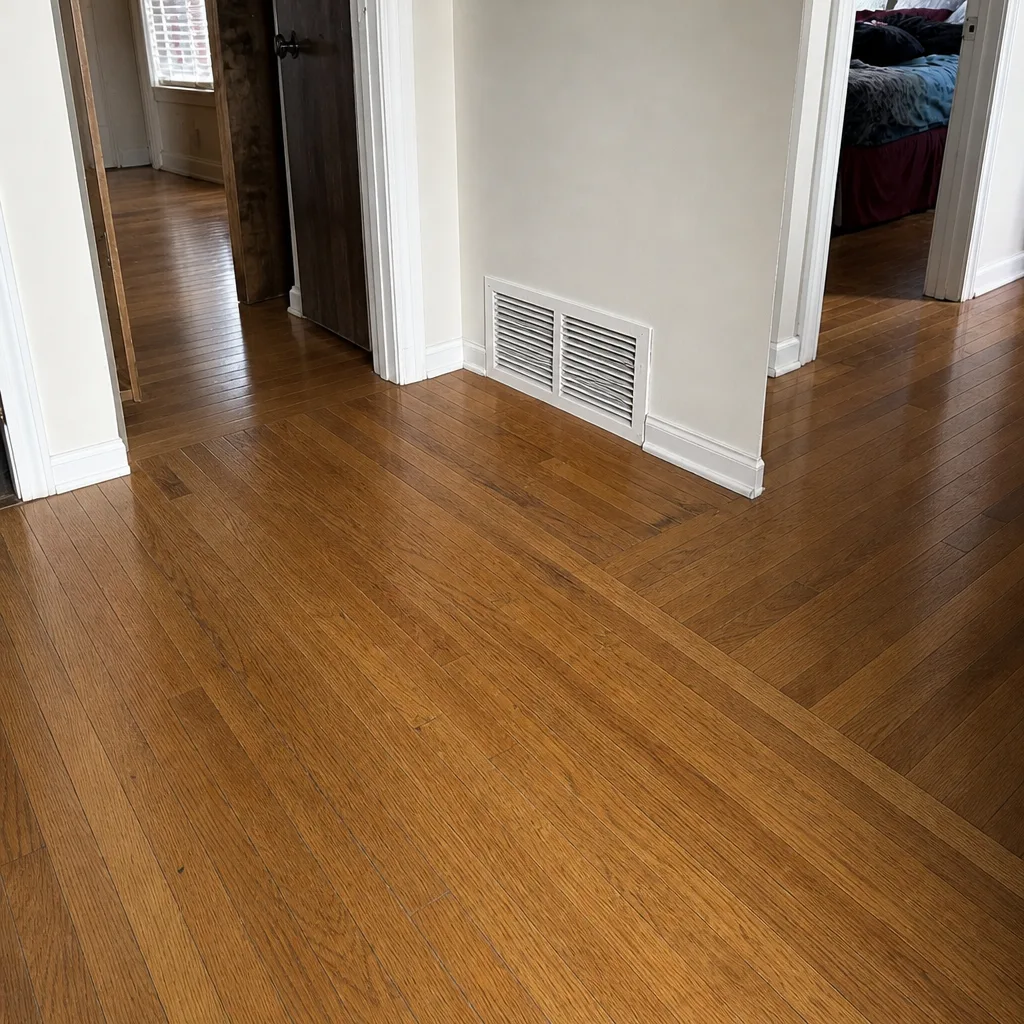
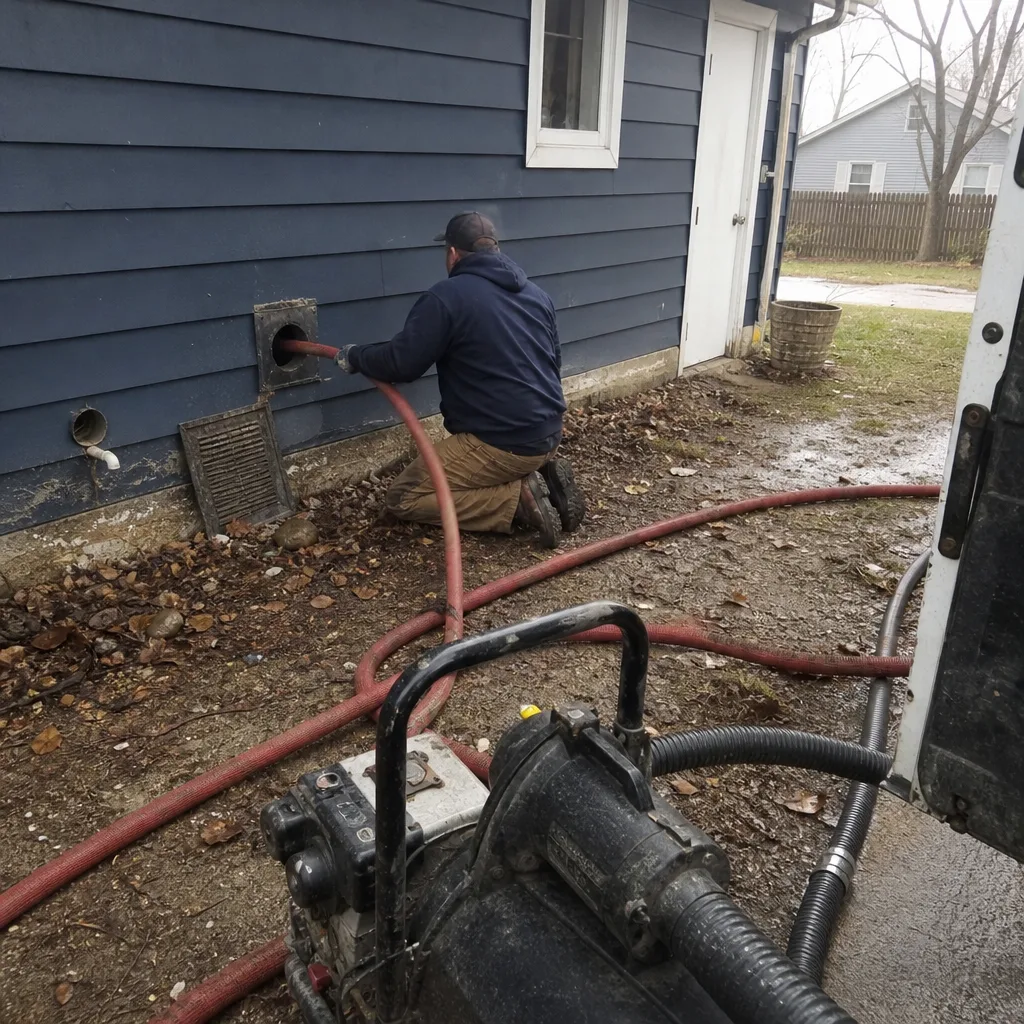 Before
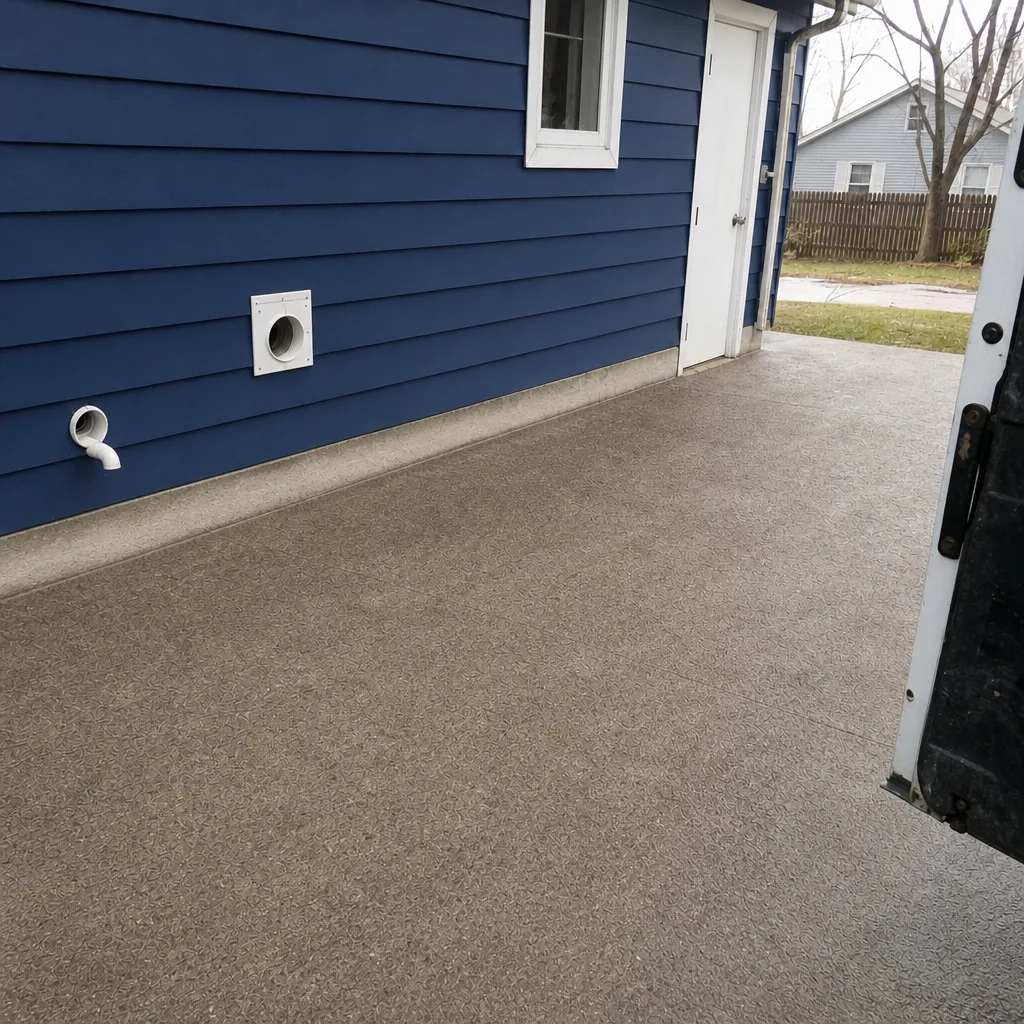 After
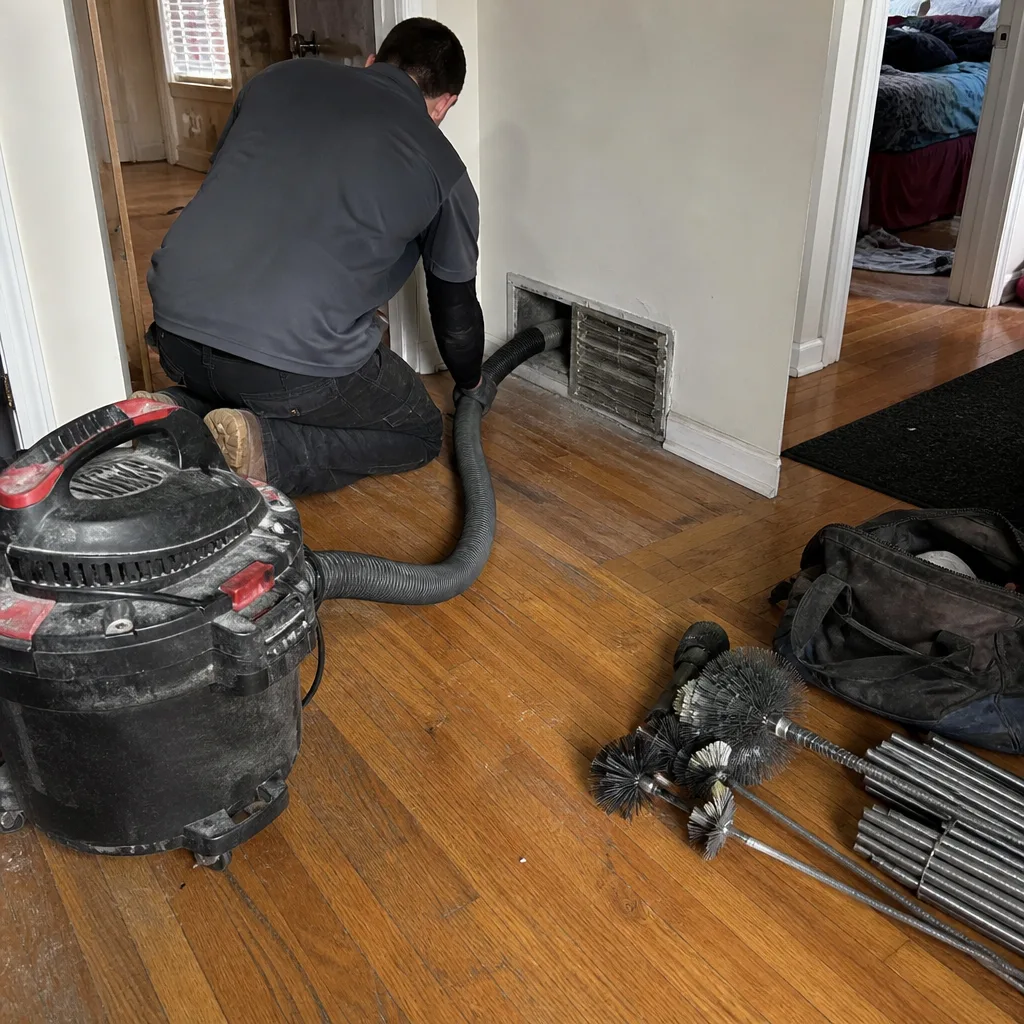 Before
 After
 Before
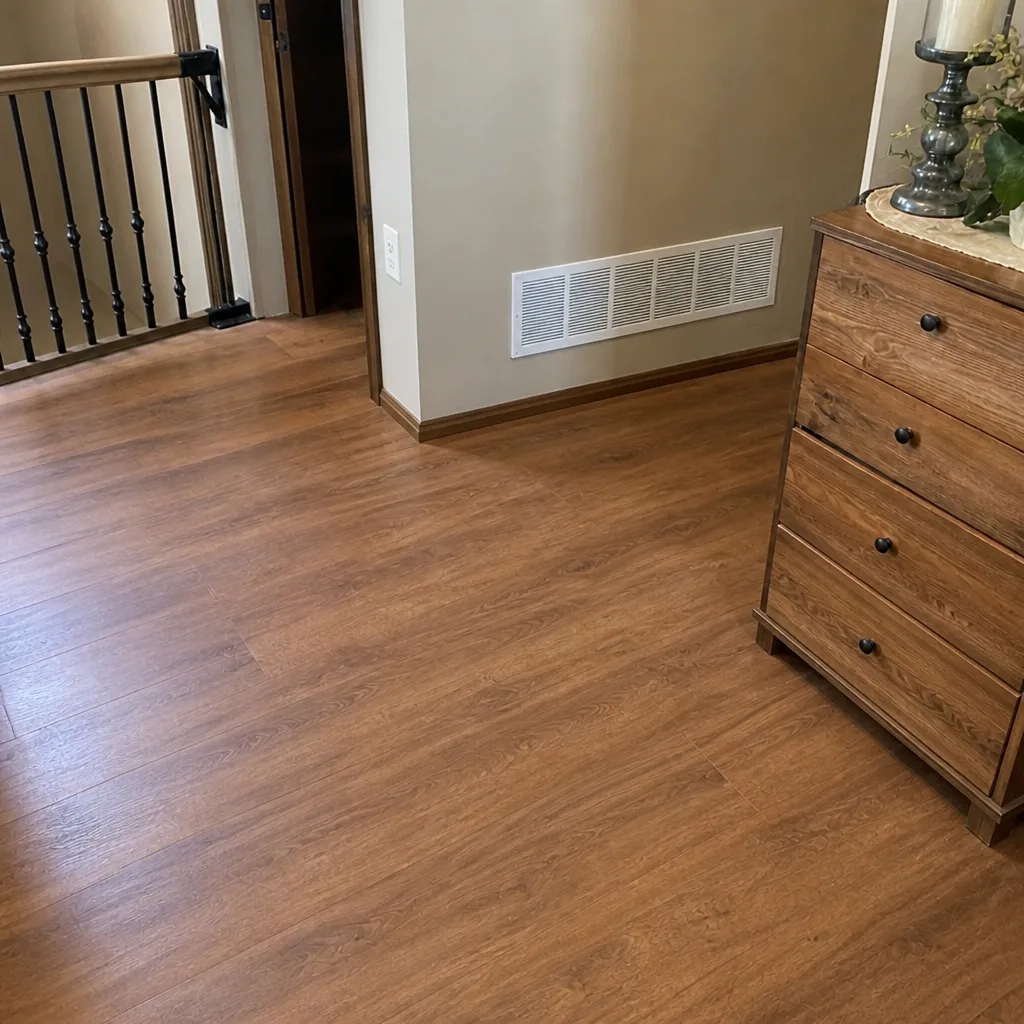 After
Common Mistakes to Avoid
- Choosing on price alone. The lowest quote is usually the narrowest scope, not a better deal. A $149 clean and a $550 clean aren’t competing on the same job. When you line them up side by side with the scope written out, the gap usually makes sense.
- Accepting a phone quote as final. Without an assessment, a phone price is a placeholder. It can’t account for contamination, access, or duct condition, and it’s the number most likely to change once the technician arrives.
- Forgetting the dryer vent. A dryer vent is part of your home’s air and safety systems, and lint buildup in it is a real fire risk. Many Aurora homeowners clean their ducts and leave the dryer vent untouched. Do both, or at least have it checked.
- Skipping the repair conversation. If the inspection finds disconnected joints or torn flex duct, cleaning without repairing just moves debris into a system that will leak it back out. Address the damage while the technician is there.
- Assuming a clean-looking register means a clean system. Registers are the visible end. The trunk line, plenum, and blower compartment are where the accumulation lives. A pass over the registers proves nothing about the rest.
- Not asking for documentation. Before-and-after photos and a written summary are reasonable. If they aren’t offered, ask. A company confident in its work will have no trouble providing them.
- Ignoring the air quality equipment connected to the system. If your home has a Honeywell or Aprilaire IAQ component, the ductwork and the equipment work together. Ask whether the cleaning scope accounts for that relationship, since a technician familiar with those systems will understand how the ductwork connects to whole-home air quality equipment.
When to Call a Professional
Some conditions make a professional visit more urgent than others. If you’ve recently finished a renovation and the ductwork was exposed to construction dust, that’s a professional job, not a vacuum job. If anyone in the home has noticed more dust settling than usual, or if the system’s registers show visible buildup, it’s worth having the system inspected. If the dryer is taking longer to dry loads or the exterior vent flap isn’t opening fully, the dryer vent needs attention. And if a duct cleaning company finds damaged ductwork during a cleaning, that repair should be handled by someone equipped for it, not deferred.
Aurora Duct Cleaning offers free estimates in Aurora. Our technicians have up to 10 years of experience and use professional-grade equipment built for residential duct systems. Call (888) 364-6081 to schedule an assessment.
Frequently Asked Questions
For a typical single-family Aurora home in 2026, whole-system cleaning runs $350 to $700, with larger homes and heavily contaminated systems reaching $900 to $1,400 or more. The final number depends on square footage, register count, duct material, accessibility, and contamination level. Call (888) 364-6081 for an exact quote; estimates are free.
Cheap quotes usually reflect a narrower scope: a surface pass with portable equipment rather than full negative pressure cleaning of the supply, return, plenum, and blower compartment. Sometimes they’re teaser prices that grow on site. Neither means the company is necessarily bad, but it does mean the price isn’t buying the same work. Ask each company to put the full scope in writing, then compare. Call (888) 364-6081 to see what a full-scope estimate looks like.
Ask for before-and-after photos of your own ductwork, and a written summary of what was cleaned and what was found. A company confident in its process will offer this without being asked. If a crew finishes and gives you nothing but a receipt, you have no way to verify the work. Call (888) 364-6081 and we’ll walk you through what our process includes.
Most homes don’t need an annual cleaning. Every few years is reasonable for typical households, but the honest answer is that it depends on the home: pets, recent renovations, filter maintenance habits, and visible buildup all change the timeline. A filter change schedule matters more than a calendar date for duct cleaning. The best approach is to have the system assessed and get a recommendation based on what’s actually there. Call (888) 364-6081 to schedule a free estimate.
No, dryer vent cleaning is a separate service. It’s often done on the same visit for convenience, but it’s quoted as its own line item because it addresses a distinct safety concern: lint accumulation inside the vent line. If you’re having ducts cleaned, it’s worth having the dryer vent checked at the same time. Call (888) 364-6081 to include it in your estimate.
Damage found during cleaning is common, especially in older Aurora homes with flex duct or systems that have settled over time. Disconnected joints, crushed runs, and torn liners reduce efficiency and let debris back into the living space. Repairs can usually be handled in the same visit, so you don’t need a second contractor. Call (888) 364-6081 and we’ll include repair in the estimate if it’s needed.
The Bottom Line
Duct cleaning prices in Aurora vary because companies are quoting different work, not because the market is inconsistent. Whole-system cleaning with professional-grade equipment, an on-site assessment, a flat price per system agreed before work starts, and before-and-after documentation is a fundamentally different product from a per-vent surface pass, and it costs more for reasons that hold up. When you’re comparing bids, compare scope first, equipment second, and price third. The quote that looks expensive at first glance is often the one that includes the work you actually need. The quote that looks like a bargain may just be pricing less.
If you’d like a straight answer on your own system, Aurora Duct Cleaning provides free estimates across Aurora. Call (888) 364-6081. We answer 24/7. Fast dispatch from 7am to 7pm, Sunday through Friday.
Written by the team at Aurora Duct Cleaning.