
Last updated November 15, 2026
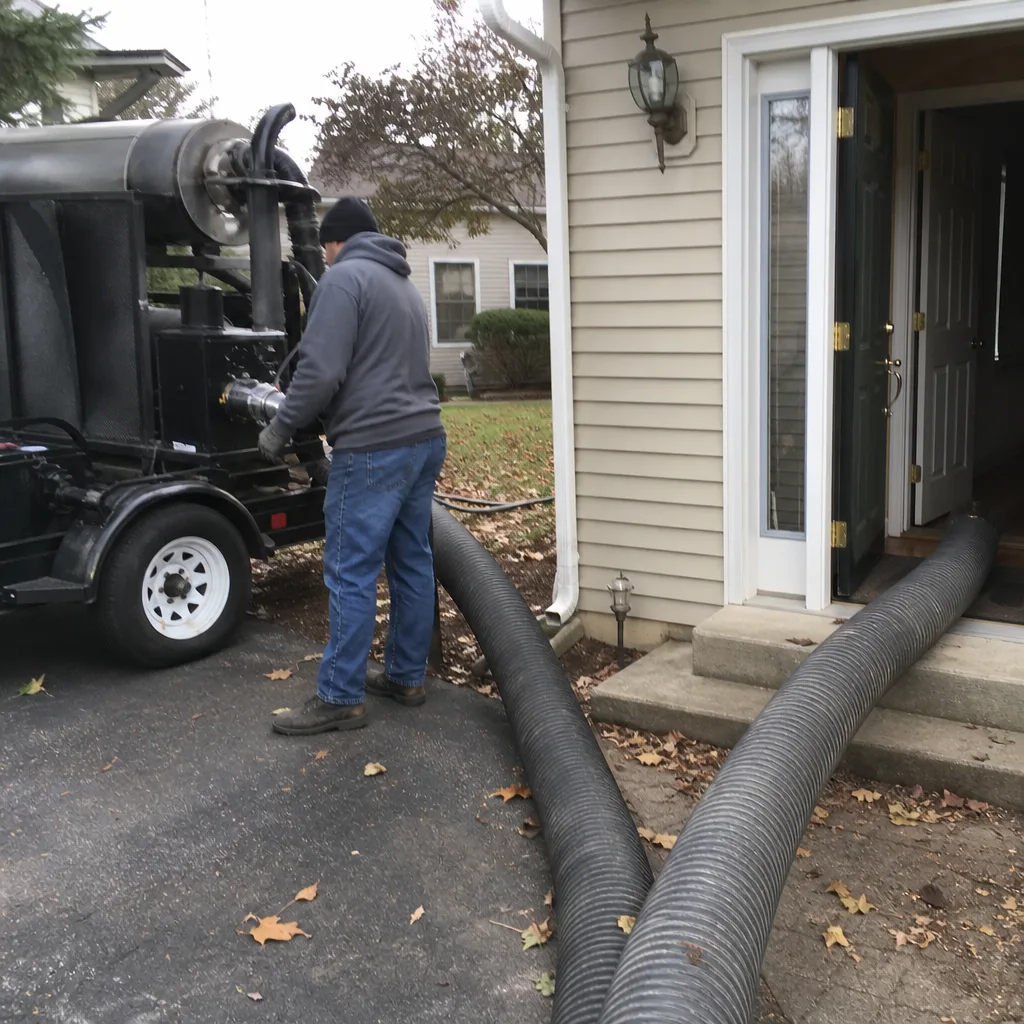
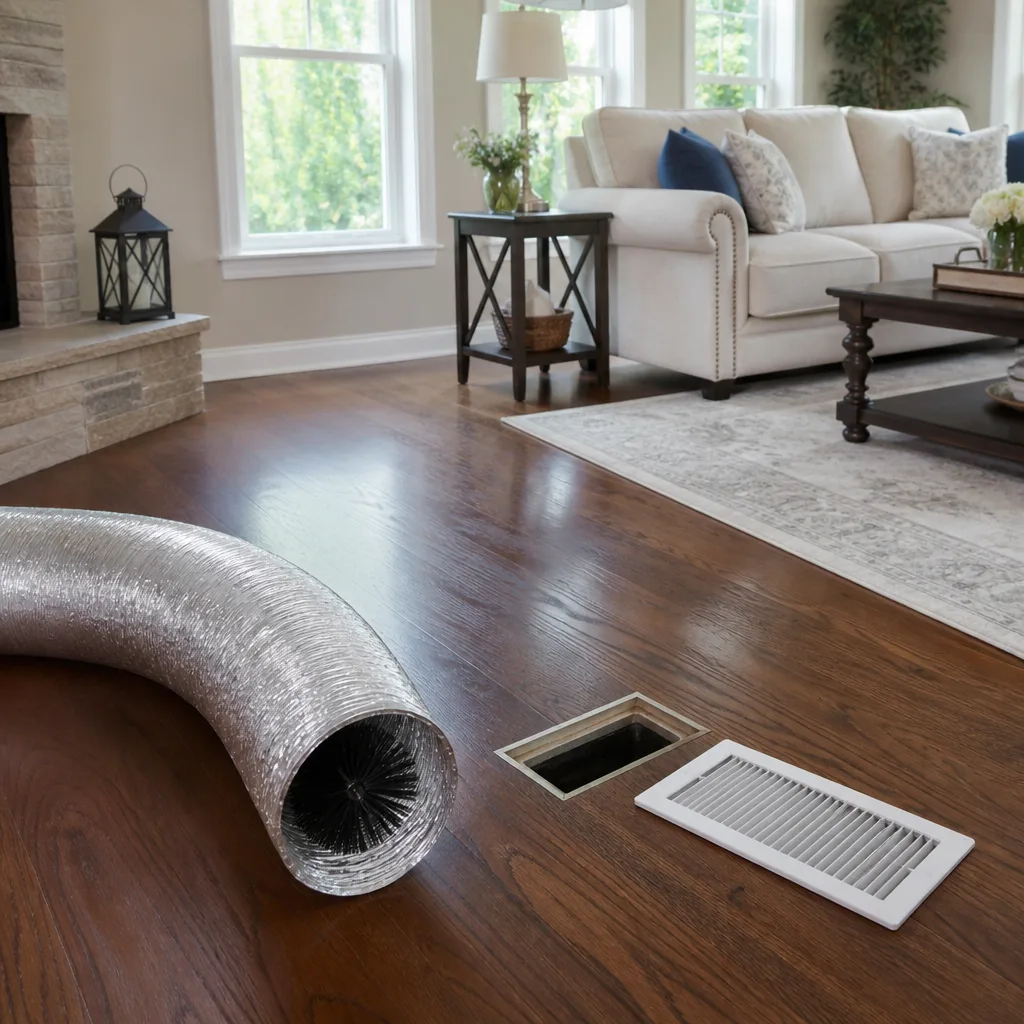 Whole-home duct cleaning
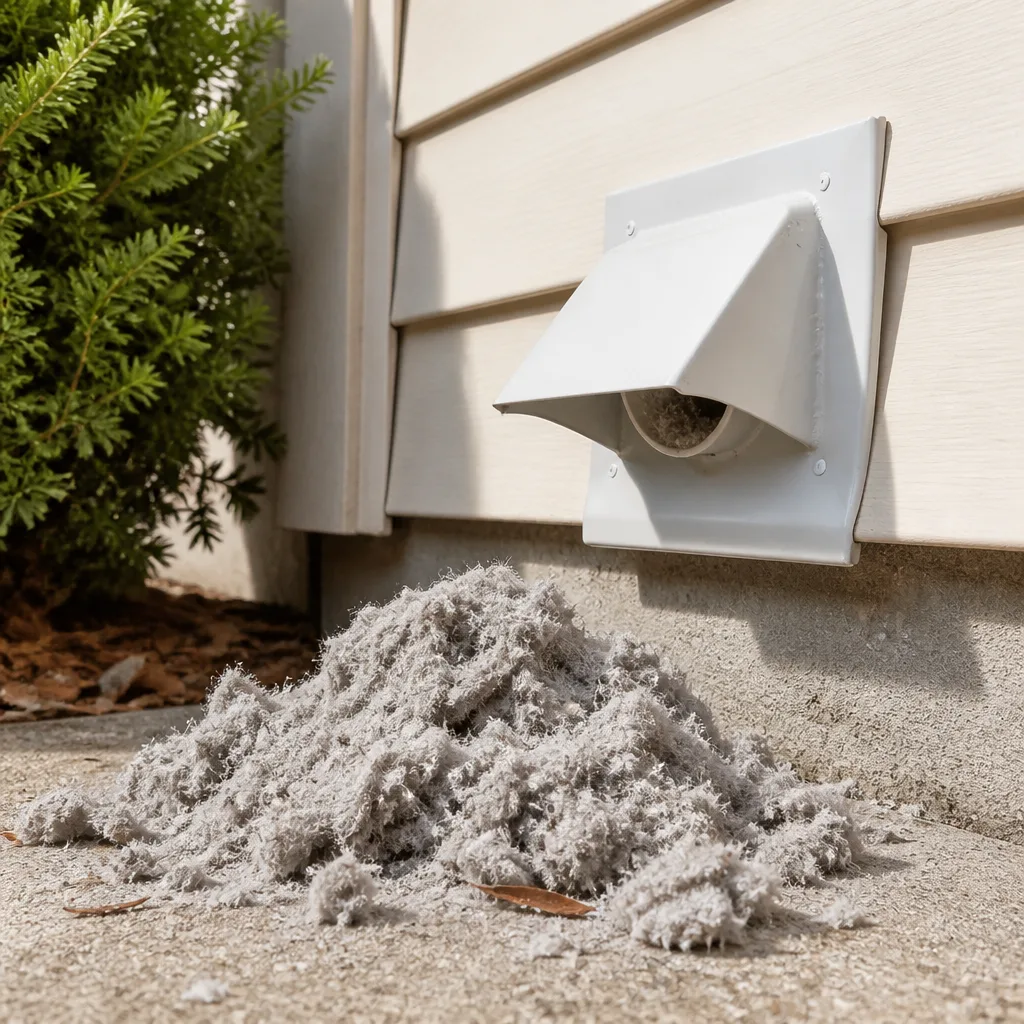 Dryer vent cleaning
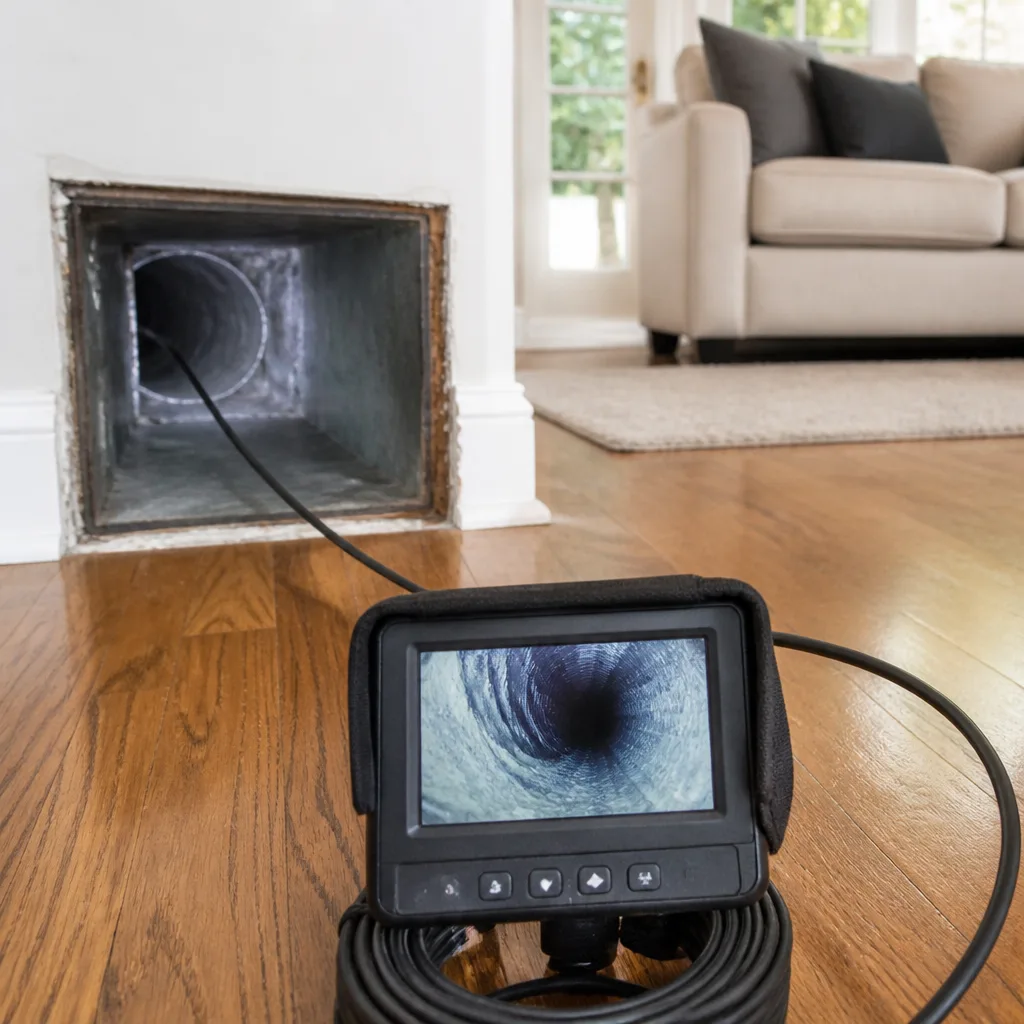 Camera inspection
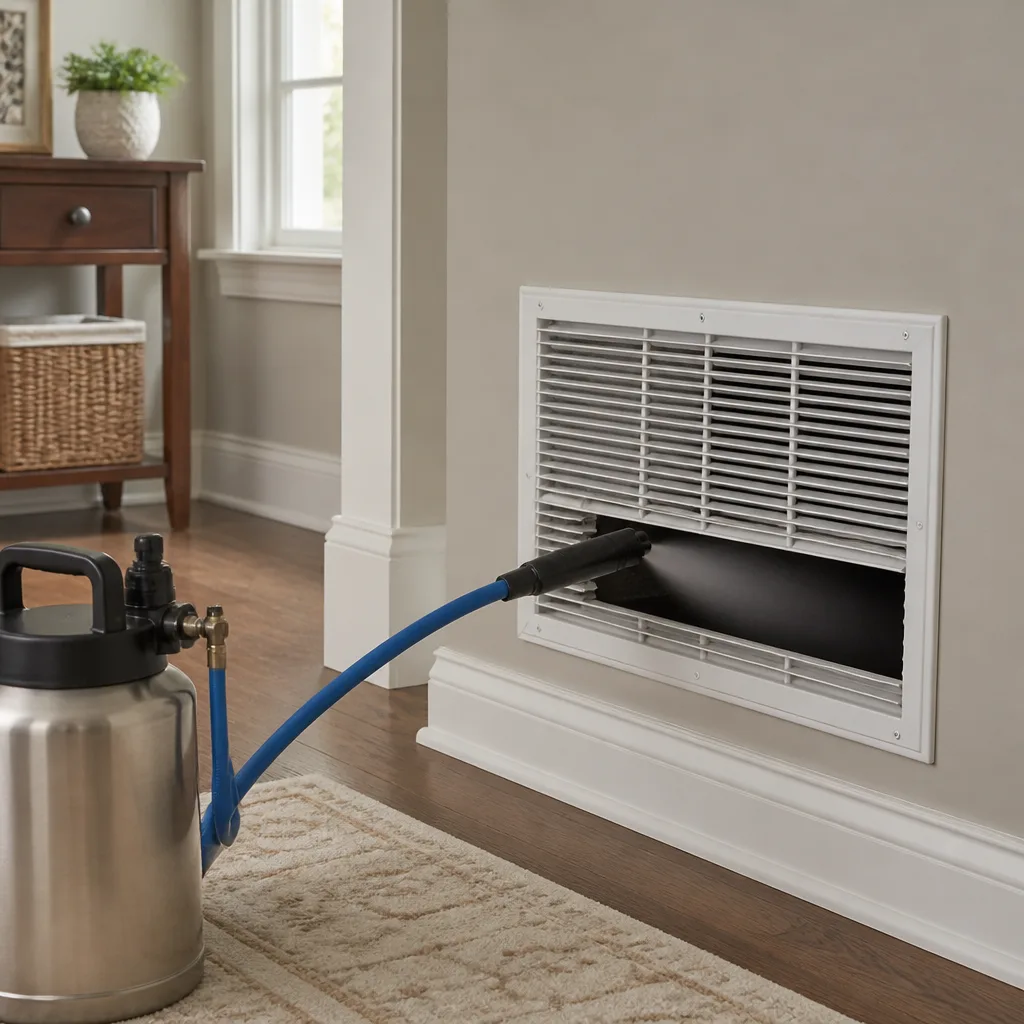 Sanitizing & deodorizing
Whole-system duct and dryer vent check with before-and-after photos - you see exactly what came out of your vents
That "$99 whole-house special" is a bait ad - the real number appears once they are in your hallway, or the "clean" is a shop-vac at the register. We photograph the inside of your ducts before and after instead.
Air Duct Cleaning Maintenance Schedule: What to Do and When
The EPA’s 3-to-5-year cleaning guideline was never meant to be a maintenance schedule. It was written as a minimum threshold, a line below which a duct system shouldn’t fall, and treating that floor as a plan is exactly why so many duct systems in Aurora fail quietly for years before anyone notices. A system that never gets inspected can’t tell you it’s holding moisture from a February freeze-thaw swing, collecting renovation dust from a kitchen remodel, or hiding a disconnected run feeding a bedroom nobody sleeps in. What follows is a schedule built around real conditions in Aurora rather than a national average. By the end, you’ll know what to check at six months, what belongs on an annual list, and what to revisit every three years, plus how to document your system so future cleanings are measured against something instead of guessed.
Quick Answer
Most Aurora homes need a professional air duct inspection every 2 to 3 years and a full cleaning every 3 to 5 years, but that baseline shifts based on your household. Homes with pets, recent renovations, allergy sufferers, or heavy indoor humidity should move to an 18-to-24-month cleaning cycle. Replace filters every 1 to 3 months, check the dryer vent annually, and document your system’s baseline condition so you can spot changes before they become expensive repairs.
Styles & brands we work with
- Whole-home duct cleaning
- Dryer vent cleaning
- Camera inspection
- Sanitizing & deodorizing
Table of Contents
- Why a Generic 3-to-5-Year Schedule Falls Short in Aurora
- How Aurora’s Freeze-Thaw Cycles Affect Your Ductwork
- A Tiered Cleaning Schedule Based on Your Household
- The 6-Month Inspection Cadence: What to Do
- The Annual List: What to Check Every Year
- The 3-Year Professional Cleaning and Inspection
- Filter Timing as Your Leading Indicator
- How to Document Your System’s Baseline Condition
Why a Generic 3-to-5-Year Schedule Falls Short in Aurora
The 3-to-5-year number you see repeated across the industry comes from a broad reading of EPA guidance, and it’s a reasonable starting point. But it was never designed to account for a specific house in a specific climate. Homes along the Fox River corridor east of downtown Aurora sit in a different moisture environment than newer construction out near the Eola Road corridor. A 1950s bungalow on the near west side pulls air through ductwork sized for a much smaller furnace than what’s been retrofitted into it. Age of the house, insulation quality, and how the system was originally balanced all change how quickly dust and moisture accumulate.
The problem with a single national number is that it hides the variables that actually matter. Two homes on the same block can need cleanings two years apart simply because one has two dogs and a woodshop in the basement. The schedule in this guide is built around those real conditions, not averages. It’s also built around the understanding that cleaning is one task and inspection is another. A duct system can look fine from the outside while a supply run has come loose behind drywall or a return chase has pulled in insulation fibers. We don’t just clean ducts – we inspect and repair, which is why our process starts with a look at what’s actually happening inside the system before we ever hook up equipment. If you want the full picture of how air duct cleaning works in a home here, that page walks through the equipment and the process step by step.
How Aurora’s Freeze-Thaw Cycles Affect Your Ductwork
Aurora sits in a climate that swings hard. January can drop to single digits, and a week later you’re looking at 40°F and melting snowpack. That freeze-thaw pattern does something specific to ductwork: it moves moisture in and out of the building envelope in a cycle that repeats dozens of times each winter. Ducts that run through unconditioned attic or crawl space see the biggest swings. When warm interior air meets a cold duct wall, condensation forms. That moisture, combined with the dust already sitting on the interior surface, is what turns a dirty duct into a problem duct.
The other half of the equation is summer humidity. Aurora gets enough muggy July and August weather that indoor relative humidity climbs when the AC is running hard, and duct systems that aren’t well-sealed pull that moist air into places it doesn’t belong. Over years, the combination of winter condensation and summer humidity accelerates any mold risk inside the system. That’s part of why we keep Abatement Technologies filtration capability on hand – some jobs here cross the line from routine cleaning into higher-particulate territory, and the tools need to match the job.
What to Watch Month by Month
- November through March: freeze-thaw season. Watch for condensation or frost on duct runs in attics and crawlspaces. Listen for whistling at vents, which can indicate a leak pulling cold air in.
- April through May: pollen and spring dust. If anyone in the house has seasonal allergies, filter changes move to the front of the list.
- June through August: humidity season. Musty smells from vents, especially in basements, are a signal to look at the system, not just the filter.
- September through October: heating transition. The first month the furnace runs is when any debris that accumulated over summer gets pushed through the system.
If you’ve noticed that any of these seasonal signals are showing up more than once, that’s your cue to move a cleaning forward rather than wait out the calendar.
A Tiered Cleaning Schedule Based on Your Household
This is where a national average stops being useful. The right schedule for your Aurora home depends on what’s living in it, what’s been done to it, and who’s breathing the air. Use the guide below to find the tier that fits and adjust from there.
Tier 1: Single Occupant, No Pets, No Recent Work
If you live alone, don’t have pets, and haven’t renovated, your baseline is a professional inspection every 3 years and a full cleaning every 5 years. That matches the outer edge of the EPA range and is realistic for a lower-traffic household with a well-maintained filter schedule. Keep the filter changes on time and you’ll stay inside this tier.
Tier 2: Family With Pets
Pets change the math more than most people realize. Dander, fur, and tracked-in dust all move into the return air and settle on duct walls. For a household with one or more shedding pets, we recommend a professional inspection every 18 months and a full cleaning every 2 to 3 years. If you have multiple pets or a breed that sheds heavily year-round, that window tightens to 18 to 24 months between cleanings.
Tier 3: Recent Renovation or Construction
Drywall dust, sawdust, insulation fibers, and construction debris get pulled into ductwork during and after a remodel. Even with plastic barriers up, some material gets in. If your Aurora home has had any renovation in the past 12 months – kitchen, bath, basement finish, roof replacement with attic work – a cleaning is warranted once the work is done, then a follow-up inspection at the one-year mark. Post-renovation jobs are one of the clearest cases where professional-grade equipment matters, because consumer tools can’t capture fine particulate at that volume.
Tier 4: Allergy or Respiratory Sensitivity in the Household
For households where someone deals with allergies, asthma, or other respiratory sensitivity, the schedule moves to the front of the line. Inspection every 12 months, cleaning every 2 years, and filter replacement every 1 to 2 months during heavy pollen or heating season. This isn’t about promises – it’s about giving the system the best chance to deliver clean air without adding its own load.
Tier 5: Property Managers and Rental Units
Rental properties drift. Turnover means filters go unchanged, tenants don’t report symptoms, and small issues compound between leases. We recommend an inspection at each long-term tenant change, a full cleaning every 3 years, and a documented baseline at move-in so you’re not paying to fix problems you inherited. Knowing the starting condition protects both sides.
The 6-Month Inspection Cadence: What to Do
Twice a year, ideally at the seasonal transitions in spring and fall, walk your system. This isn’t a cleaning – it’s a look. Fifteen minutes of attention twice a year catches most of what turns into expensive problems later. Here’s what belongs on the list.
- Check every supply and return vent. Look for visible dust buildup, dark streaks around the grille, or debris sitting on the fins. A single dirty vent is normal. Half the vents in the house showing buildup is a signal.
- Smell the air at each room. Musty, dusty, or chemical smells that are stronger at one vent than another tell you something’s going on in that specific run.
- Listen for changes. Whistling, rattling, or a whoosh that’s louder than it used to be. Ductwork that has come loose or been crushed behind drywall often announces itself as sound before it shows up as a comfort problem.
- Look at the filter. Not to change it yet, just to check whether the last change is holding up as expected. If a filter that should last 3 months is dark at 6 weeks, something’s changed in the system or the household.
- Inspect accessible duct runs. If you have a basement or crawlspace, look at exposed ductwork for disconnected seams, torn insulation, or condensation. You’re looking, not touching – leave repair to a technician.
- Check the dryer vent exterior flap. It should open freely when the dryer runs. If it’s stuck, lint is building up behind it.
Write down what you find, even if it’s nothing. That record becomes your baseline. We’ve seen homeowners catch a slow leak in a supply run six months before it would have shown up as a cold bedroom, simply because they had notes from the prior year to compare against.
The Annual List: What to Check Every Year
Once a year, go a step further. The annual check is where you start paying attention to the parts of the system you don’t walk past every day. This is the list that pairs best with a professional visit, but you can do most of it yourself.
- Full filter audit. Even if you’ve been changing filters on schedule, check that the size and MERV rating still match what the system was designed for. A filter that’s too restrictive for the blower can cause more problems than it solves.
- Dryer vent cleaning. This is the annual task most people skip. Lint-clogged dryer vents are a documented fire risk, and the fix is straightforward. If you haven’t had your dryer vent cleaning done in the past year, put it on the list.
- Whole-home air quality equipment. If your home has a Honeywell or Aprilaire system – a humidifier, air cleaner, or ventilation controller – check it against its own manual. These units connect into the ductwork and work best when the ducts themselves are clean.
- Check the return air path. Make sure return grilles aren’t blocked by furniture, rugs, or stored boxes. A blocked return changes pressure in the whole system.
- Look at the blower compartment. A quick visual check for dust buildup around the blower door. You’re not opening it – just looking for dust trails that suggest the system is pulling debris.
- Review your own notes. Compare this year’s observations to last year’s. Any change in pattern is worth a phone call. That’s the whole point of documenting – so change becomes visible.
For homeowners who want the annual visit handled professionally, our technicians have up to 10 years of experience and can do a full inspection including the parts the average homeowner shouldn’t be poking at.
The 3-Year Professional Cleaning and Inspection
Every 3 years, the system needs more than a look. A professional cleaning and inspection at this interval catches what the six-month and annual checks can miss: interior surface condition, seam integrity behind inaccessible ductwork, and the accumulation that doesn’t show up in a room-by-room walkthrough. Here’s what a proper visit should involve.
- Source-removal process. A professional duct cleaning should include negative-pressure containment so debris doesn’t get pushed into the living space. Ask whether the technician is using contact vacuum tools and air whips, not just a shop vac at the vents.
- Professional-grade equipment. Rotobrush and Nikro systems are purpose-built for duct interiors – they agitate surfaces the way consumer tools can’t, then capture the debris. When we perform a duct cleaning in Aurora, we bring equipment built for the job rather than borrowed from a hardware store.
- Full inspection report. You should receive a documented before-and-after record of each run, plus a written summary of any damage found.
- Repair assessment. If a disconnected run, crushed section, or deteriorated seal is discovered, you want a company that can fix it. We offer Aurora Duct Cleaning air duct repair as a core service, so problems get resolved in the same visit rather than sent to a second contractor.
- Surface protection throughout the visit. Floors, furniture, and doorways should be protected with drop cloths and corner guards. Guardsman-associated standards for in-home care are what we hold ourselves to.
Adjusting the 3-Year Interval
That 3-year marker is the default, but it’s not fixed. If you’re in a Tier 2 or Tier 4 household from earlier in this guide, your interval shifts to 18 to 24 months. If a renovation just wrapped up, you’re on a 12-month follow-up. If you’re in Tier 1 and filters are holding up perfectly, a 4-year cycle is reasonable. The point of the schedule is to be a plan, not a rule.
Filter Timing as Your Leading Indicator
Your furnace or air handler filter is the single best early-warning signal a duct system gives you. When filters go dark faster than they should, something upstream has changed. When they last longer than usual, either the household load dropped or airflow is being restricted somewhere. Both are worth a look.
Here’s how to read the signal. Set a reminder for the filter’s rated life – commonly 1 to 3 months for a standard pleated filter – and mark the actual change date each time. After 3 to 4 cycles, a pattern emerges. A filter rated for 90 days that’s consistently dark at 45 days in an Aurora home usually means one of three things: an increase in dust from the household, a leak pulling in attic or crawl space air, or a return that’s pulling from a dirtier part of the house than it used to.
- Filters dark at half their rated life: likely a household change or a leak. Schedule an inspection.
- Filters going longer than rated life without loading up: possible airflow restriction. Worth a professional diagnostic.
- Filters loading up at a steady pace: system is doing its job. Keep the schedule.
- Filters noticeably dirty in a home with a recent renovation: cleaning is likely overdue. Post-construction dust settles into ducts and re-enters the air through the filter load.
Treat your filter log as the leading edge of your maintenance schedule. It’s the closest thing a homeowner has to a check-engine light for the duct system.
How to Document Your System’s Baseline Condition
The best thing you can do for your duct system’s long-term health is establish what it looks like now, in writing and in photographs. Not because it’s dirty, but because every future cleaning will be judged against this baseline. A cleaning without a baseline is a guess. A cleaning with one is a measurable improvement.
Here’s how to build that baseline.
- Photograph every accessible vent. Supply and return, close-up. Include the grille surface and, if you can safely do so, the duct interior as far as you can see without tools. Date the photos.
- Note the layout. A simple hand-drawn diagram of which rooms have supplies, where the returns are, and where the air handler is. This is invaluable if you ever sell the home or hire a new company.
- Record the equipment. Furnace or air handler make and model, filter size and MERV rating, and any whole-home air quality equipment – Honeywell, Aprilaire, or otherwise. The brand names matter because different systems have different service needs.
- Log filter changes. Date, filter size, days since the last change. A simple spreadsheet is fine.
- Note the observations. Smells, sounds, hot or cold rooms, seasonal patterns. Anything you notice at the six-month walkthrough.
- Get a professional baseline. A professional inspection captures the interior condition that photos can’t reach. That report is the definitive starting point and pairs with your photographs.
Years from now, when the next cleaning comes up, the question won’t be “is this dirty.” It’ll be “how much did this change from last time, and what caused the change.” That’s the difference between maintenance and guessing.
When to Move to a More Aggressive Schedule
There’s one more signal that overrides the tiered schedule: any visible mold growth inside the ductwork, persistent musty odors that don’t clear after a filter change, or a system that’s been closed off for a long period of non-use. Those are the cases where we bring Abatement Technologies filtration capability to the job rather than a standard vacuum. If you’re seeing signs like these, don’t wait for the calendar – get an inspection.
Common Mistakes to Avoid
- Treating the 3-to-5-year guideline as a schedule instead of a minimum. It’s a floor, not a plan. A home with pets or recent construction needs a tighter cycle, and waiting the full five years means the system runs degraded for a chunk of that time.
- Replacing filters more often than needed as a substitute for cleaning. A fresh filter can’t undo what’s already on the duct walls. Dust that accumulates inside the system stays there regardless of how often you change the filter.
- Skipping the dryer vent because it’s not part of the heating system. Lint-clogged dryer vents are a real fire risk, and in Aurora’s older housing stock, long or angled exhaust runs make buildup more likely. It belongs on the annual list.
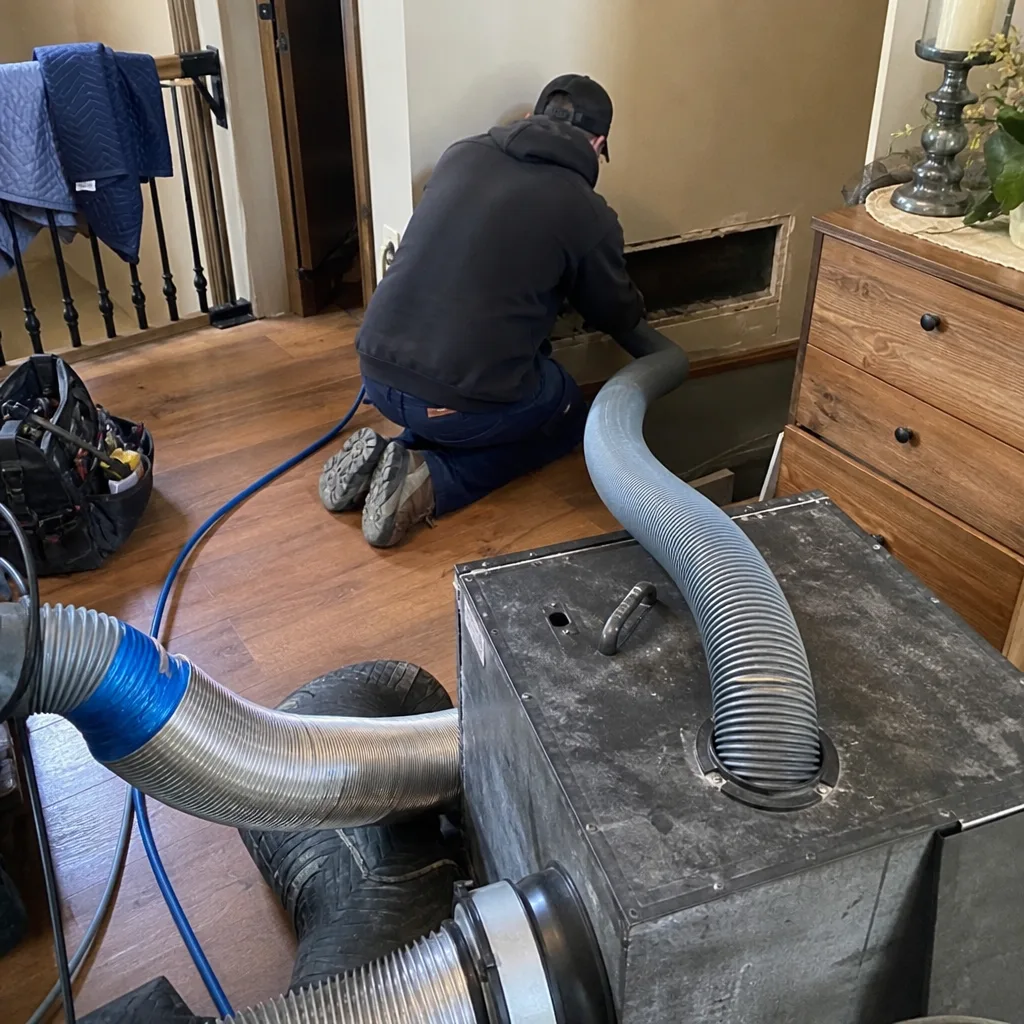
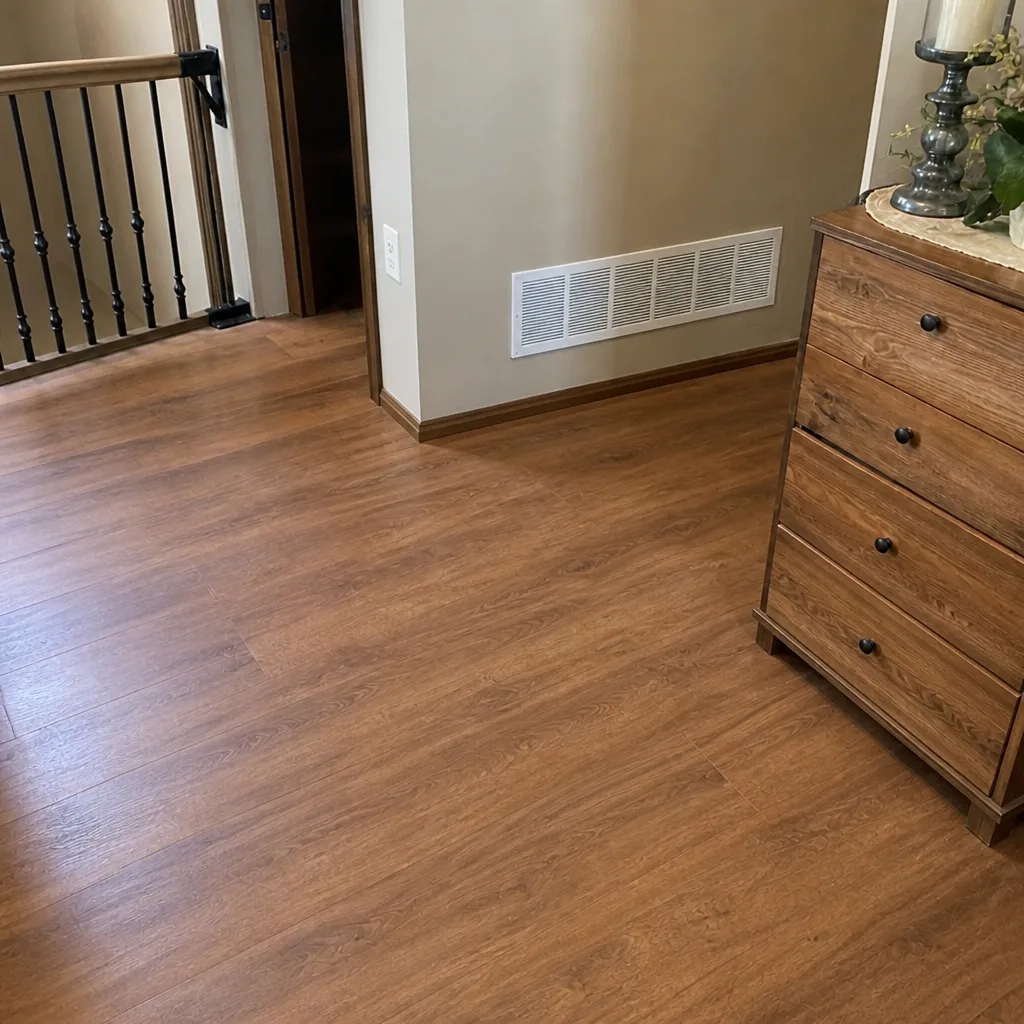
- Trusting a cleaning that doesn’t show you what was done. If a technician won’t show before-and-after photos of your own ductwork, you have no way to know the work happened. Ask before the visit.
- Hiring a cleaning when the real problem is repair. A disconnected run or crushed section won’t be fixed by vacuuming. If the cleaning doesn’t come with an inspection, you may be paying for a clean system that still doesn’t work right.
- Ignoring the seasonal transition checks. The two-week window when the furnace first runs in October is when problems surface. Miss it, and a small issue can ride through the whole heating season.
- Assuming newer construction doesn’t need a schedule. Tight modern homes actually concentrate indoor pollutants differently than older drafty homes. New doesn’t mean maintenance-free.
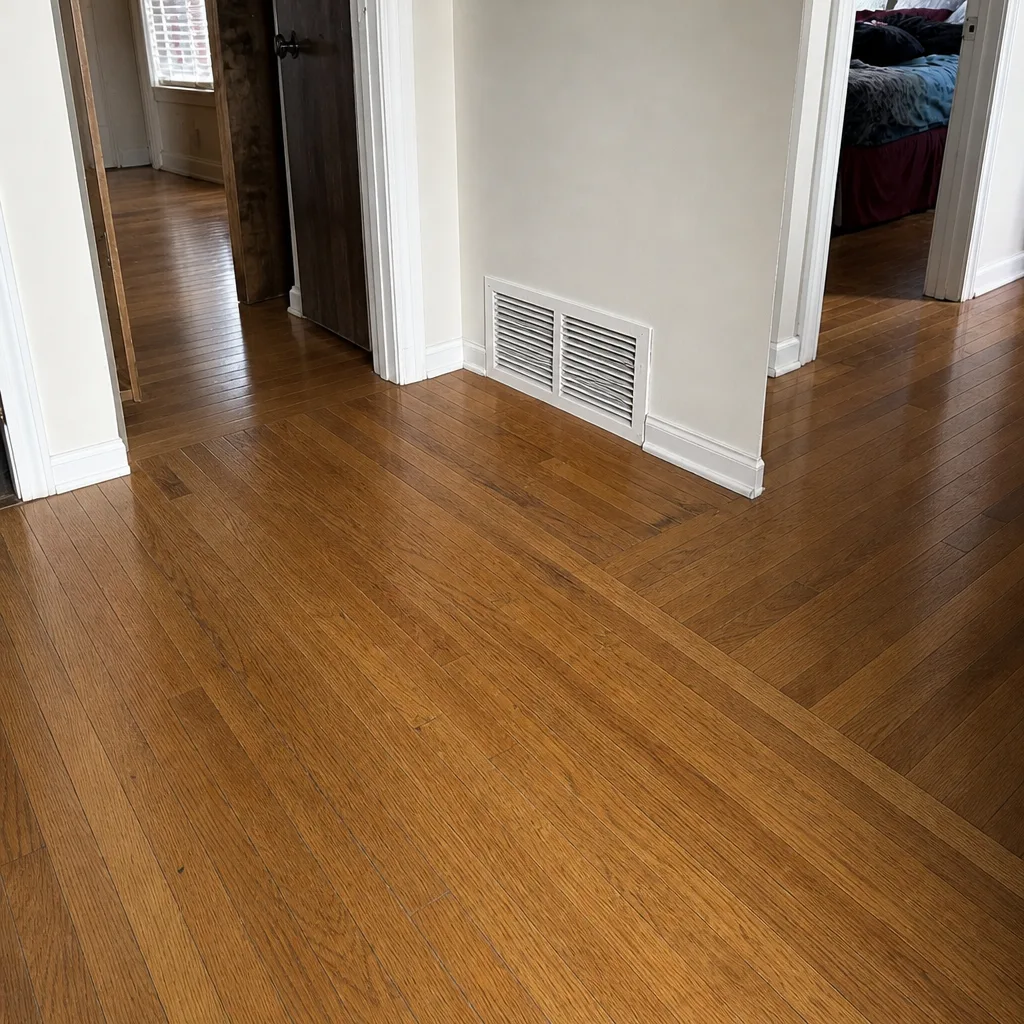
See the difference
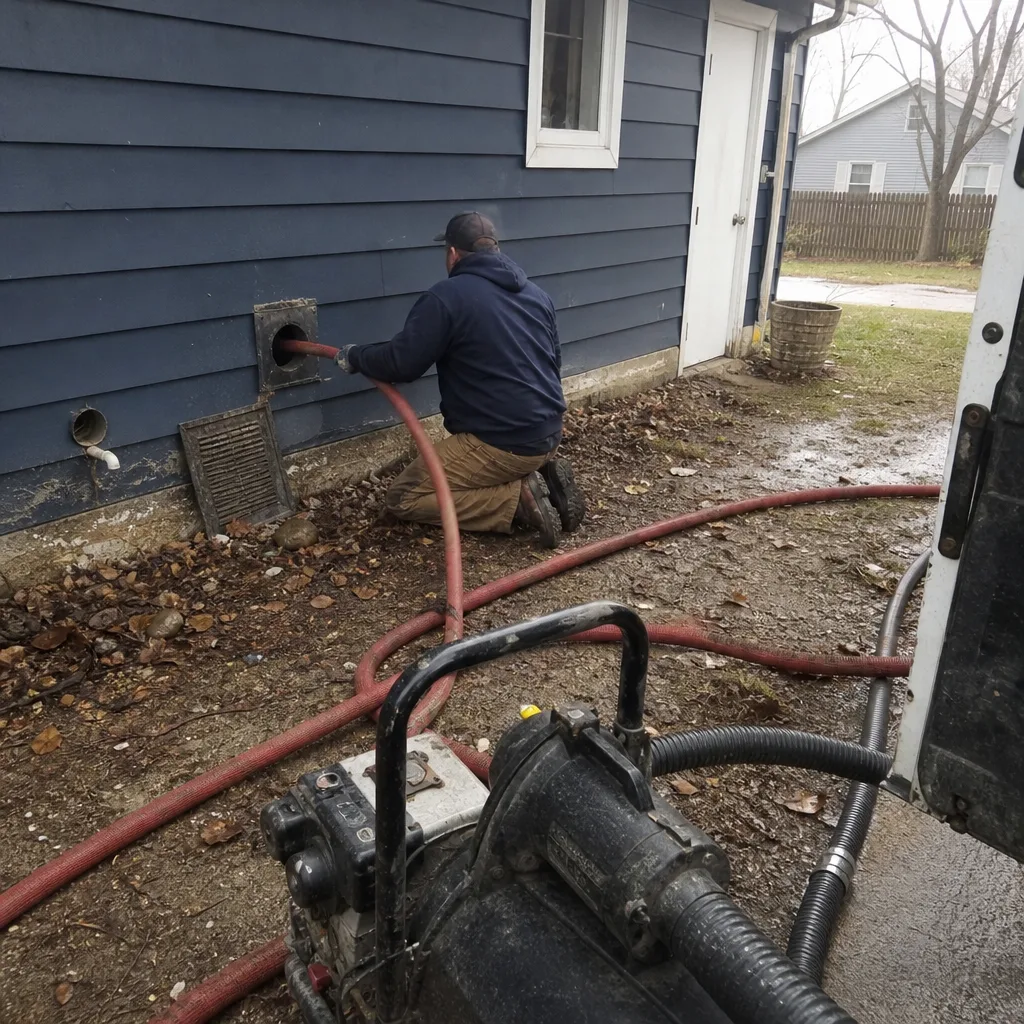 Before
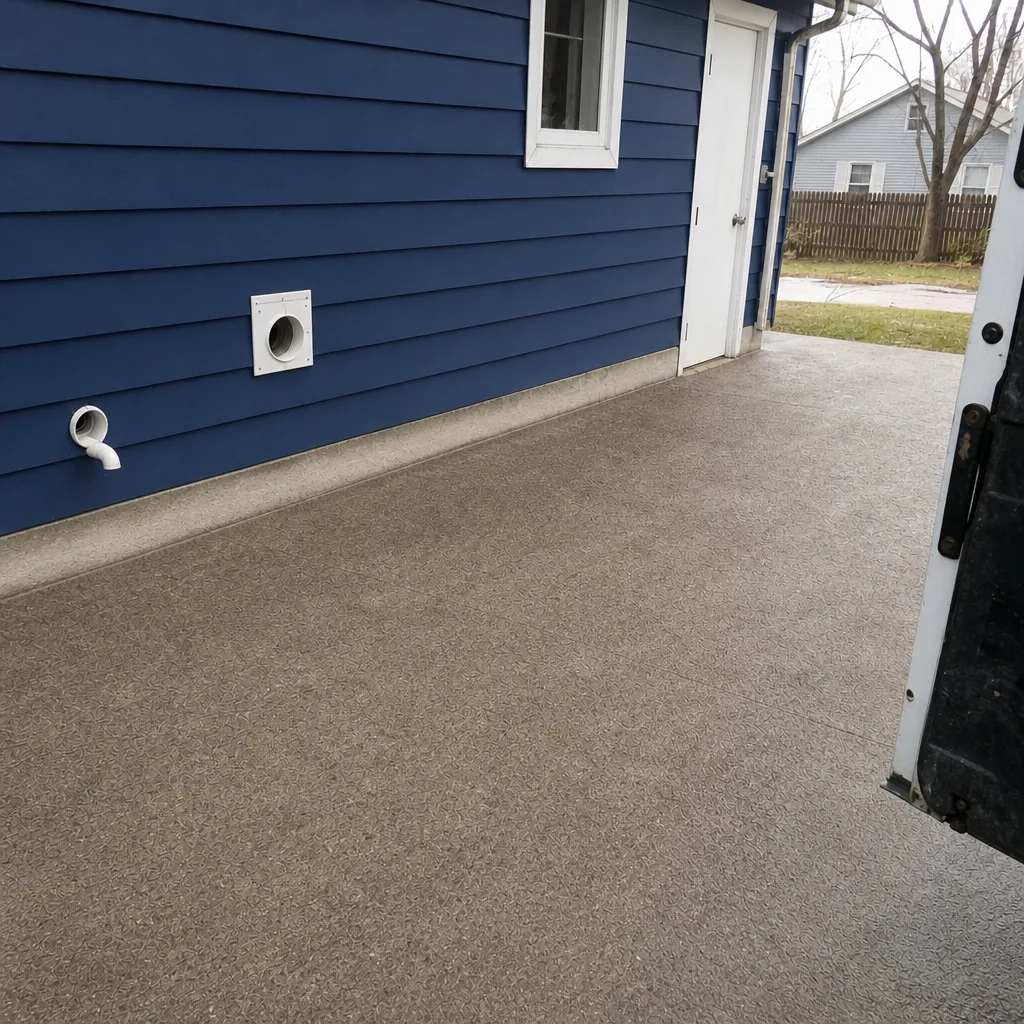 After
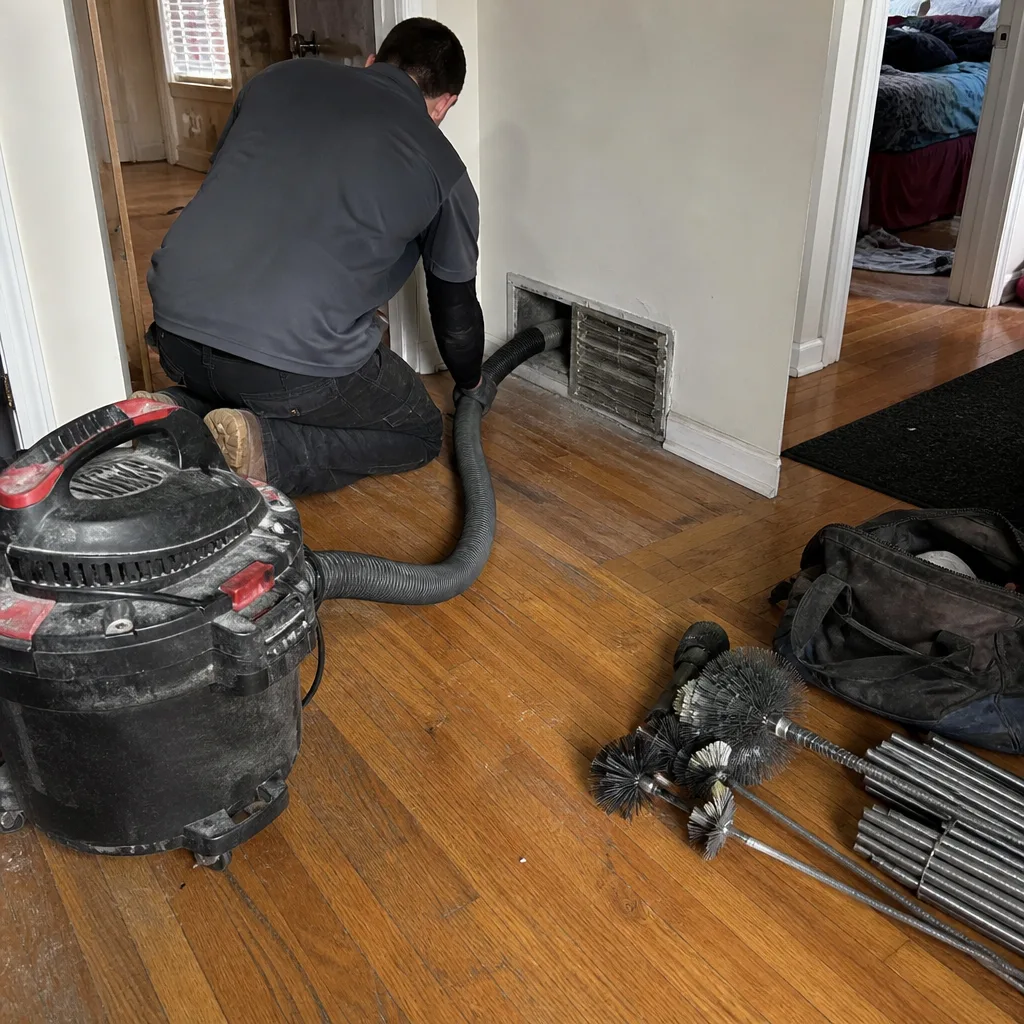 Before
 After
 Before
 After
When to Call a Professional
Some tasks belong in your hands. Filters, vent checks, and filter logging are all homeowner jobs. The line to call a professional is crossed when you’re looking at anything inside the ductwork, anything involving possible repair, or anything the household is feeling but not seeing. Specifically, call if you notice musty odors that don’t clear after a filter change, visible dust streaks around multiple vents, hot and cold rooms that weren’t that way last year, allergy symptoms that get worse indoors than outdoors, a dryer that takes longer than it used to dry a load, or a renovation that just wrapped up. Those are the scenarios where an inspection catches a problem before it compounds.
Aurora Duct Cleaning offers free estimates in Aurora – call (888) 364-6081. We answer 24/7, with fast dispatch from 7am to 7pm, Sunday through Friday. Whether you’re at the 3-year mark or you’re not sure where you stand, a professional baseline is a useful place to start.
Frequently Asked Questions
Most Aurora homes need a professional cleaning every 3 to 5 years and an inspection every 2 to 3 years, but that adjusts based on household conditions. Homes with pets, recent renovations, allergy sufferers, or heavy humidity should move to an 18-to-24-month cleaning cycle. Call (888) 364-6081 for an exact quote – estimates are free.
Yes, because the freeze-thaw cycle accelerates condensation inside ductwork in a way warmer climates don’t experience. When warm interior air meets cold duct walls in an unconditioned attic or crawlspace, moisture forms, and that moisture combined with settled dust is what turns a dirty duct into a problem duct. Aurora’s humid summers add a second moisture load that compounds the effect.
An inspection is a documented look at the interior condition of the ductwork and the equipment connected to it. A cleaning is the full removal of accumulated debris using professional equipment. They’re not the same task, and a proper schedule includes both on separate cycles – inspections more often than cleanings, because inspection is what tells you whether a cleaning is due.
You should get before-and-after photos of your own ductwork, not stock images or someone else’s house. That’s the standard we hold ourselves to, and it’s the standard any legitimate duct cleaning company should meet. If a company can’t document the work, the work is unverified.
Low quotes often use consumer-grade vacuums with the same reach as a shop vac, and they may price by the vent rather than by the whole system, which encourages a rushed pass over the parts you can’t see. A proper cleaning uses professional-grade equipment from brands like Rotobrush and Nikro, includes a documented inspection, and prices the whole system in a written estimate before any work begins. Call (888) 364-6081 to compare – estimates are free.
Yes. Lint-clogged dryer vents are a documented fire risk, and in Aurora’s older homes, longer or angled exhaust runs make buildup more likely. Annual cleaning is the simple, straightforward way to keep that risk from accumulating. If you haven’t had it done in the past year, that’s the task to move to the front of the list.
Those systems connect directly into the ductwork, which means their performance depends on clean ducts upstream. A Honeywell humidifier or Aprilaire air cleaner works best when the ducts feeding it aren’t loaded with debris. If you have one of these systems, mention it when you call so the technician brings the right assessment tools along with the cleaning equipment.
The Bottom Line
A duct maintenance schedule built around real conditions beats a national average every time. Inspection every 2 to 3 years, cleaning every 3 to 5, adjusted up or down based on household type, pets, renovations, and health needs. Six-month walkthroughs in spring and fall. Filter timing as your early-warning signal. A documented baseline so every future cleaning is measured against a real starting point. Dryer vent on the annual list. That’s the whole system, and it’s a plan you can actually keep. Aurora Duct Cleaning built this guide around what we see in Aurora homes because the climate and the housing stock here don’t behave like the averages suggest. When you’re ready to put the schedule to work, call us at (888) 364-6081 for a free estimate.
Written by the team at Aurora Duct Cleaning.