
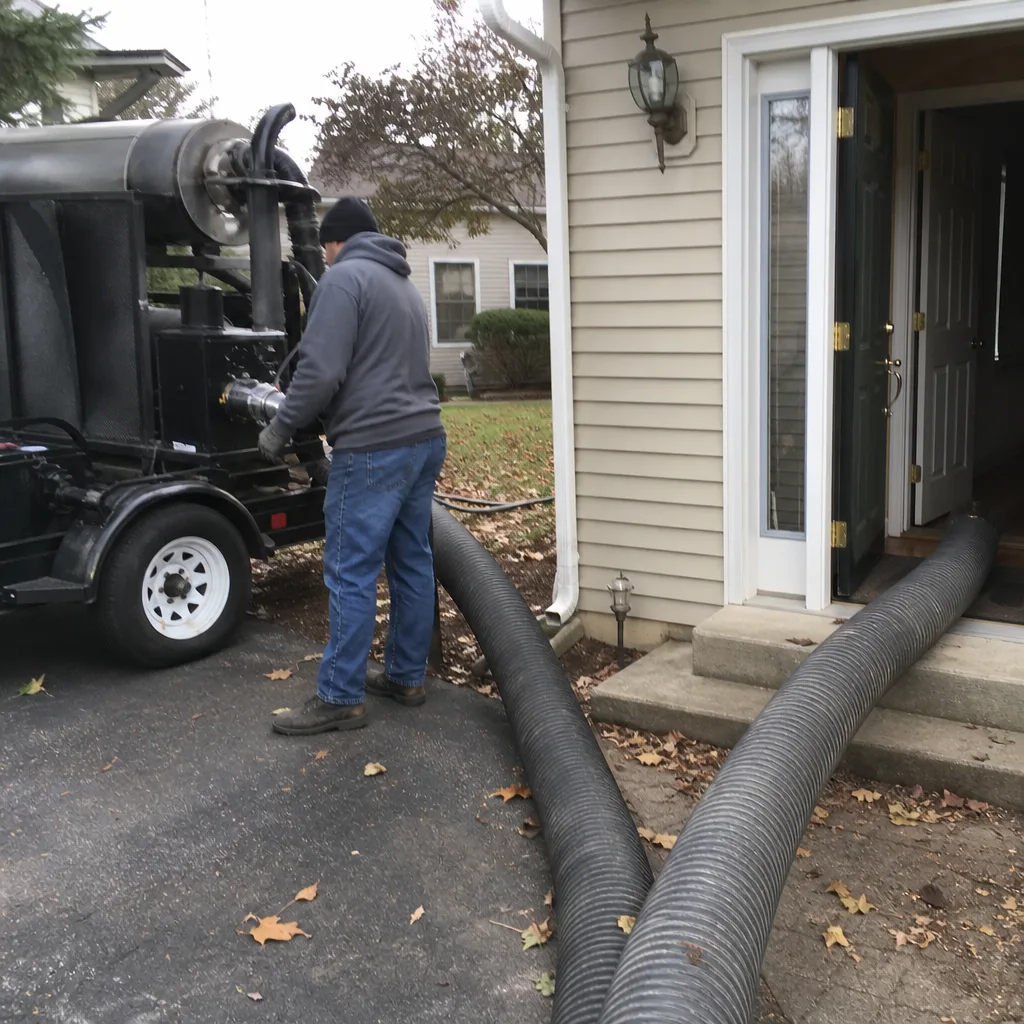
Last updated November 15, 2026
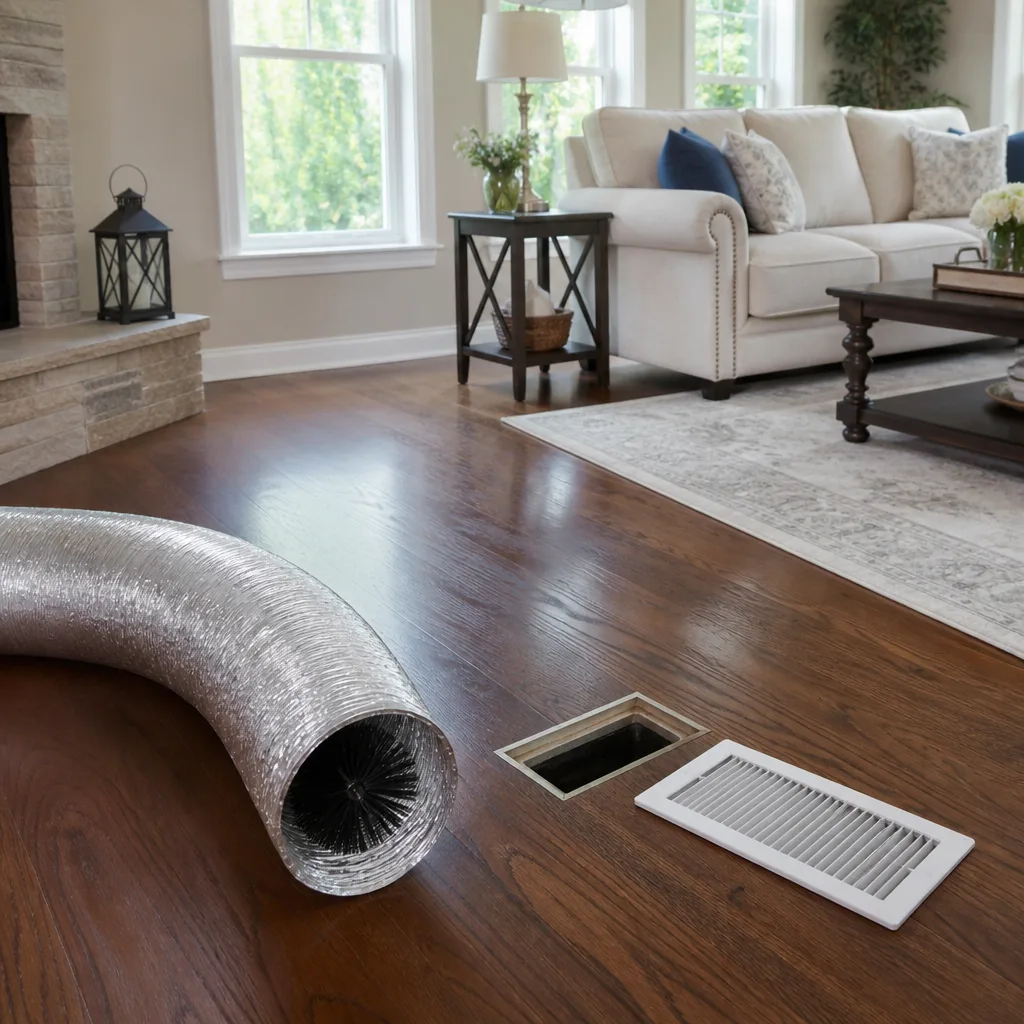 Whole-home duct cleaning
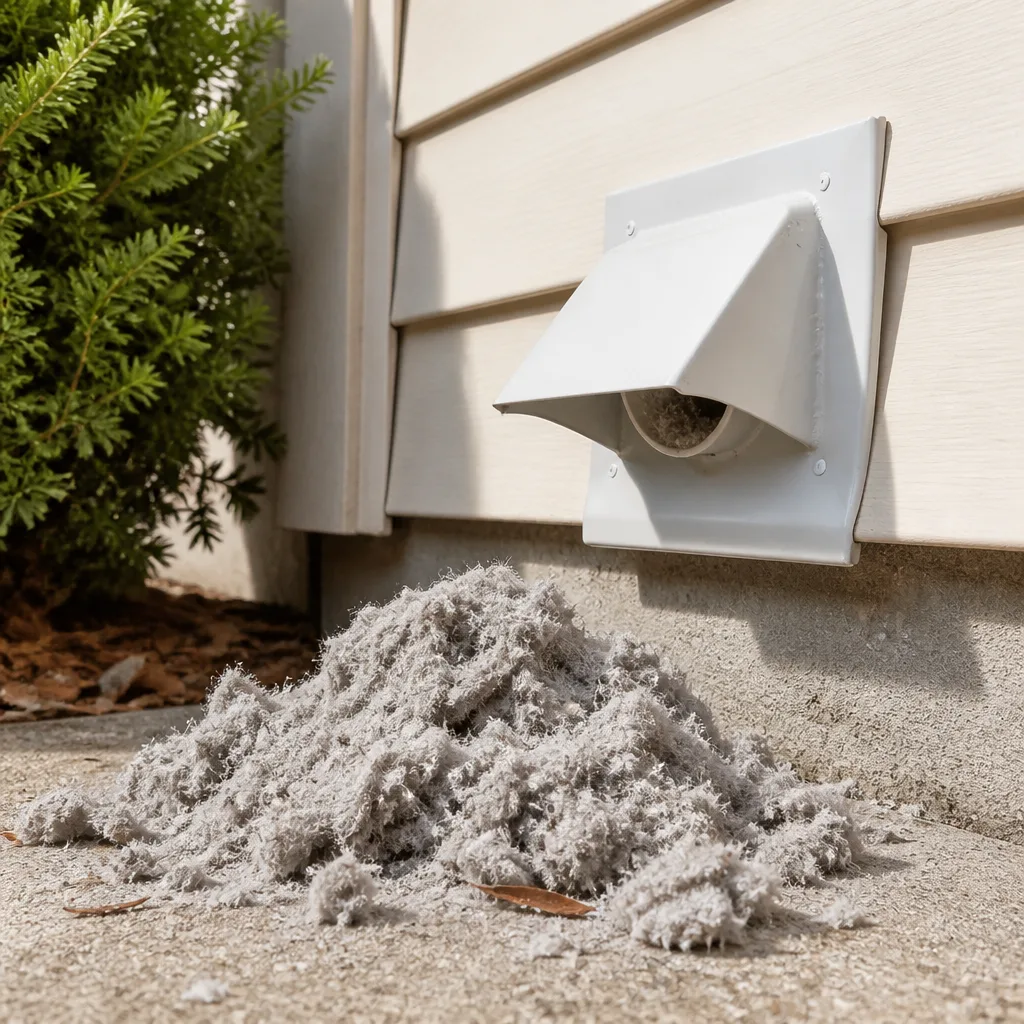 Dryer vent cleaning
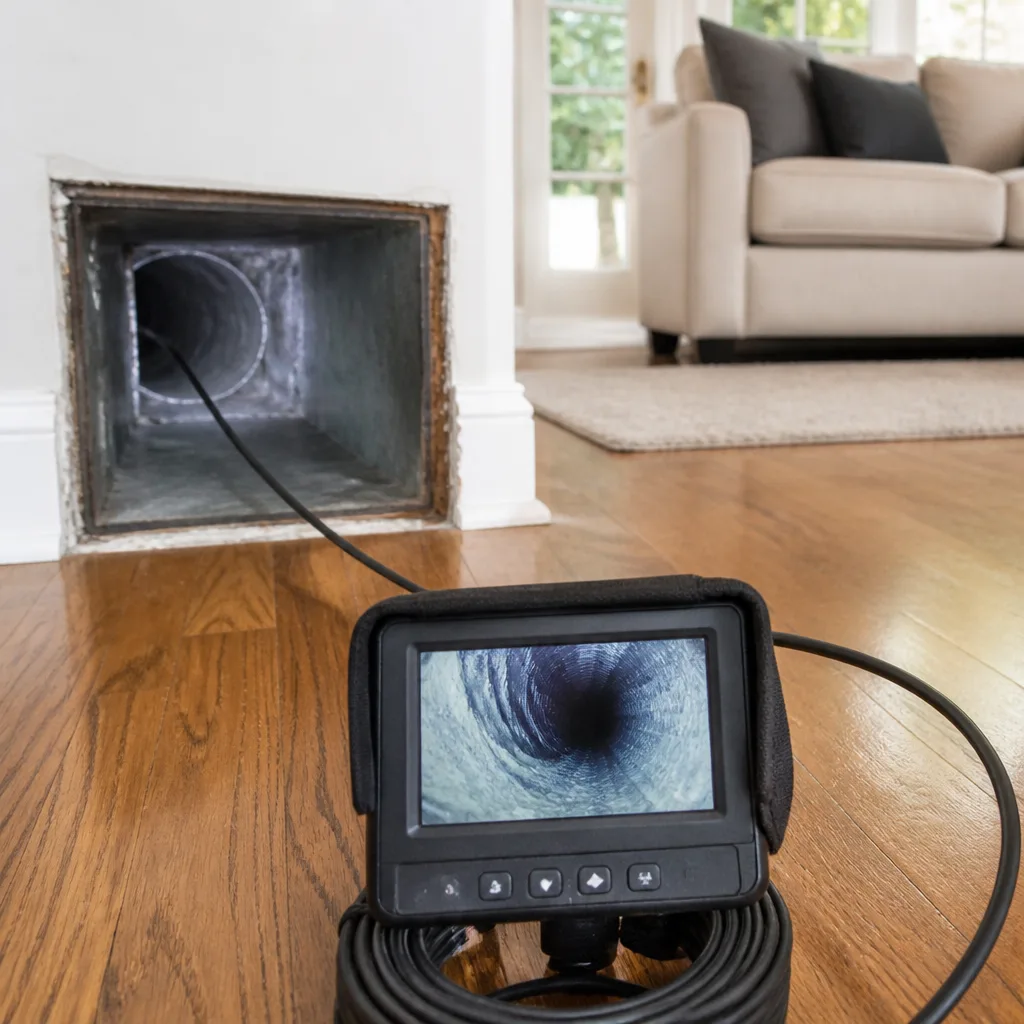 Camera inspection
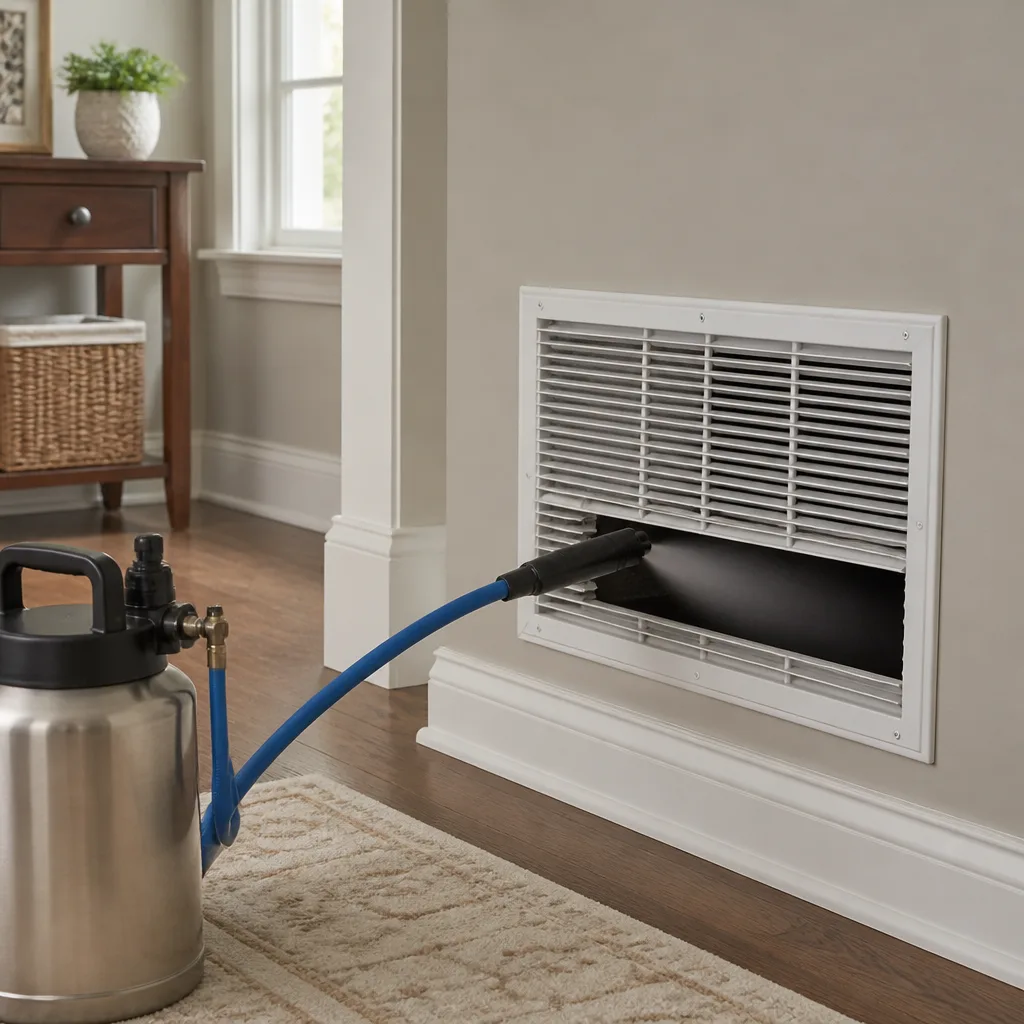 Sanitizing & deodorizing
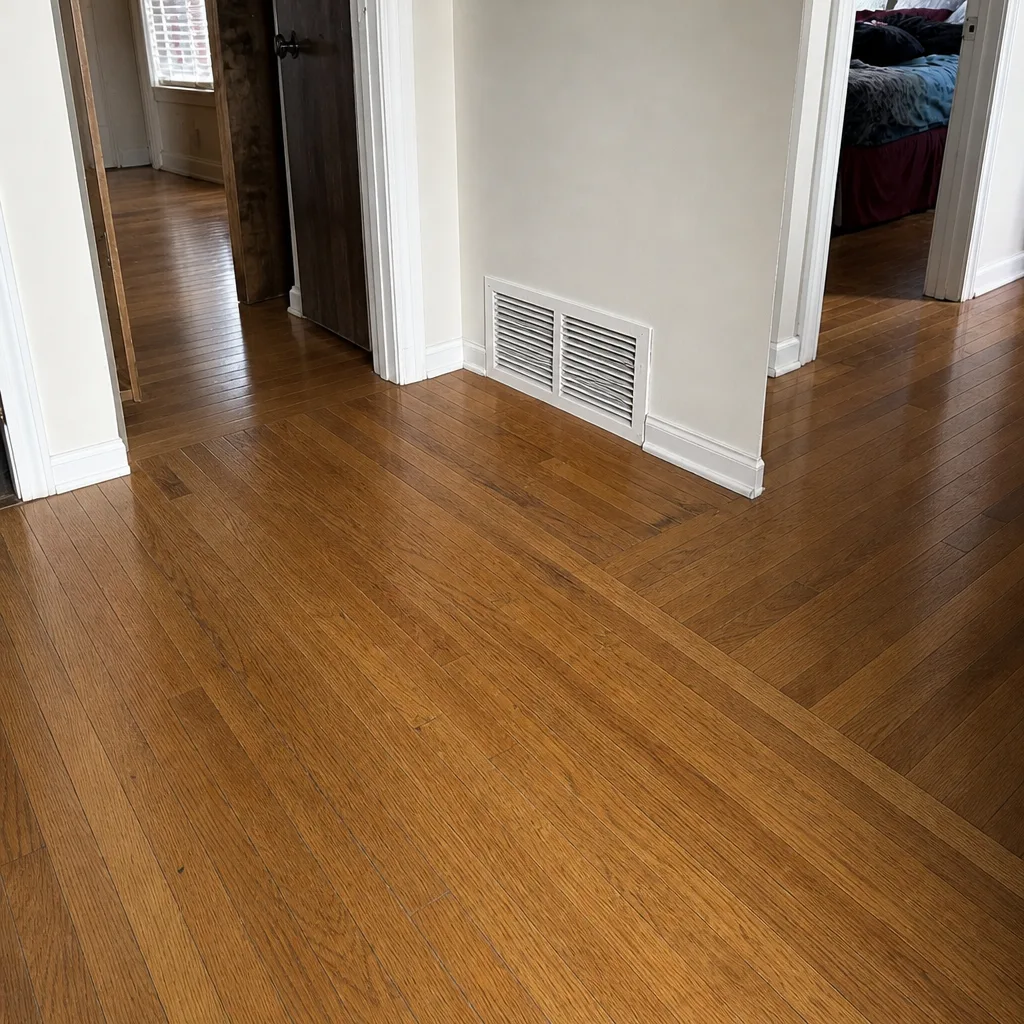
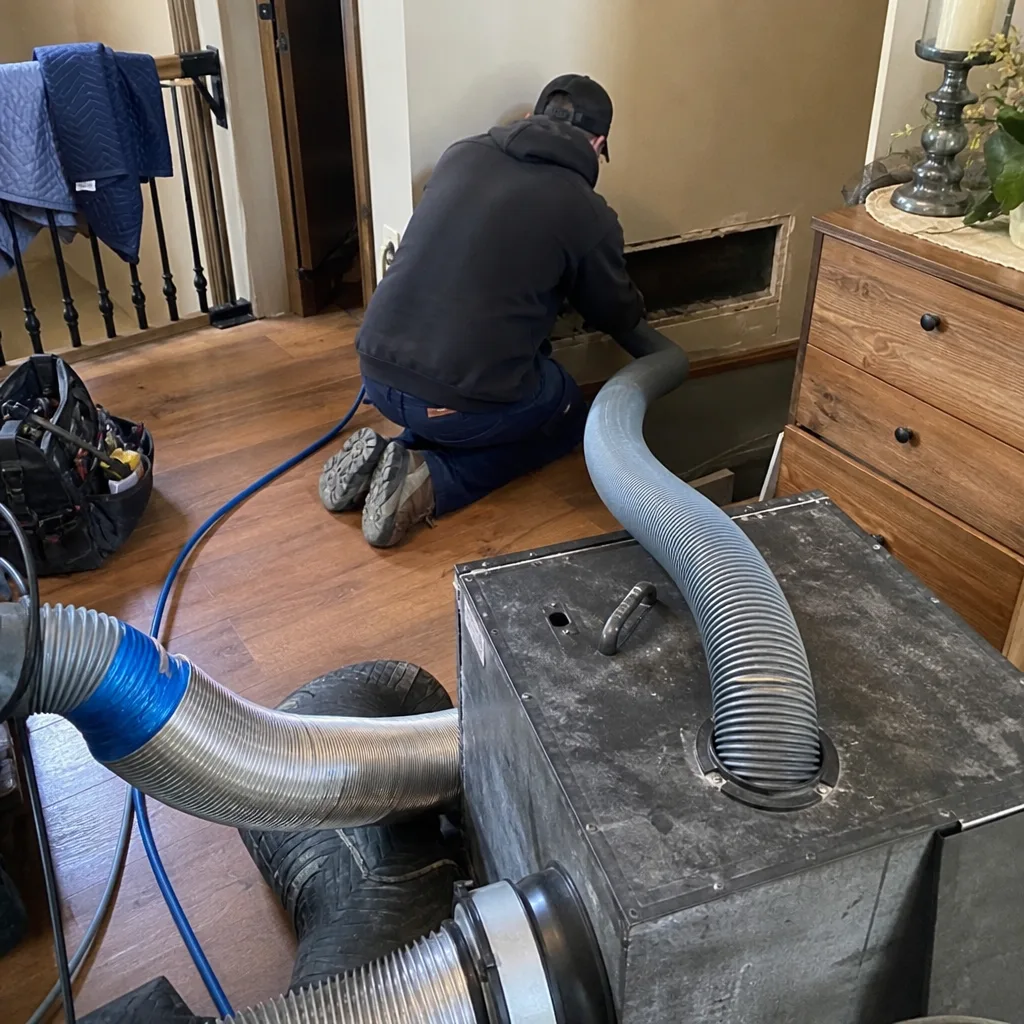
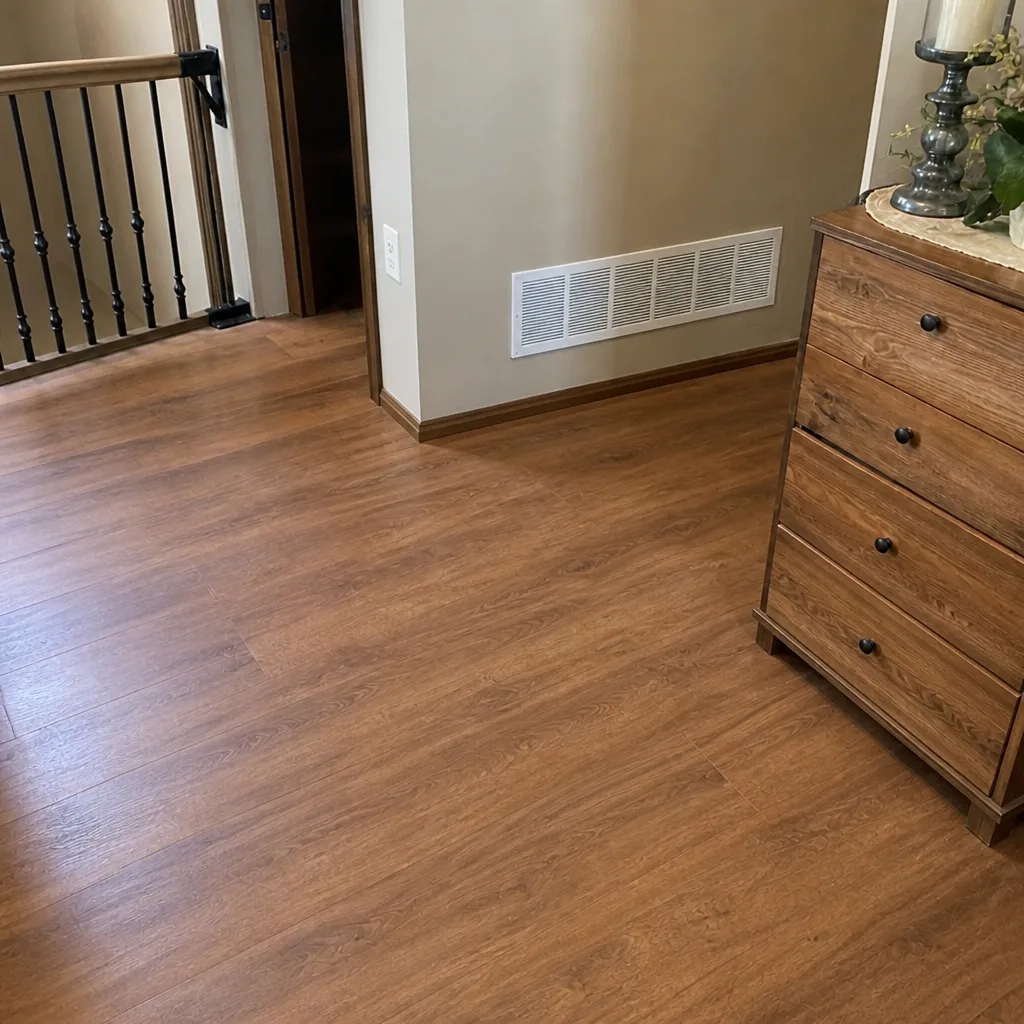
Whole-system duct and dryer vent check with before-and-after photos - you see exactly what came out of your vents
That "$99 whole-house special" is a bait ad - the real number appears once they are in your hallway, or the "clean" is a shop-vac at the register. We photograph the inside of your ducts before and after instead.
Air Duct Cleaning Emergency Preparedness Guide for Aurora Homes
After a basement flood, most Aurora homeowners call a water remediation company and a plumber. Almost none of them call anyone about the HVAC return that was submerged, until the mold smell starts three weeks later. That gap in planning is what this guide closes. Ducts are the first pathway through which fire smoke, flood contamination, and storm debris reach every room in your house, and the decisions you make in the first few hours after an emergency decide whether that contamination stays contained or gets distributed through the whole system. Below you’ll find the three emergency scenarios that demand immediate duct response in Aurora, the correct sequence of actions after each one, what to document for insurance, and how to tell an emergency-qualified contractor from a routine cleaning company.
Quick Answer
In Aurora, any emergency that pushes smoke, water, or debris into a home’s ductwork requires three immediate steps: shut down the HVAC system, photograph and timestamp the damage before anything is moved, and have the duct system inspected before the system runs again. Cleaning alone is not enough after smoke or flood exposure; contaminated duct systems need inspection, targeted remediation, and often repair. Call (888) 364-6081 for a free estimate. We answer 24/7, with fast dispatch from 7am to 7pm, Sunday through Friday.
Styles & brands we work with
- Whole-home duct cleaning
- Dryer vent cleaning
- Camera inspection
- Sanitizing & deodorizing
Table of Contents
- Why Your Ducts Are the First Thing an Emergency Reaches
- The Three Aurora Emergencies That Require Immediate Duct Response
- The Correct Sequence After a Flood Event
- Fire and Smoke: Why Cleaning Alone Isn’t Enough
- Storm Damage and Compromised Attic Duct Runs
- What to Document Immediately for Your Insurance Claim
- How to Identify an Emergency-Qualified Duct Contractor
- When It’s Safe to Turn the System Back On
Why Your Ducts Are the First Thing an Emergency Reaches
A duct system is a network of pathways that connects every room in your home to a central air handler. When something burns, floods, or breaks, that network becomes the delivery route. Smoke doesn’t stay in the room where the fire started. Water doesn’t stay in the basement. Both find their way into return grilles, supply runs, and the air handler itself, and from there the system distributes them throughout the house the moment it runs.
In our experience working air duct cleaning across Aurora, the homes that recover fastest after an emergency are almost never the ones that spent the most money. They’re the ones where the homeowner understood this sequence and acted before the system had a chance to spread the problem.
Here’s what makes duct contamination different from, say, a wet carpet. Carpet dries. A duct system holds moisture, ash, soot, and particulates in places you can’t see or reach. Sheet metal seams, flex duct ridges, and insulation facing all trap residue. Once contamination settles into those surfaces, running the system aerosolizes it and pushes it into every bedroom, kitchen, and living space in the house.
Consider three things your duct system does during an emergency:
- It moves air under pressure. Contaminants that settled on a floor get pulled into returns and pushed out of supplies at every register.
- It stores what it moves. Particulate matter collects on duct walls, in the air handler, and on the blower wheel. It doesn’t pass through cleanly.
- It re-circulates. A typical forced-air system pulls air from the house, conditions it, and returns it. Without intervention, contamination cycles for as long as the system runs.
That’s why the duct system has to be part of any emergency response plan, not an afterthought once the smell arrives.
The Three Aurora Emergencies That Require Immediate Duct Response
Not every household emergency affects ductwork, but in Aurora three specific scenarios almost always do. Recognizing which one you’re in determines what you do next.
1. Basement Flooding with Submerged Returns
Many older Aurora homes have return ductwork running low in the basement, sometimes at or below floor level. When a sump fails, a pipe bursts, or a heavy rain event sends water into the basement, those returns can end up submerged. Water inside a return means the air handler is drawing moisture into the system every time the blower runs.
Submerged returns are the scenario most commonly missed. Homeowners dry the basement, replace the ruined boxes, and never think about the duct run that pulled water into its seams and insulation. Weeks later, the smell shows up.
2. Fire or Smoke Events, Including Adjacent Units
Smoke residue doesn’t need the fire to reach your unit. In attached housing, condo buildings, and closely spaced homes across Aurora, a fire in an adjacent unit can push smoke through shared attic spaces and penetrations that connect to your duct system. If you smell smoke indoors after a fire next door, treat your ductwork as affected.
3. Storm Damage to Attic Duct Runs
Aurora sits in a part of northern Illinois where summer storms and winter ice can put real stress on roofs and attic spaces. When a storm compromises the roof or opens a path for water and debris into the attic, the insulated flex duct runs up there are often the first things affected. Torn insulation, collapsed runs, and waterlogged duct material all change how the system performs, and all require inspection before the system runs.
For a broader look at how duct work ties into the rest of your home’s air quality equipment, see our main Aurora Duct Cleaning overview.
The Correct Sequence After a Flood Event
After a flood that reaches your ductwork, the order of operations matters as much as the actions themselves. Here’s the sequence we recommend to every Aurora homeowner:
- Shut down the HVAC system at the thermostat. Then turn off the breaker that feeds the air handler. Do this before anything else, ideally before you start moving water or debris around.
- Do not run the system to “dry things out.” This is the single most common mistake. Running the blower moves moisture and contamination through every supply run in the house.
- Photograph everything before cleanup. Wet duct runs, submerged returns, water lines on the basement floor, the thermostat setting, and timestamps. We’ll cover documentation in detail below.
- Call your water remediation company and your plumber first. Get the water source stopped and the standing water removed.
- Have the duct system inspected before any air is moved through it. Inspection means looking inside the runs, not just at the visible grilles. Contamination and moisture hide in the seams.
- Clean and repair as needed, then restart. Only after the system has been verified dry and clean should the blower come back on.
Why is restarting too early such a problem? Because a blower distributes contamination in seconds. What took twenty minutes to seep into one basement return can be pushed into bedrooms and living spaces across the whole house in a single cycle. Cleaning after that point is a much larger job than cleaning before it.
One more thing: if your basement flooded and the water reached any part of the duct system, don’t assume a standard cleaning covers it. Post-flood duct work needs inspection for moisture damage and often repair, not just vacuuming. That’s a big part of why air duct cleaning and repair need to be handled by the same professional relationship.
Fire and Smoke: Why Cleaning Alone Isn’t Enough
Smoke leaves residue, and residue doesn’t just sit on surfaces. It deposits in layers inside duct walls, on the blower wheel, and in the air handler. It settles into the porous surfaces of flex duct and duct insulation, where standard cleaning equipment can’t reach it.
What most homeowners don’t realize is that smoke-contaminated ductwork requires a different process than routine cleaning. A standard cleaning pulls loose debris out of the runs. Smoke remediation involves removing the residue layer, dealing with the porous surfaces that hold it, and verifying the system is clean before it runs again.
Here’s what the smoke remediation process typically involves:
- Full inspection of returns and supplies, including runs that don’t show visible soot at the register.
- Use of professional-grade filtration equipment to capture fine particles during the cleaning process. We use Abatement Technologies air filtration capability specifically for high-particulate environments like post-fire and post-renovation jobs.
- Cleaning of the air handler and blower assembly, not just the duct runs. Residue collected there recontaminates the system every time it runs.
- Assessment of porous components like flex duct and insulation facing. In some cases these need replacement rather than cleaning.
- Verification, typically with before-and-after photos, so you can see what was actually removed.
If the fire was in an adjacent unit, treat your own system as affected until proven otherwise. Smoke travels through shared attic spaces and penetration points, and a residual smoke smell inside your home after a fire elsewhere is a signal, not a coincidence.
If your home also has a dryer vent tied into a utility wall shared with a fire-affected area, our dryer vent cleaning service covers that side of the safety picture as well.
Storm Damage and Compromised Attic Duct Runs
Attic duct runs are usually the least protected part of your duct system. In Aurora, where storms can bring wind-driven rain and ice that stresses roof assemblies, attic runs are often the first ductwork to show damage. Insulated flex duct can tear, collapse, or take on water. Sheet metal seams can pull apart at connections. Sometimes the damage is obvious from a sagging run; more often it’s invisible from below.
What to do after a storm that may have compromised attic ductwork:
- Inspect the attic if it’s safe to do so. Look for water staining on insulation, sagging or disconnected duct runs, and debris. Don’t climb around on damaged roof framing.
- Turn off the HVAC system before running it. If a duct run has come apart in the attic, running the system pulls attic air, insulation fibers, and moisture into your living space.
- Photograph what you see. Sagging runs, water stains, and separated connections all matter for the insurance claim.
- Have the runs inspected and repaired. This is where a duct repair capability matters. A company that only cleans can’t fix a torn run; you’d need a second contractor.
We offer air duct repair alongside cleaning specifically because storm damage doesn’t separate cleanly into “cleaning job” and “repair job.” Often it’s both, and having it handled in one relationship saves you from coordinating two contractors and waiting for the second one to see the problem.
What to Document Immediately for Your Insurance Claim
The documentation you capture in the first hour after an emergency is often the difference between a smooth claim and a fight. Insurance adjusters work from evidence. If it wasn’t photographed, it’s harder to establish.
Here’s what to capture before anything is cleaned up or moved:
- Photographs of the damage from multiple angles, including the duct system itself. Grilles, visible runs, and the air handler all matter.
- Water lines, soot patterns, and debris locations. Anything that shows how far the damage reached.
- Timestamps. Use your phone’s timestamp on photos. Note the time you discovered the damage and the time you shut the system down.
- Your HVAC shutdown record. The exact time you turned off the system, and how (thermostat plus breaker). This shows you took reasonable steps to prevent further damage.
- Photos of anything you had to move or discard, including duct material, insulation, or ceiling tiles.
- Notes on who you called and when. Plumber, remediation company, HVAC contractor, and duct professional. Keep the timeline.
- Any contractor reports and before-and-after photos, especially from the duct inspection and cleaning. These support the claim that the contamination was real and the work was necessary.
The HVAC shutdown record matters more than most homeowners realize. Adjusters look for evidence that you acted reasonably. Turning off the system quickly and documenting the time demonstrates that you took the preventive step that limited the damage.
If you’ve been displaced to a hotel or a relative’s home in another part of the Aurora area, keep receipts and note the dates. Those go into the same claim packet.
How to Identify an Emergency-Qualified Duct Contractor
Not every duct cleaning company is equipped for post-emergency work. Routine cleaning and post-disaster remediation involve different equipment, different processes, and different standards. Here’s how to tell them apart before you book anyone.
Look at the equipment. The tools a contractor brings tell you whether they’re equipped for the job. Professional-grade systems like Rotobrush and Nikro are purpose-built for duct work. Consumer vacuum equipment repurposed for duct cleaning can’t handle the particulate loads and contamination levels of a post-fire or post-flood job.
Ask about filtration capability. Post-emergency work requires containing and capturing fine particulates during the cleaning. Contractors equipped with Abatement Technologies filtration systems are set up for high-contamination environments. If a contractor shows up with just a shop vac and a brush, they’re not set up for this.
Confirm repair capability. If the duct system has water damage, torn runs, or disconnected connections, cleaning alone won’t solve the problem. A contractor who can also perform air duct repair saves you from a second call and a second invoice.
Check process rigor. Ask three questions: Will you inspect before cleaning? Will you provide before-and-after photos? Will you give me a written report I can submit to my insurer? If any answer is no, keep looking.
Look for surface protection standards. Emergency work involves moving around in a damaged home, and equipment that protects floors, walls, and surfaces matters. Guardsman-associated surface protection standards are one signal of a contractor who takes that seriously.
Check familiarity with IAQ systems. If your home has a whole-home air quality system from Honeywell or Aprilaire, the contractor should understand how ductwork connects to it. Duct work isn’t done in isolation when that equipment is in play.
For a full picture of what routine service involves when there’s no emergency, our air duct cleaning page covers the process step by step.
When It’s Safe to Turn the System Back On
The short answer: only after the duct system has been inspected, verified clean, and confirmed dry. Restarting before those three conditions are met risks distributing contamination through every room in the house.
Here’s what “safe to restart” actually looks like:
- System inspected. A technician has physically inspected the returns, supplies, and air handler. Not just the grilles.
- Moisture verified. Any duct material that was submerged or wetted has been either cleaned and verified dry, or replaced.
- Contamination removed. Smoke residue, debris, and contamination have been cleaned out and documented.
- Repairs complete. Any torn runs, disconnected connections, or damaged components have been repaired.
- Restart approved. The technician signs off on running the system again.
If your home is in a flood-prone area of Aurora or near a corridor where summer storms tend to hit hard, having this plan written down before anything happens makes the recovery easier. A phone call from the basement at 2am goes better when you already know what to do first.
Common Mistakes to Avoid
- Running the system to “dry things out” after a flood. A blower spreads moisture and contamination into every run in the house. Shut the system off at both the thermostat and the breaker first.
- Assuming a fire next door doesn’t affect your ducts. Smoke travels through shared attic spaces and penetration points. If you smell smoke indoors after a fire in an adjacent unit, treat your own system as affected.
- Skipping the documentation step. Homeowners who clean up before taking photos lose claim support. Adjusters work from evidence, and evidence disappears fast.
- Calling only the water remediation company. Remediation handles the standing water. It doesn’t handle the submerged return that’s been pulling water into its seams. Those are different calls.
- Booking a standard cleaning after a smoke event. Smoke residue requires remediation, not a routine cleaning. A standard cleaning won’t address porous surfaces or the air handler residue.
- Assuming a cleaning contractor can also repair. Torn flex runs, separated connections, and water-damaged components need repair, not cleaning. If the contractor can’t do both, you’ll be making a second call.
- Restarting the system before the inspection. The restart is the last step, not the first. Every run needs to have been verified clean and dry before the blower comes on.
See the difference
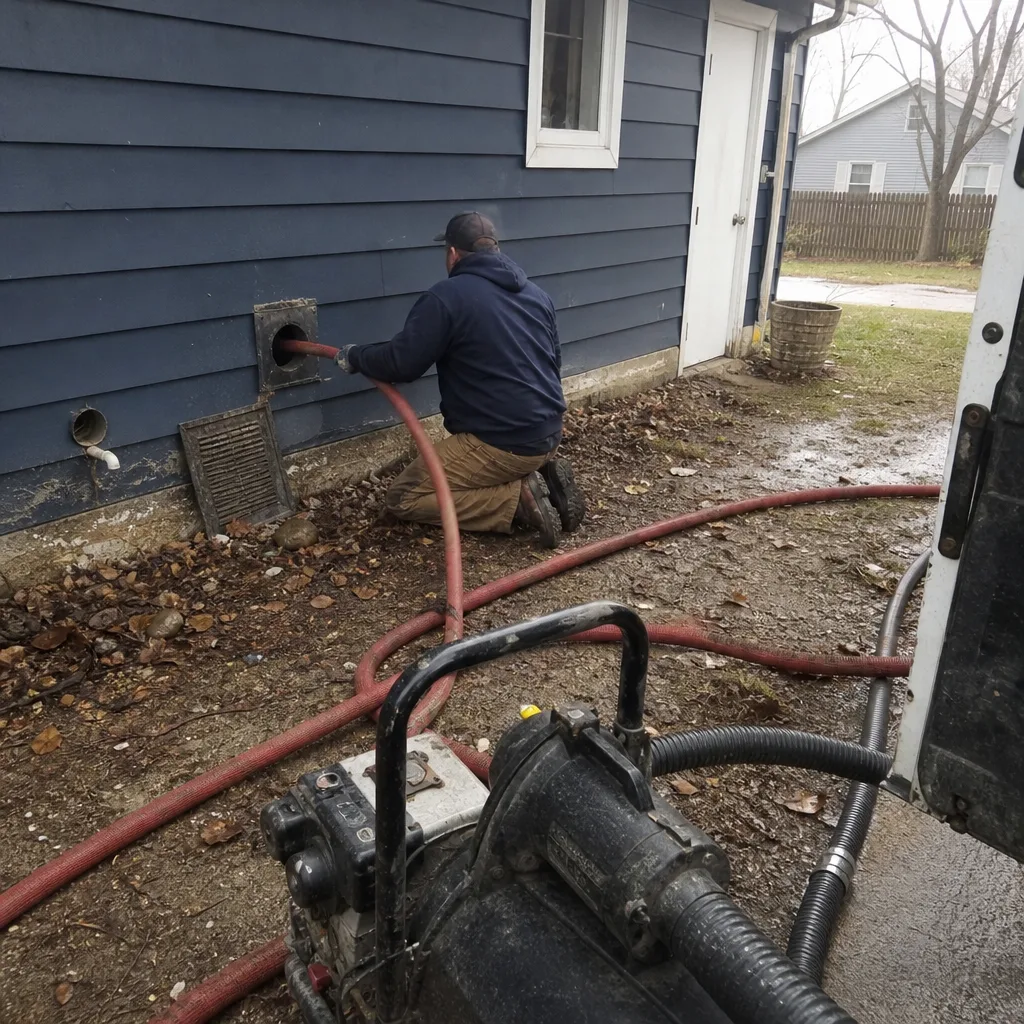 Before
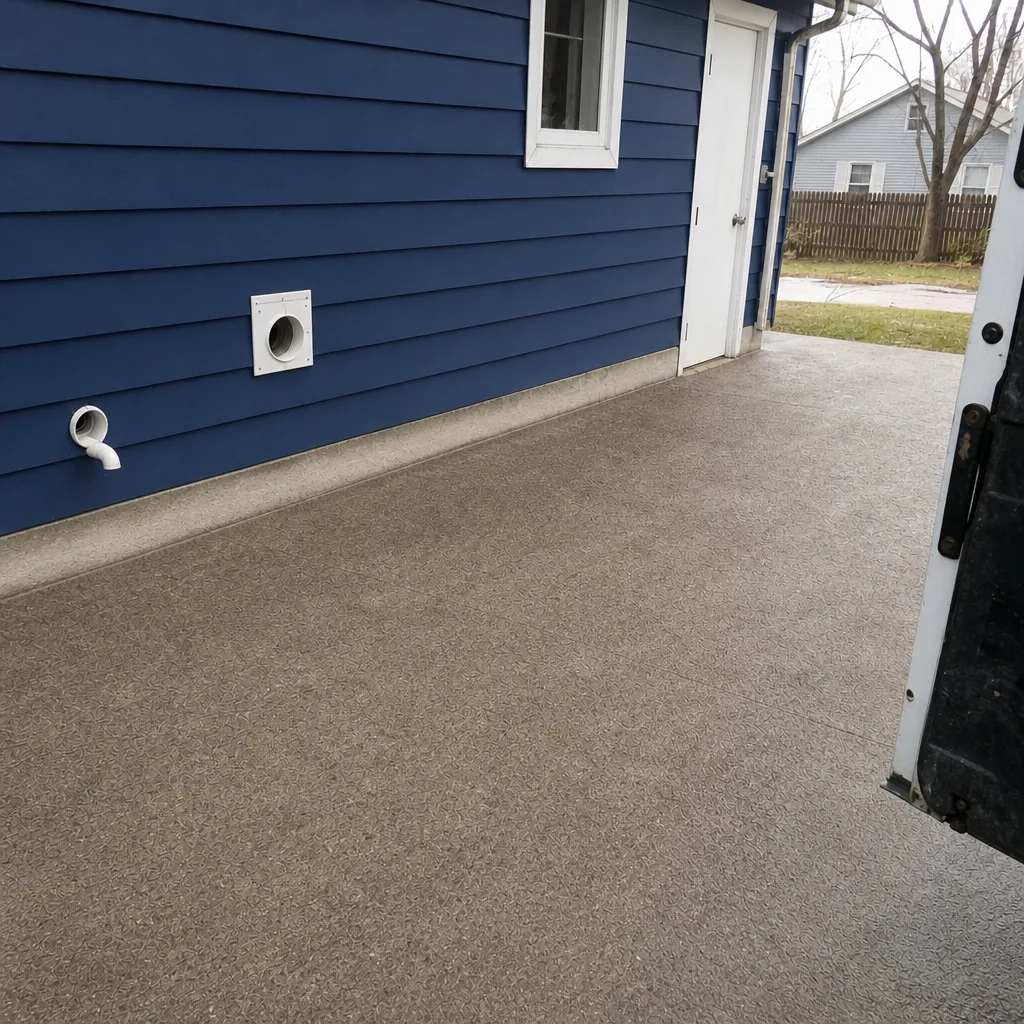 After
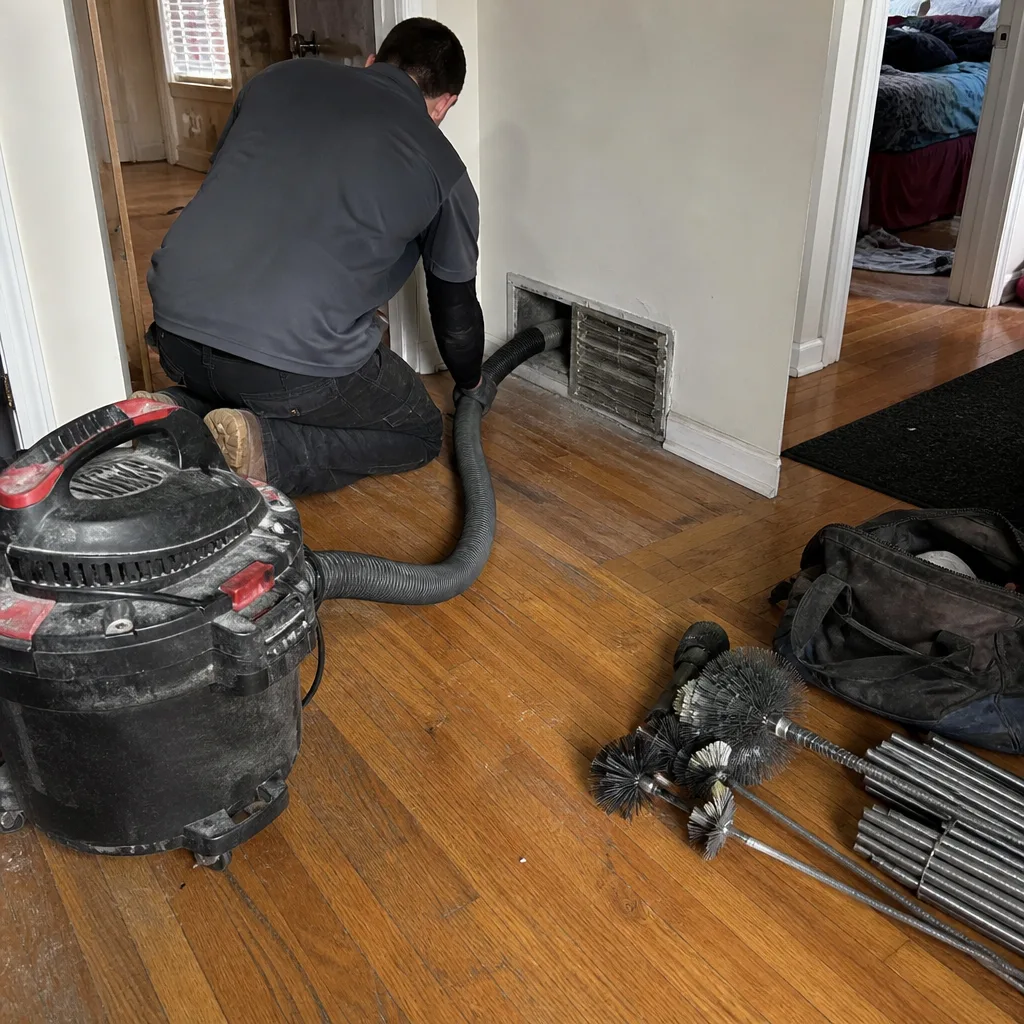 Before
 After
 Before
 After
When to Call a Professional
Call a professional in any of these scenarios: your basement flooded and the water reached any part of the duct system; a fire in your home or an adjacent unit left smoke residue or odor indoors; storm damage compromised attic duct runs; you’ve noticed sagging flex duct, disconnected connections, or visible moisture in the ductwork; or you simply can’t tell whether the system was affected and want an inspection before running it again.
If any of those apply, don’t guess. An inspection is quick and the downside of running a contaminated system is a much larger cleaning and repair job. Aurora Duct Cleaning offers free estimates in Aurora, call (888) 364-6081. We answer 24/7, with fast dispatch from 7am to 7pm, Sunday through Friday. Our technicians have up to 10 years of experience, and the price is set per job by a written estimate before any work begins.
Frequently Asked Questions
Not automatically, but you should still have the system inspected. Water that didn’t reach duct material directly can still have been pulled into returns as moisture in the air during the event, especially if the blower was running. An inspection confirms whether the system is wet or clean, and it’s a lot cheaper than addressing contamination after the fact.
Sooner is better, but a few days won’t make the problem irrecoverable. The bigger risk is running the system in the meantime. Every cycle distributes residue further into the system and into living spaces. Keep the HVAC off, document what you can, and get it on the schedule with a professional equipped for smoke remediation.
That depends on your policy and the cause of the damage, so read your policy and call your adjuster early. Most claims go smoother with documentation in hand: photos, timestamps, and the HVAC shutdown record. We provide before-and-after photos and written reports that you can submit with your claim.
Usually because they aren’t actually doing emergency-level work. A low quote often reflects a standard cleaning being applied to a remediation problem, with consumer-grade equipment and no filtration. What that misses is the porous surfaces, the air handler, and the verification step. Ask what equipment will be used and what the process includes before you compare prices. Call (888) 364-6081 for an exact quote on Aurora-area work. Estimates are free.
Ask for before-and-after photos of your own ducts, not stock images, and a written summary of what was removed and what was repaired. A contractor equipped for emergency work should be able to show you the evidence without being asked. We provide before-and-after photos on every job, and one flat price per system is agreed before work starts, so the invoice matches the estimate.
Routine servicing depends on the home, the system, and conditions like pets, recent renovations, and the age of the ductwork. For most Aurora homes, having the system inspected periodically, and cleaned when inspection shows buildup or damage, is a more honest standard than a fixed yearly schedule. If you have a whole-home IAQ system from Honeywell or Aprilaire, the duct work and that equipment should be looked at together.
The Bottom Line
Emergencies that reach your ducts require a specific sequence: shut the system off, document the damage, inspect before running anything, and remediate what the inspection finds. Cleaning alone isn’t enough after smoke or flood exposure, and repair is often part of the job. Having an emergency-qualified contractor in your plan before anything happens is the difference between a contained problem and one that ends up in every room. If you’re in Aurora and want to talk through what your home needs, call (888) 364-6081 for a free estimate. We answer 24/7, with fast dispatch from 7am to 7pm, Sunday through Friday.
Written by the team at Aurora Duct Cleaning.